The Russian Embassy: Inside the William Westerfeld House
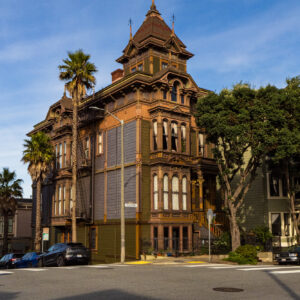
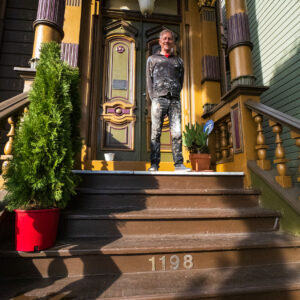
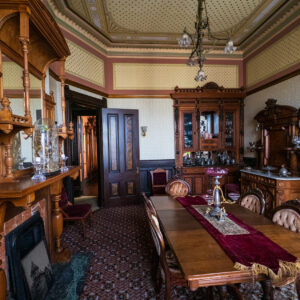
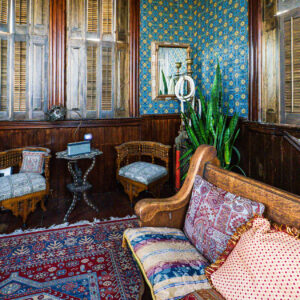
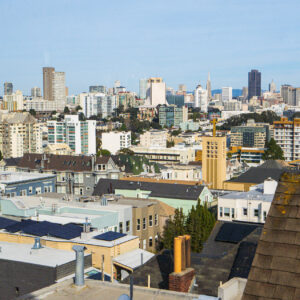
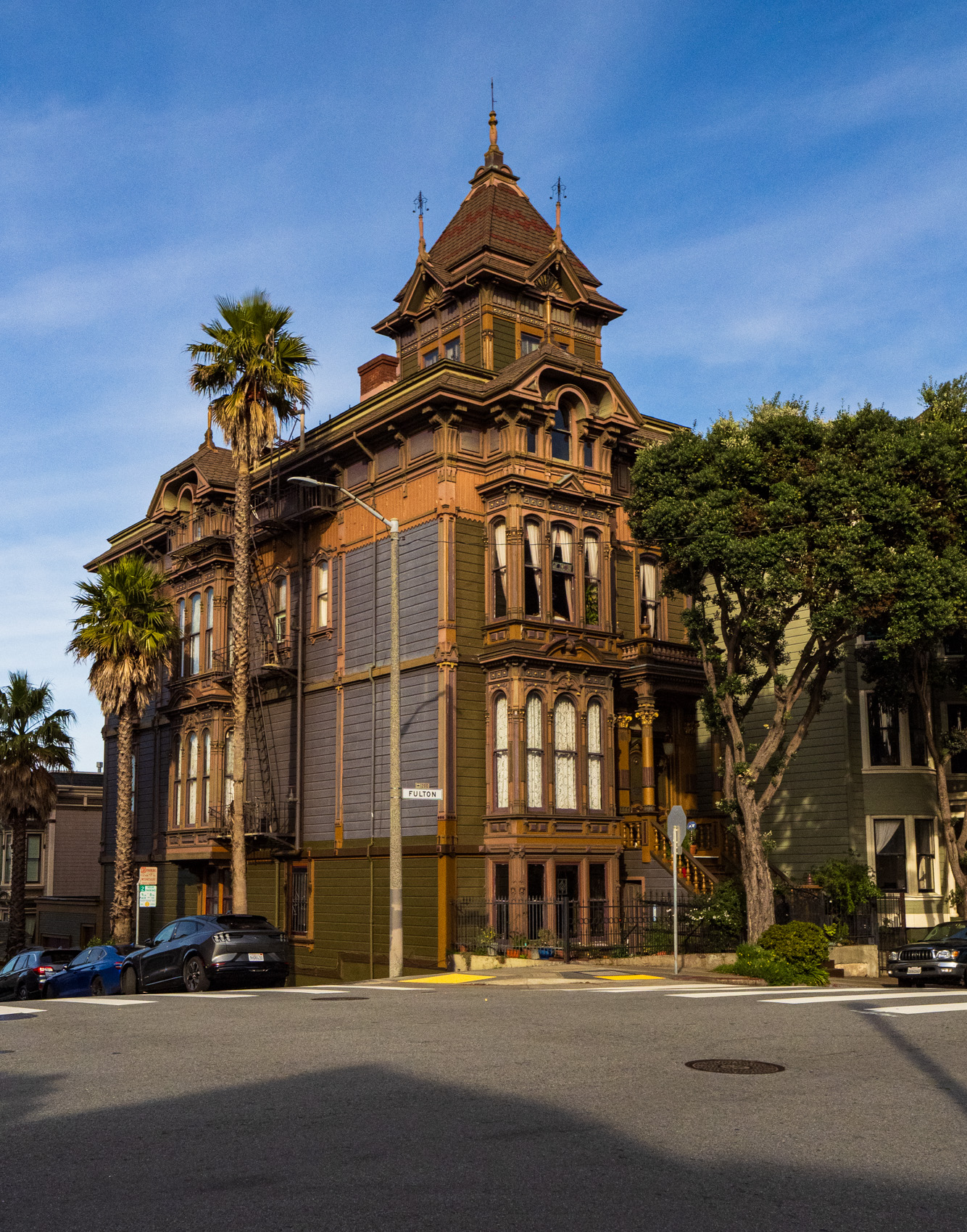
Perched across from Alamo Square at 1198 Fulton Street, the William Westerfeld House has spent over 130 years reinventing itself right alongside San Francisco. I recently had the rare privilege of touring the house with its owner, Jim Siegel, who has spent nearly four decades restoring it — and hearing its story firsthand.
The house was built in 1889 for William Westerfeld, a German-born confectioner who arrived in San Francisco in the 1870s and built a small chain of bakeries. He commissioned architect Henry Geilfuss to design a 28-room mansion, complete with a rose garden and carriage house. After Westerfeld’s death in 1895, the home passed through owners tied to the city’s own reinvention — including a firm that helped rebuild the St. Francis and Palace Hotels after the 1906 earthquake — before a group of Czarist Russian émigrés bought it in 1928. They turned the ground-floor ballroom into a nightclub called Dark Eyes, and the nickname “Russian Embassy” has stuck to the house ever since.
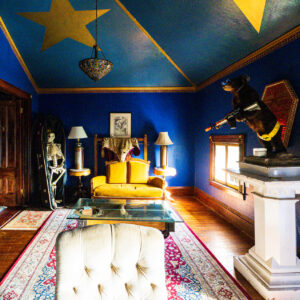
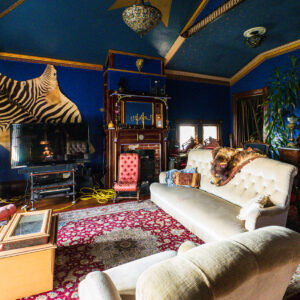
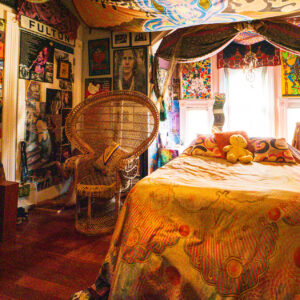
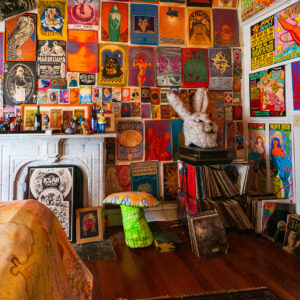
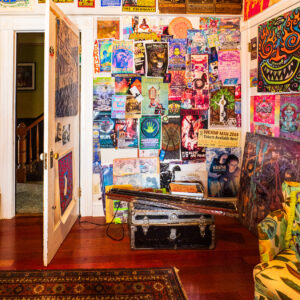
By the late 1940s the mansion had been divided into fourteen apartments, home for two decades to African-American musicians playing the Fillmore’s thriving jazz clubs. Then came the house’s wildest chapter: in 1967, underground filmmaker Kenneth Anger moved in and shot Invocation of My Demon Brother there, featuring Manson family member Bobby Beausoleil, Church of Satan founder Anton LaVey, and a score by Mick Jagger. The house even turns up in Tom Wolfe’s The Electric Kool-Aid Acid Test. The following year, members of the Family Dog collective occupied the house while promoting shows at the nearby Avalon Ballroom, with the Grateful Dead and Big Brother and the Holding Company as frequent visitors — making it hard to think of another private San Francisco residence that absorbed so much of the decade’s mythology under one roof.
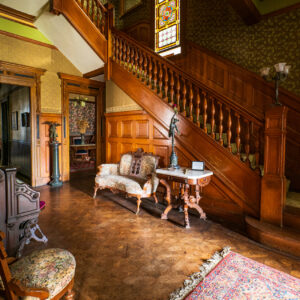
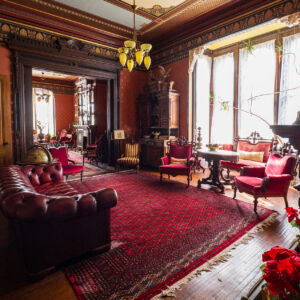
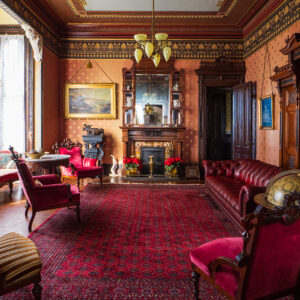
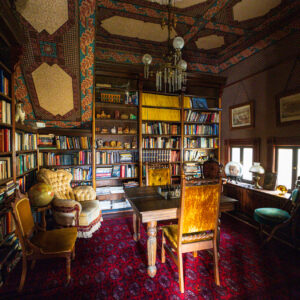
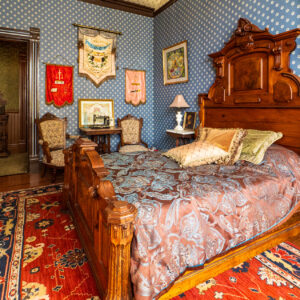
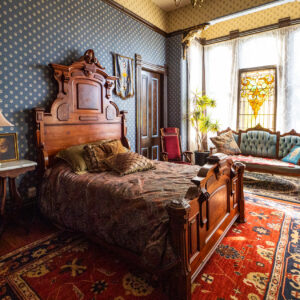
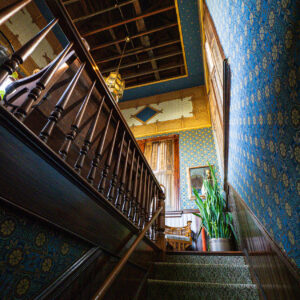
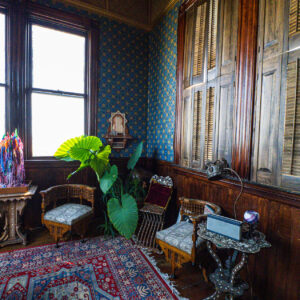
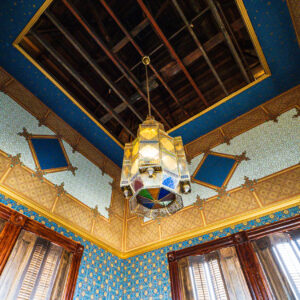
The house survived a nearby urban renewal campaign that erased some 6,000 Victorian-era buildings across the Western Addition, though by the time Jim Siegel bought it in 1986, it needed serious work. He’s spent the years since retrofitting the foundation, rewiring, replumbing, and restoring the woodwork and the ground-floor ballroom — the same room that once housed Dark Eyes — down to its 25-foot ceiling, now covered in period wallpaper hand-crafted by Bradbury & Bradbury. Touring the house with Jim, who once ran a business on Haight Street during its 1970s revival, it’s easy to feel the weight of everyone who has passed through: confectioners, émigrés, jazz musicians, and psychedelic filmmakers, all under one roof.