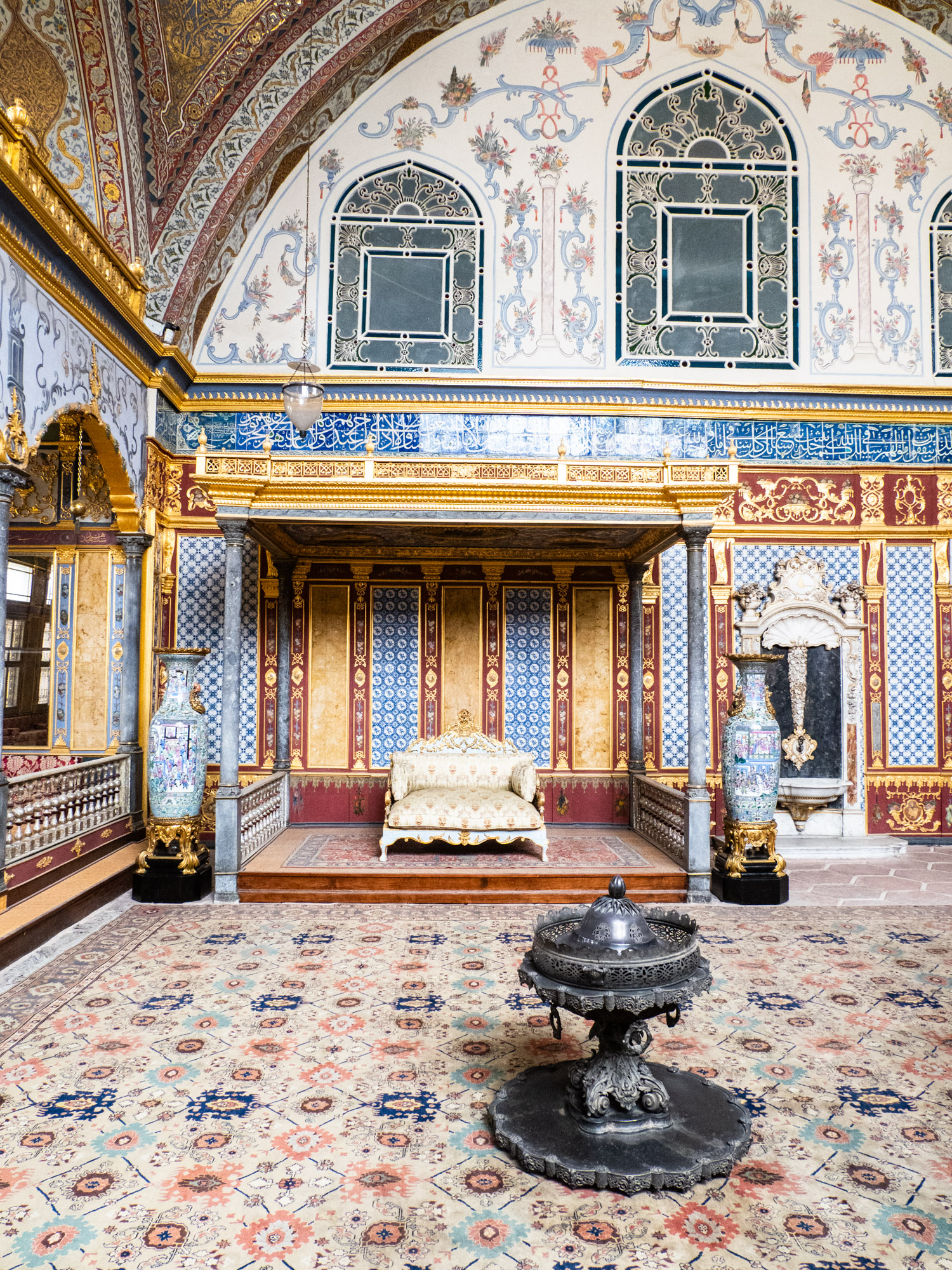
Topkapı Palace: The Heart of the Ottoman Empire
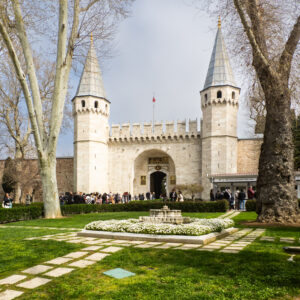
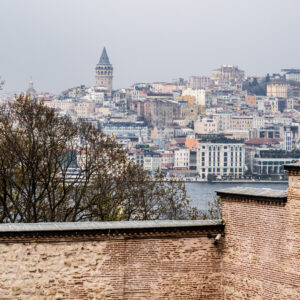
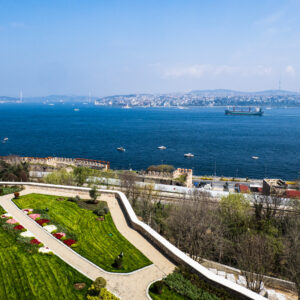
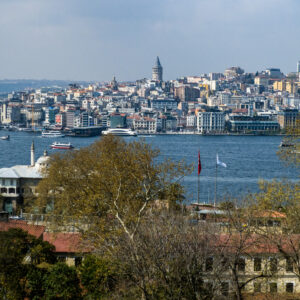
Rising above the meeting point of the Bosphorus and the Golden Horn, Topkapı Palace was the political and ceremonial center of the Ottoman Empire for nearly four centuries. Commissioned by Sultan Mehmed II shortly after his conquest of Constantinople in 1453, the palace was more than a royal residence—it was the seat of imperial power.
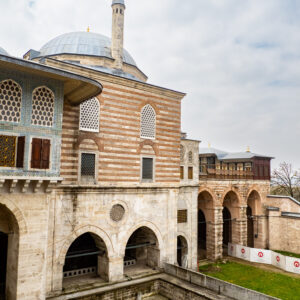
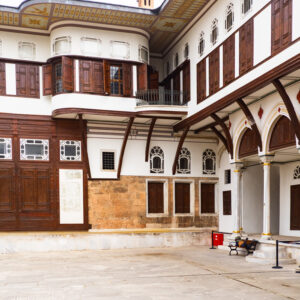
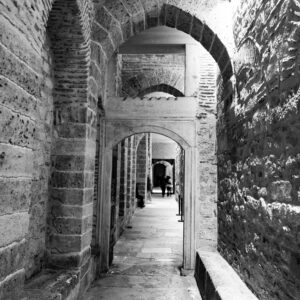
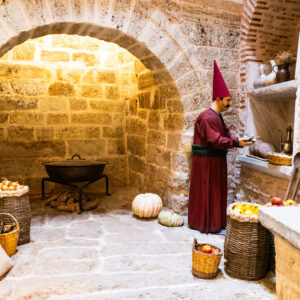
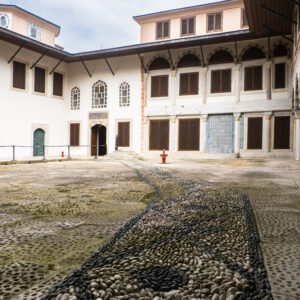
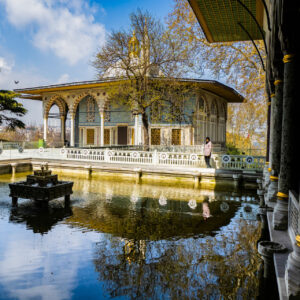
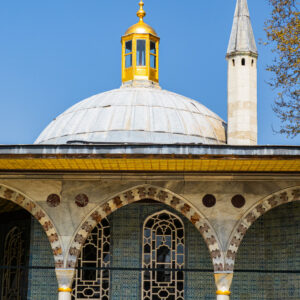
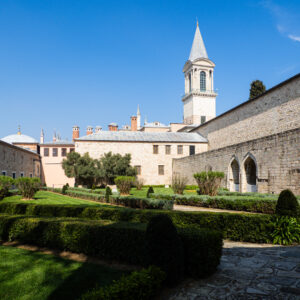
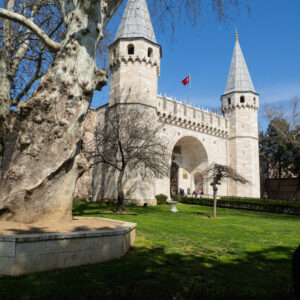
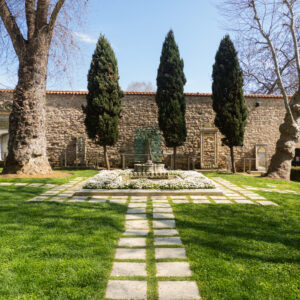
Unlike European palaces, Topkapı is not a single grand building but a sprawling complex of pavilions, courtyards, and gardens, surrounded by high stone walls. It grew organically over time, reflecting the evolving needs and tastes of the sultans who ruled from it. At its peak, it housed up to 4,000 people, including officials, guards, religious scholars, artists, cooks, and members of the royal family.
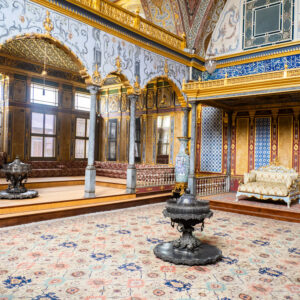
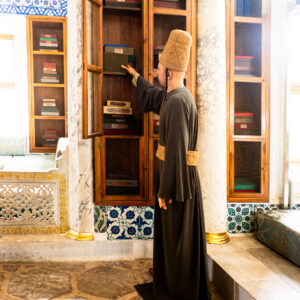
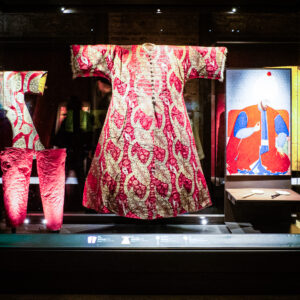
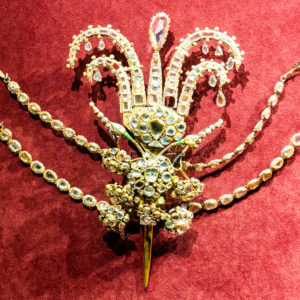
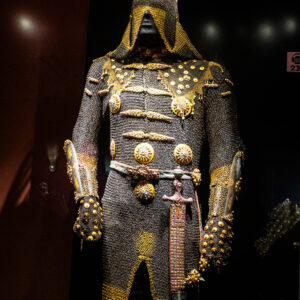
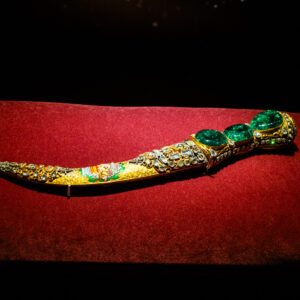
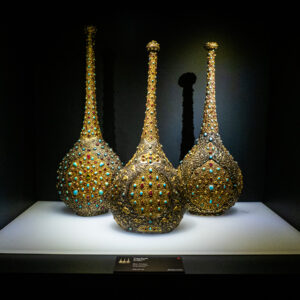
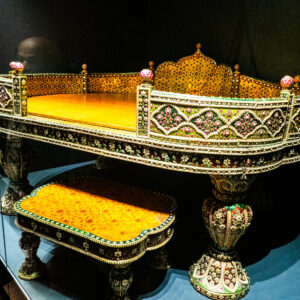
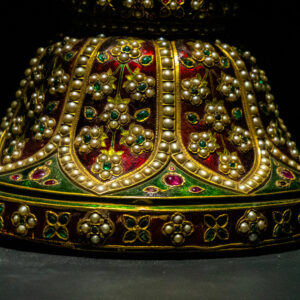
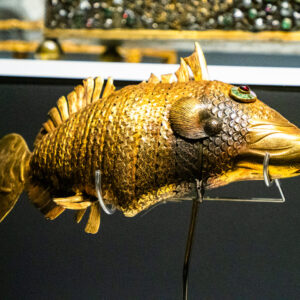
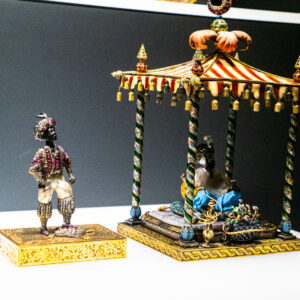
The palace includes the Imperial Treasury, the Sacred Safekeeping Rooms (which house important Islamic relics), and audience halls where foreign ambassadors were received. From these very chambers, decisions were made that affected vast territories across Europe, Asia, and Africa.
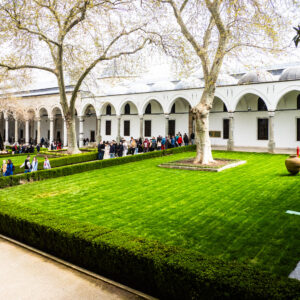
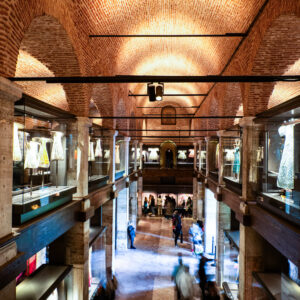
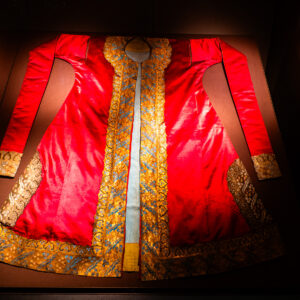
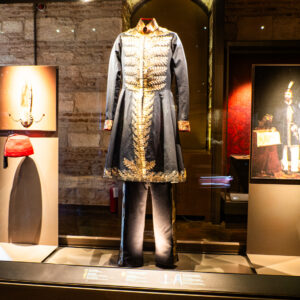
In 1924, following the establishment of the Turkish Republic, Topkapı was transformed into a museum. Today, visitors walk through its richly tiled rooms and manicured courtyards, glimpsing the opulence and order that defined the Ottoman court.

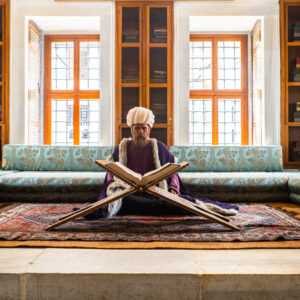
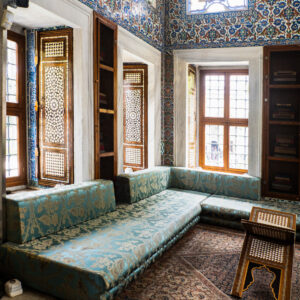





The Harem: Power and Privacy Behind Closed Doors
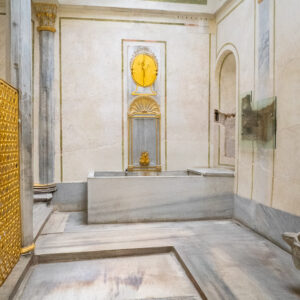
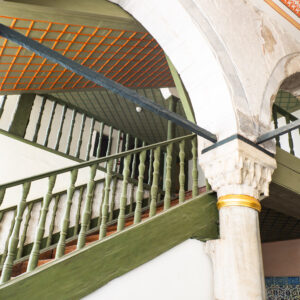
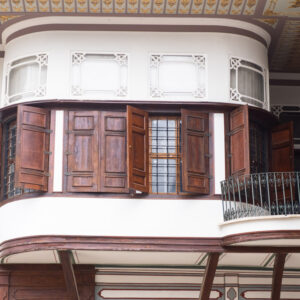
Tucked within the innermost quarters of Topkapı Palace is the Harem—a place of myth, mystery, and political influence. Though often romanticized in Western imagination, the Harem was a carefully structured private world, home to the sultan’s mother, wives, concubines, children, and their attendants.
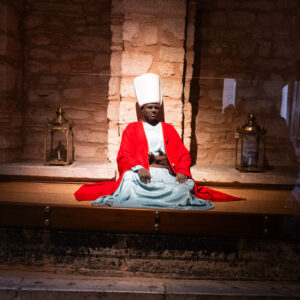
The Harem functioned as a school, a court, and a power base. Women were educated in music, poetry, language, and palace etiquette. The highest-ranking woman, the Valide Sultan (Queen Mother), often held considerable political sway. Eunuchs, particularly the Chief Black Eunuch, controlled access and maintained order.
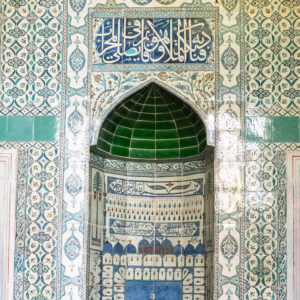
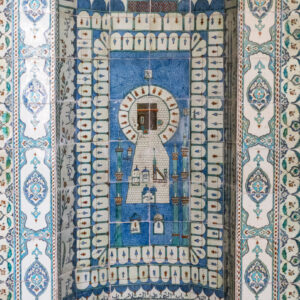
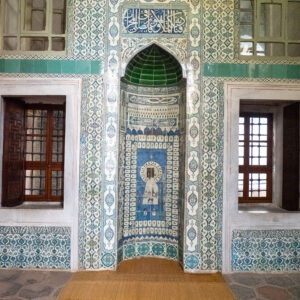
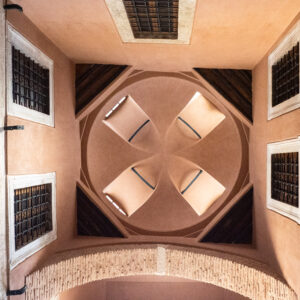
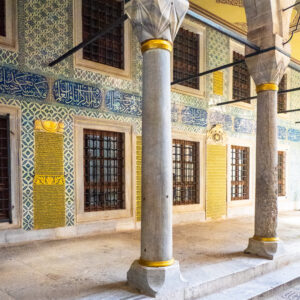
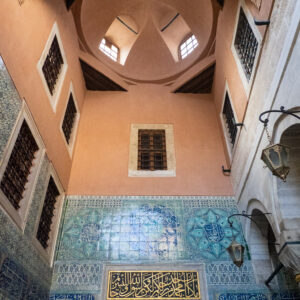
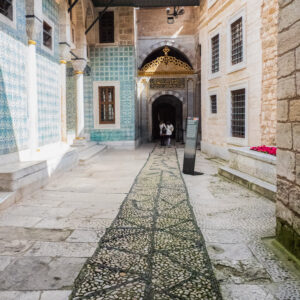
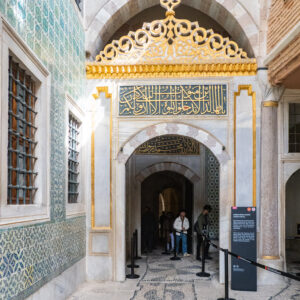
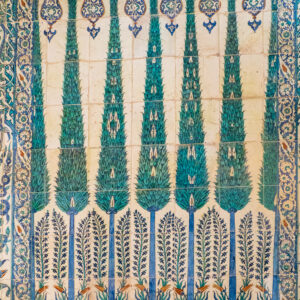
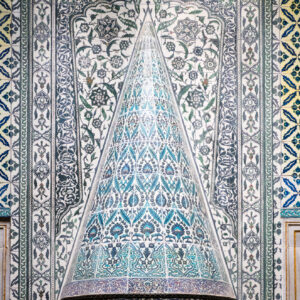
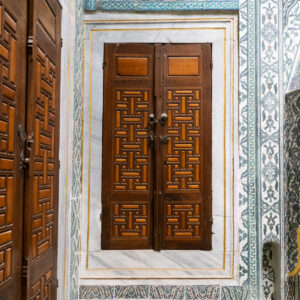
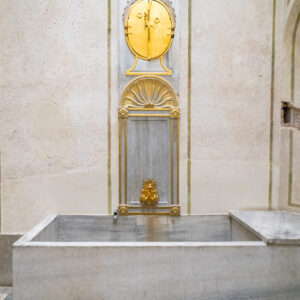
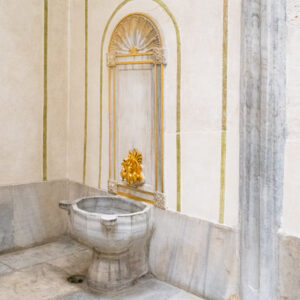
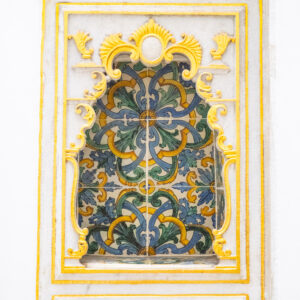
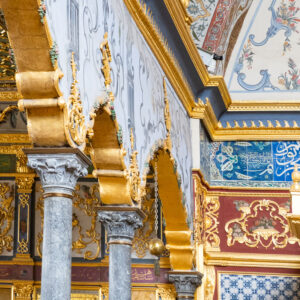
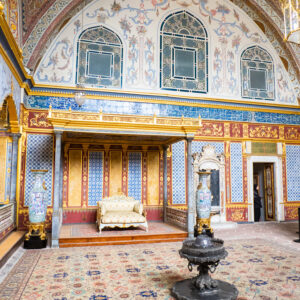
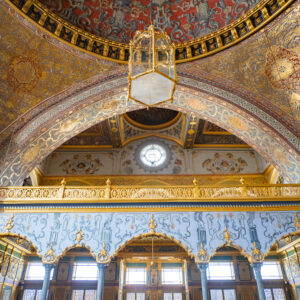
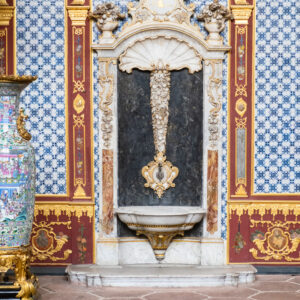
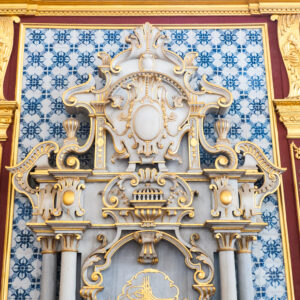
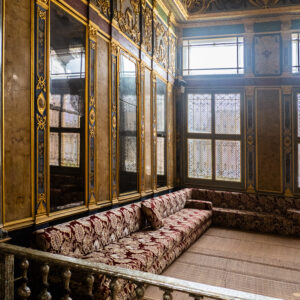
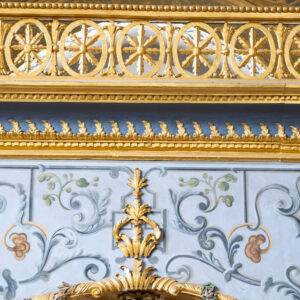
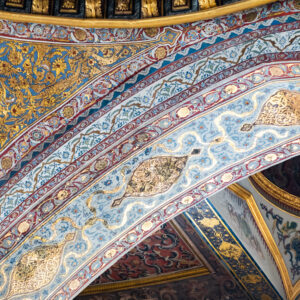
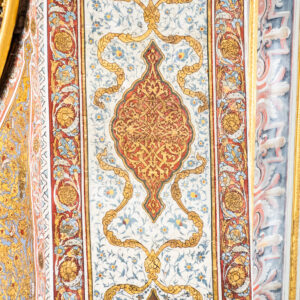
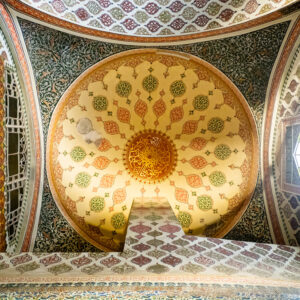
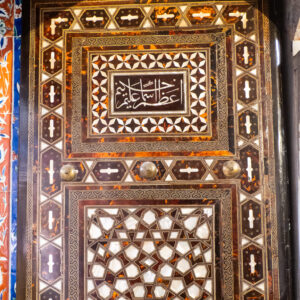
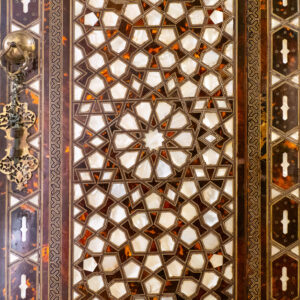
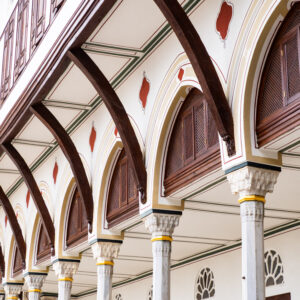
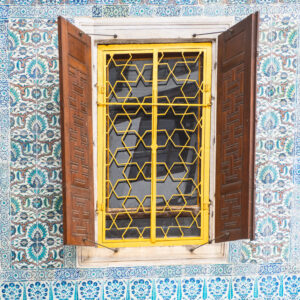
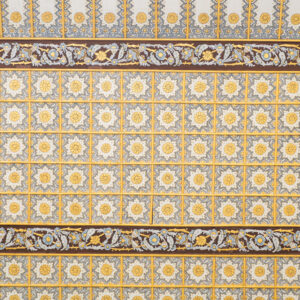
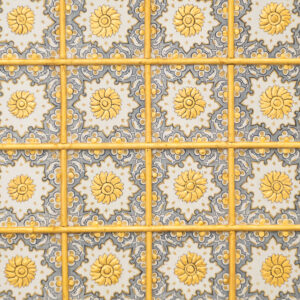
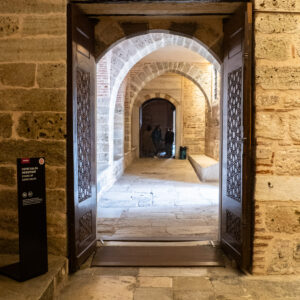
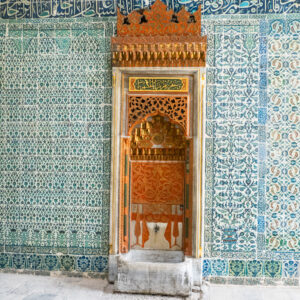
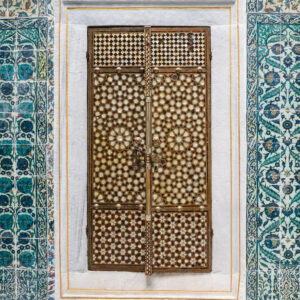
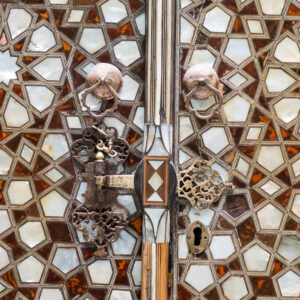
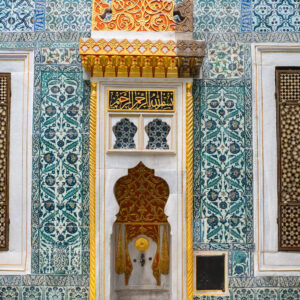
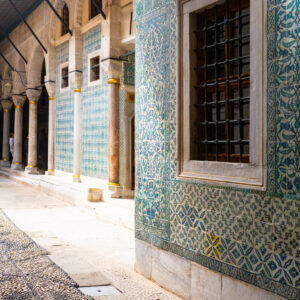
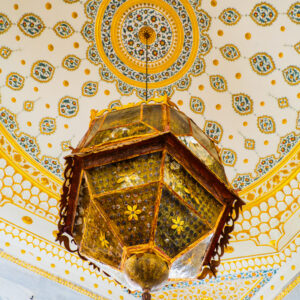
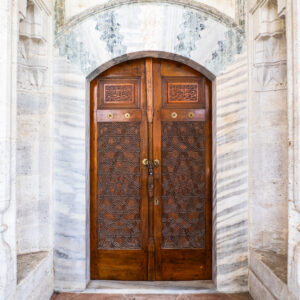
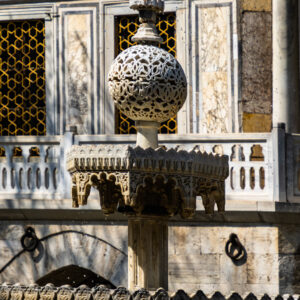
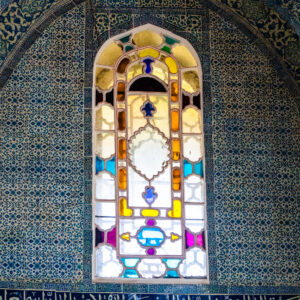
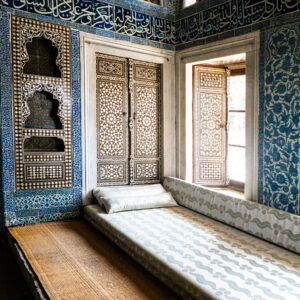
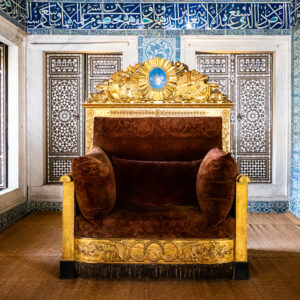
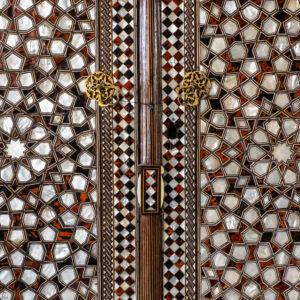
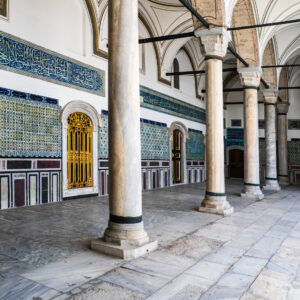
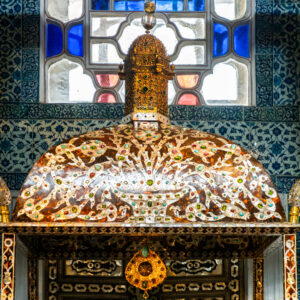
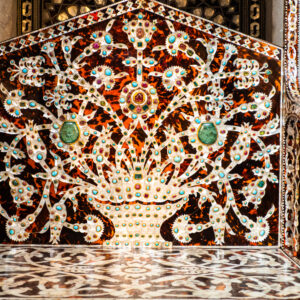
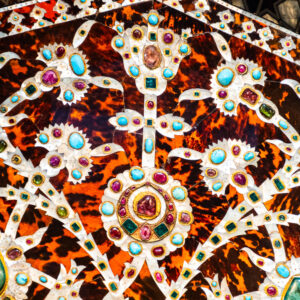
Walking through the tiled corridors and into chambers decorated with Iznik ceramics and mother-of-pearl inlays, I could feel the layered history: whispers of royal births, intrigues, and the daily rhythms of life away from the public eye.
The Harem was more than a place of beauty—it was an institution that shaped succession, alliances, and imperial culture from within the palace walls.