Las Vegas — 2005
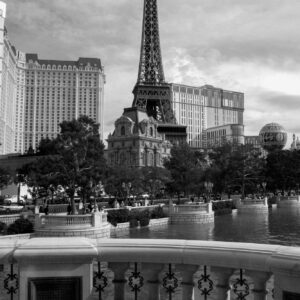
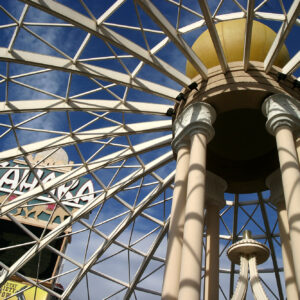
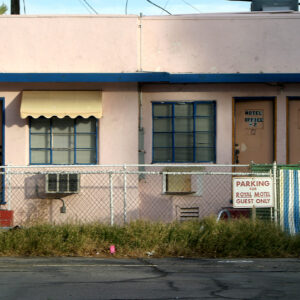
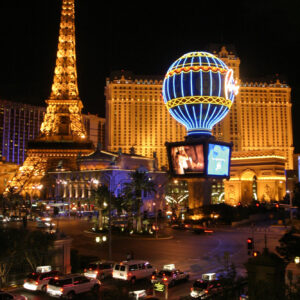
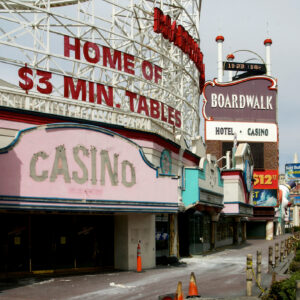
My first visit to Las Vegas was in 2005. I had taken my mother for her birthday. She spent her days at the blackjack tables while I walked the city with a camera. We were staying at the Paris Hotel, and one of the first things that caught my eye was the abandoned Boardwalk Motel—sun-faded, fenced off, and sitting in plain view of the Strip.
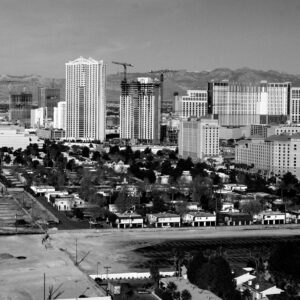
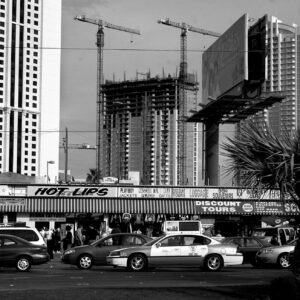
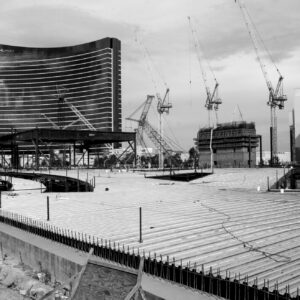
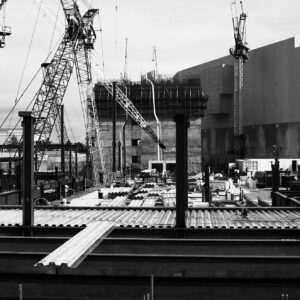
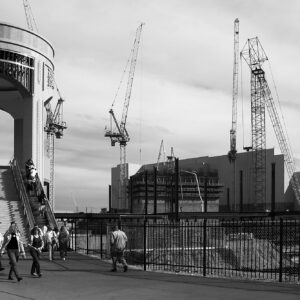
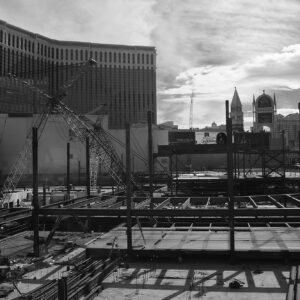
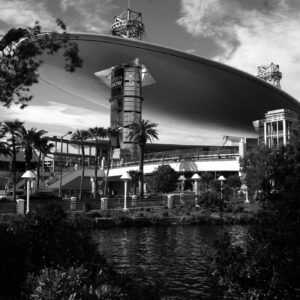
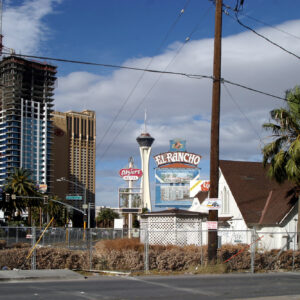
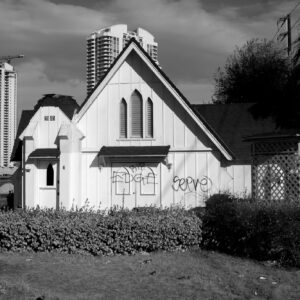
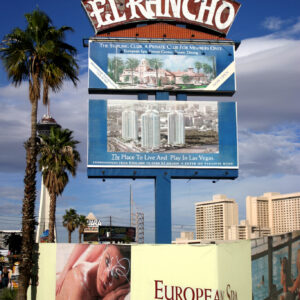
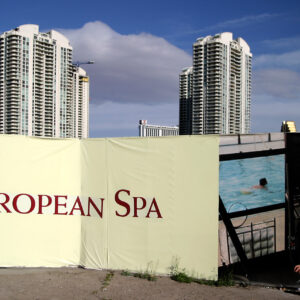
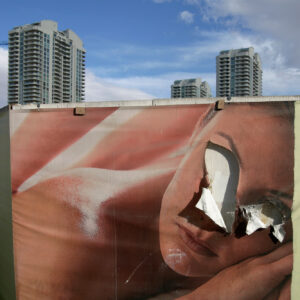
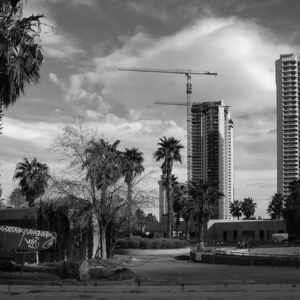
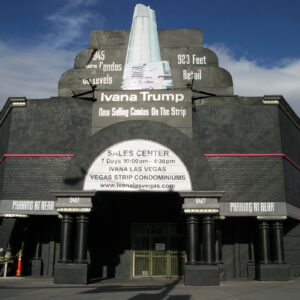
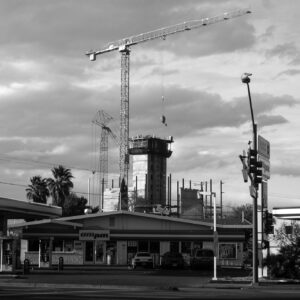
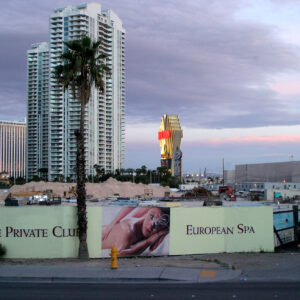
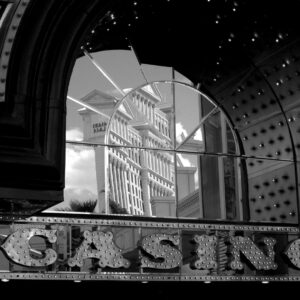
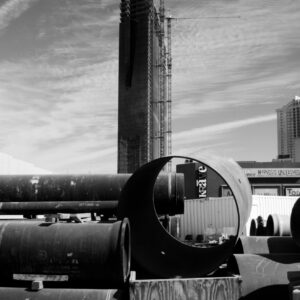
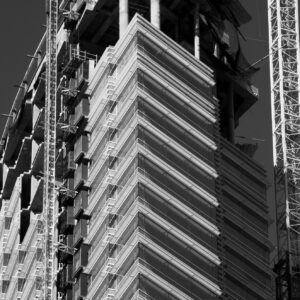
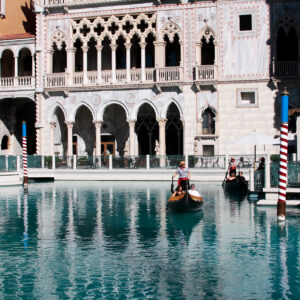
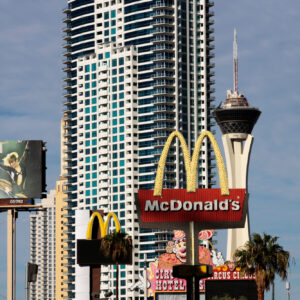
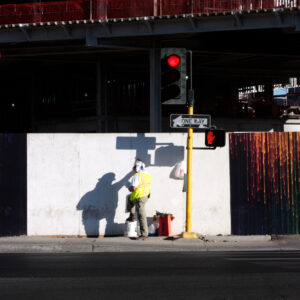
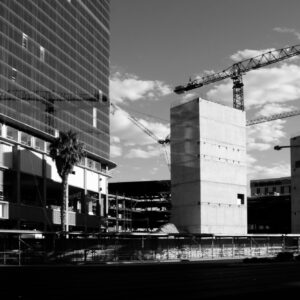
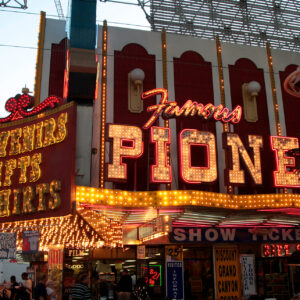
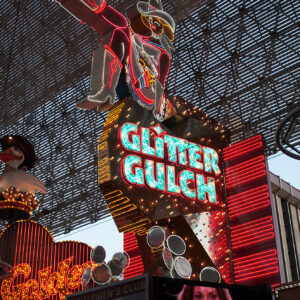
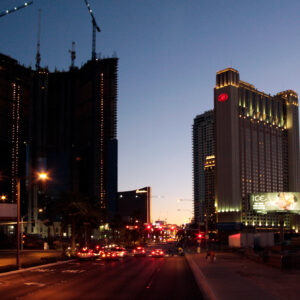
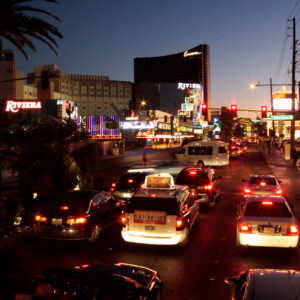
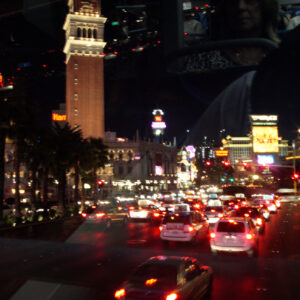
On my first day I walked from the Paris Hotel all the way to Fremont Street. The Strip was in the middle of a major transition—cranes over new towers, entire blocks torn open, and the older city giving way to luxury developments. Along the way I photographed construction sites, work crews, and the skeletal outlines of new buildings.
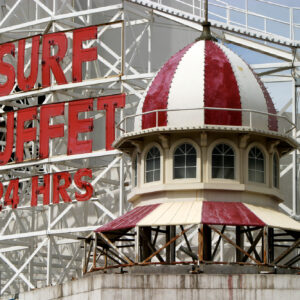
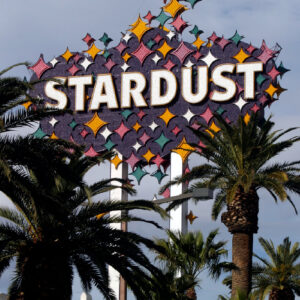
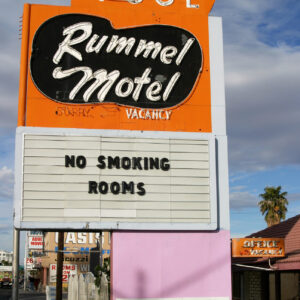
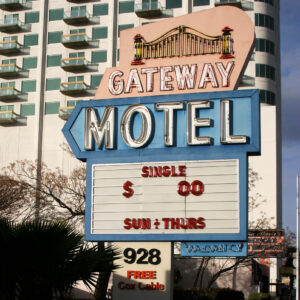
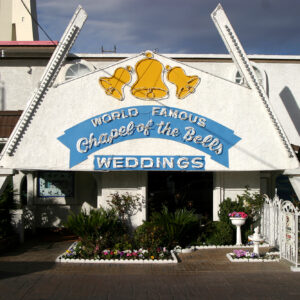
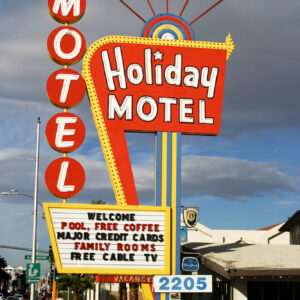
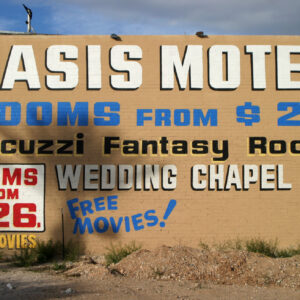
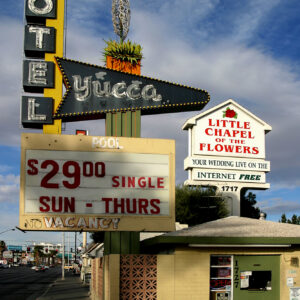
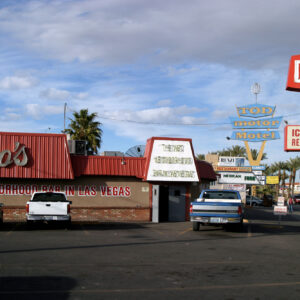
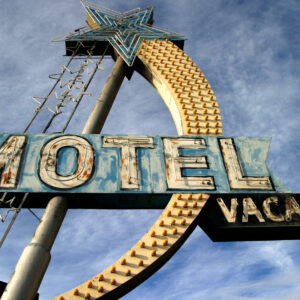
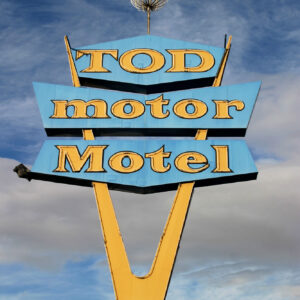
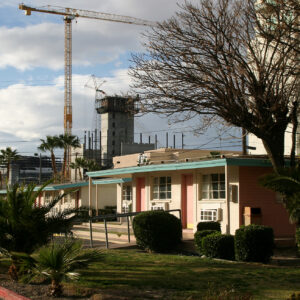
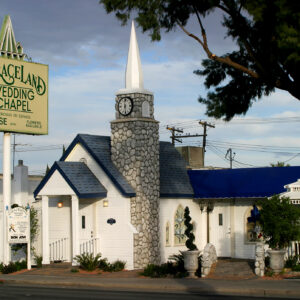
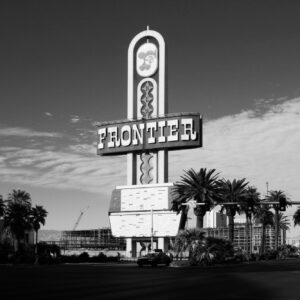
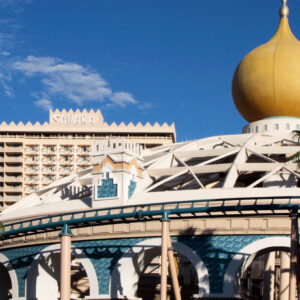
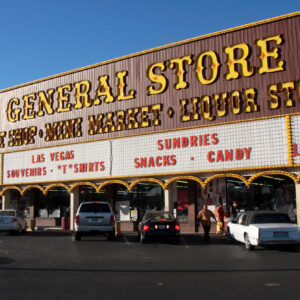
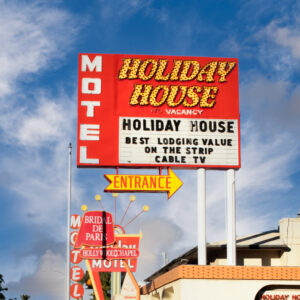
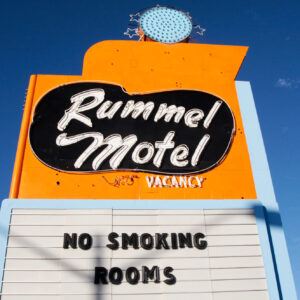
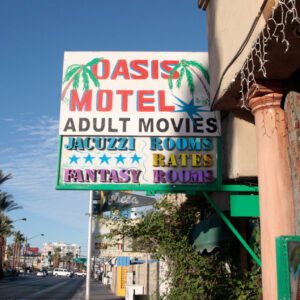
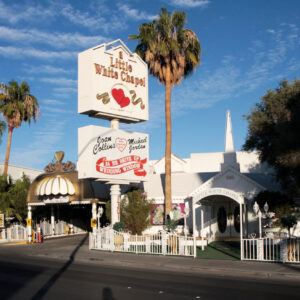
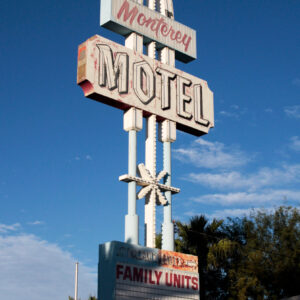
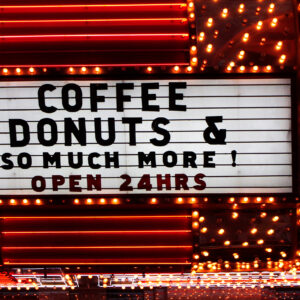
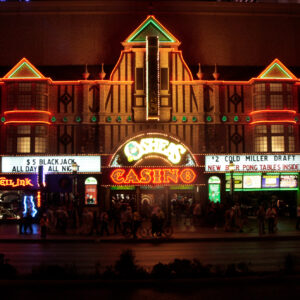
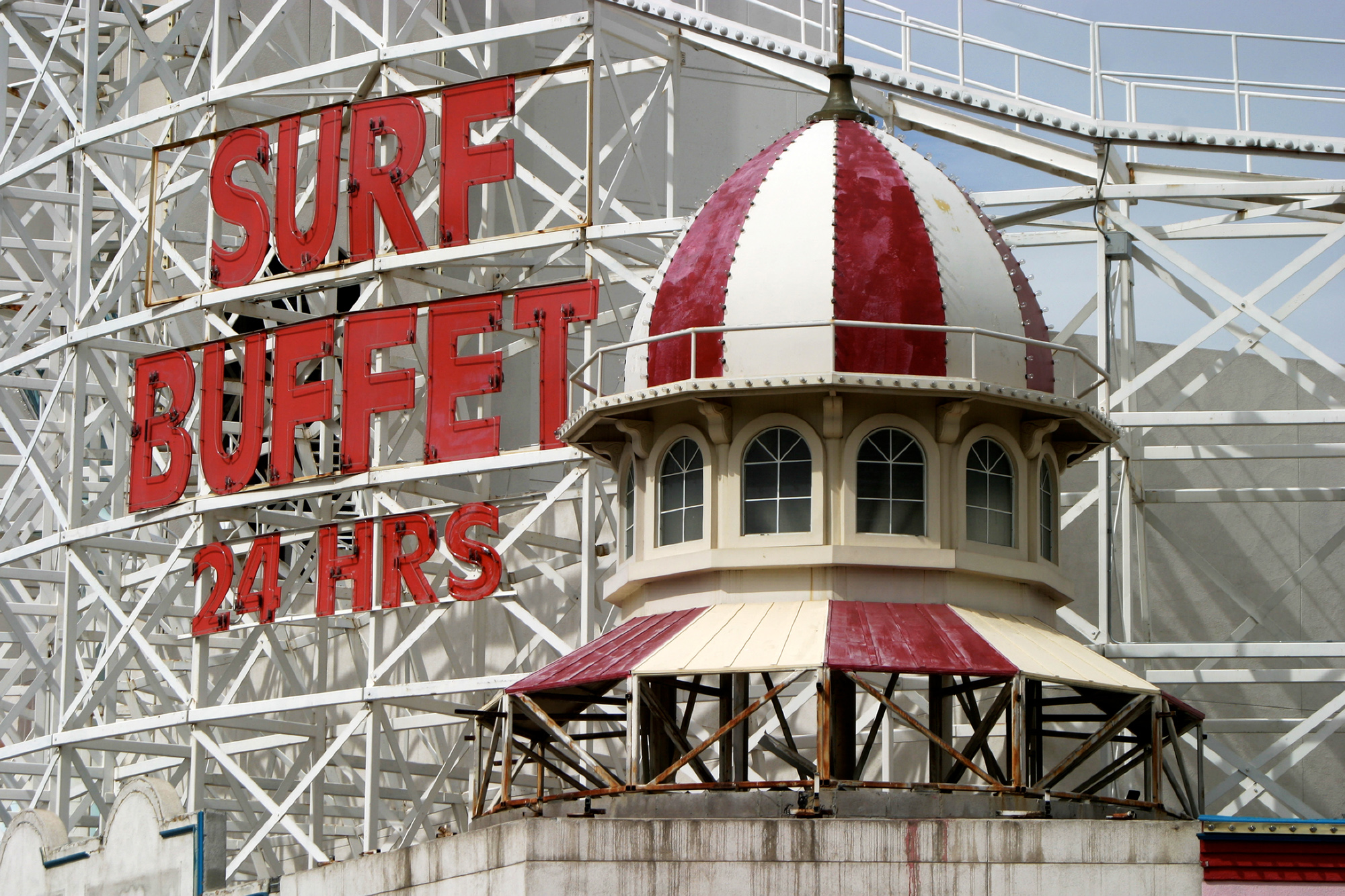
What interested me most were the historic motels and their signage. Holiday Motel, Tod Motor Motel, the Stardust, and a long stretch of mid-century façades built for motorists and tourists. I photographed them during the day. Some were already in visible disrepair—cracked stucco, peeling paint, missing letters—yet the colors of the signs still popped in full daylight. Neon stars, script lettering, arrows, and geometric shapes advertised vacancy, pools, and color TV. Most of the motels are now permanently closed. Some of the signage was dismantled; a number of pieces have since been moved to the Neon Museum in Las Vegas.
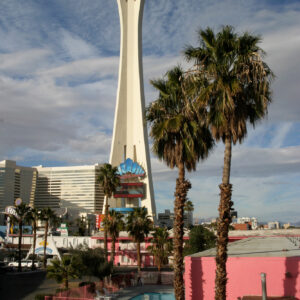
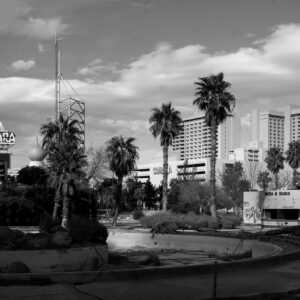
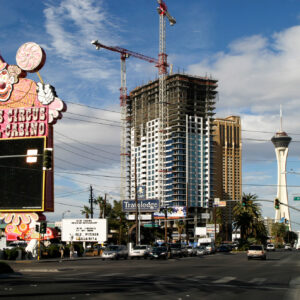
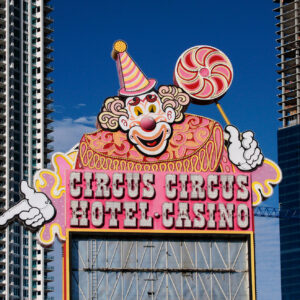
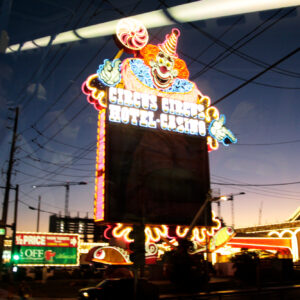
I also began photographing the Strip as a landscape—using existing buildings to show scale and context. Circus Circus was one of the few major hotels still intact, surrounded by cranes and construction zones. It became a reference point for the size of the projects rising around it. Today, Circus Circus remains, but the motels and neon that once defined that corridor are largely gone.
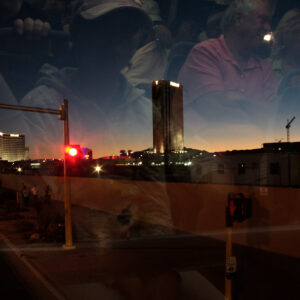
There was a moment where both versions of Las Vegas existed at once—the modern city under construction and the older Strip still visible in the gaps between cranes. Walking it with a camera was a way of marking the handover.