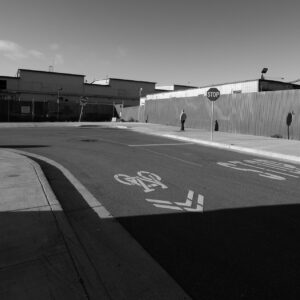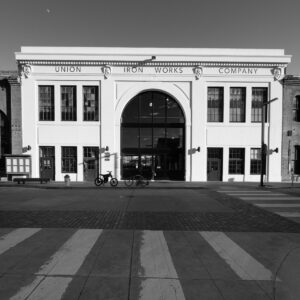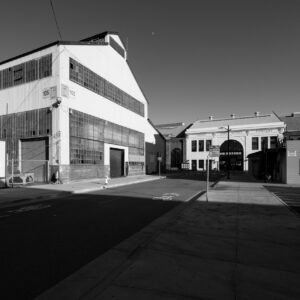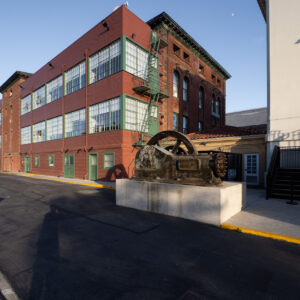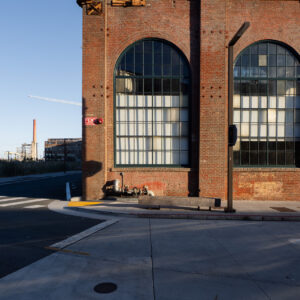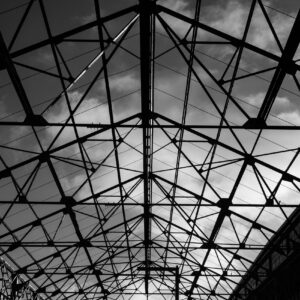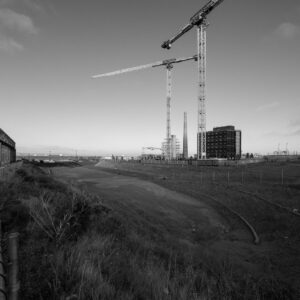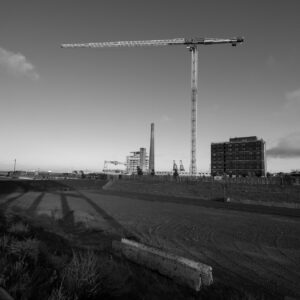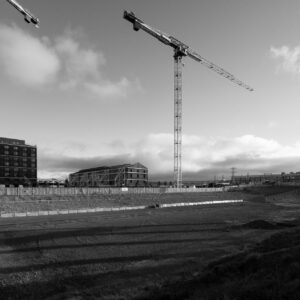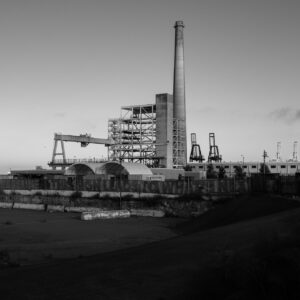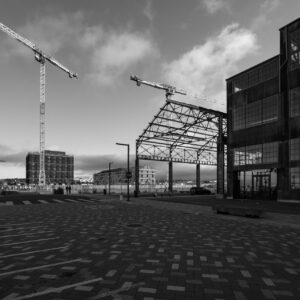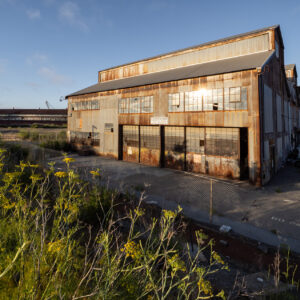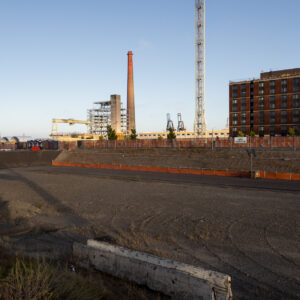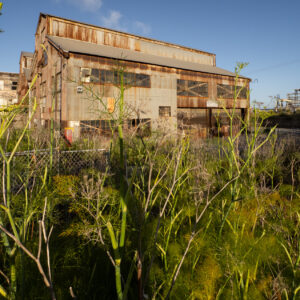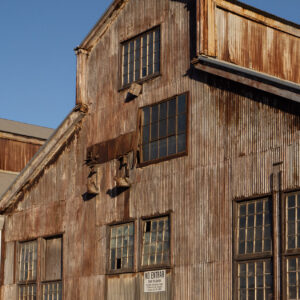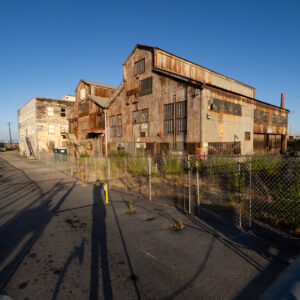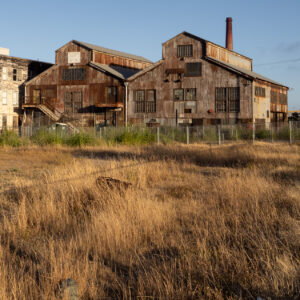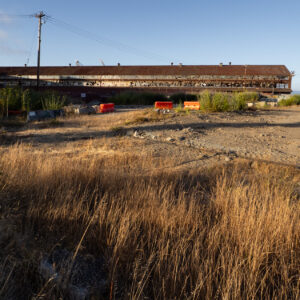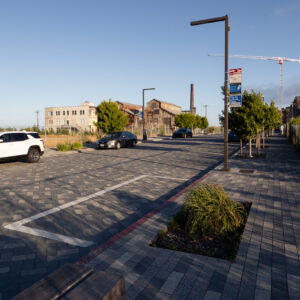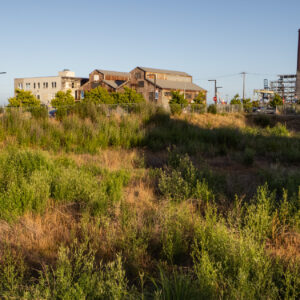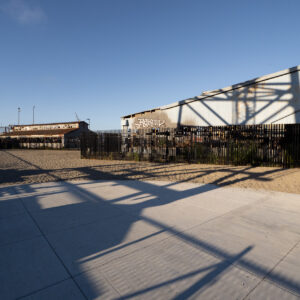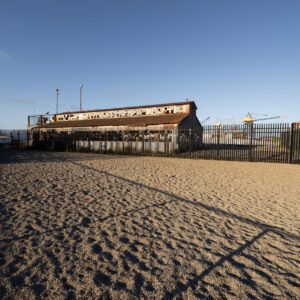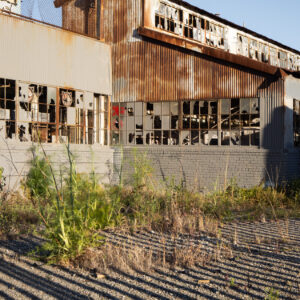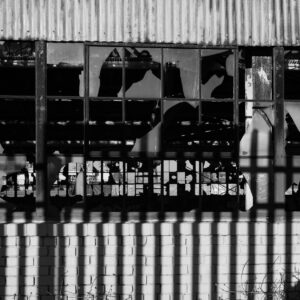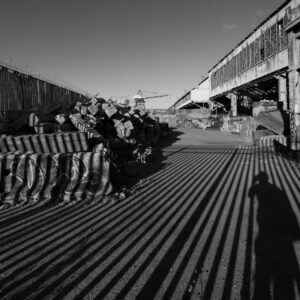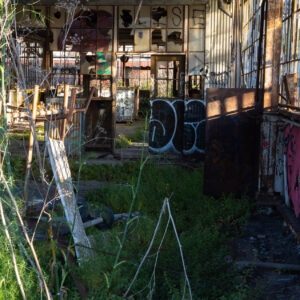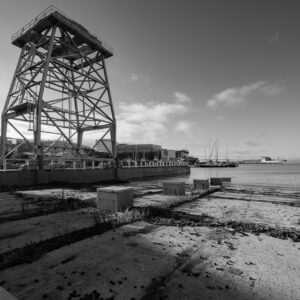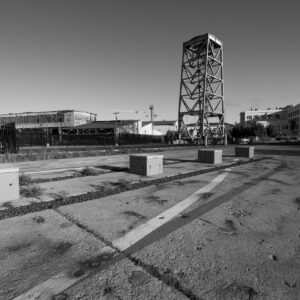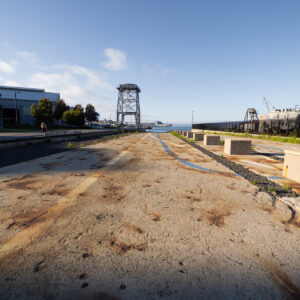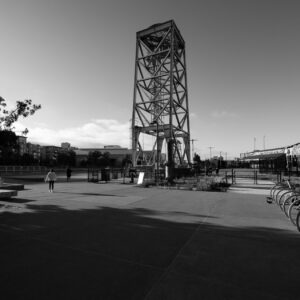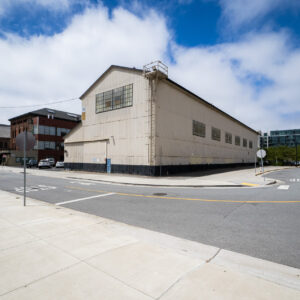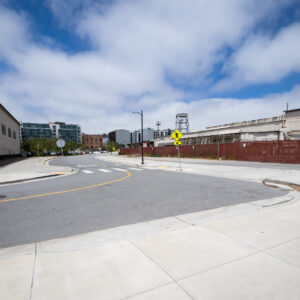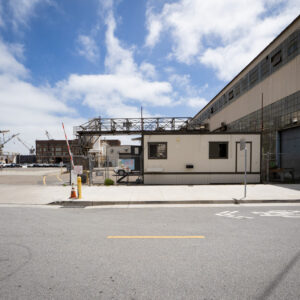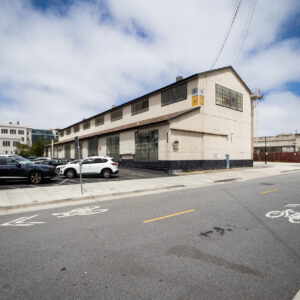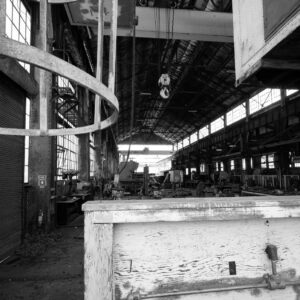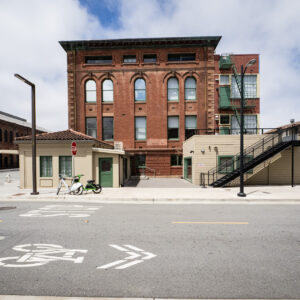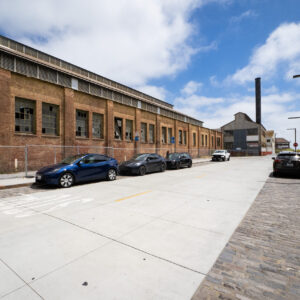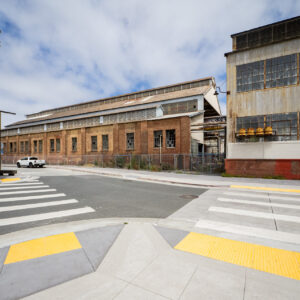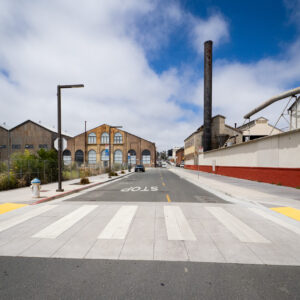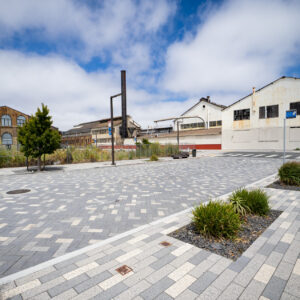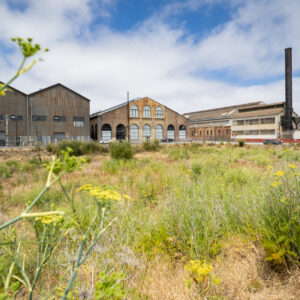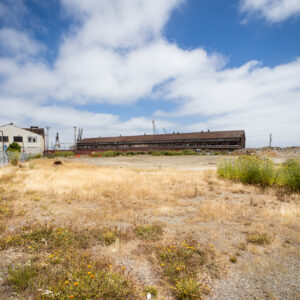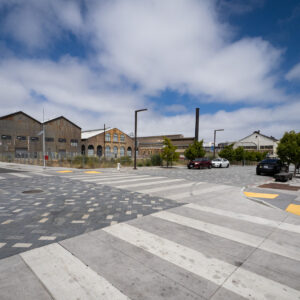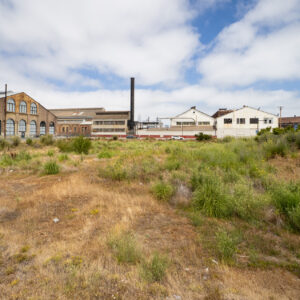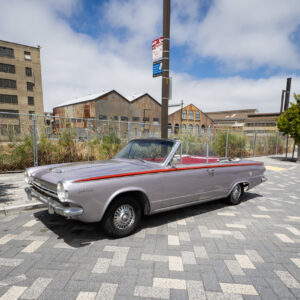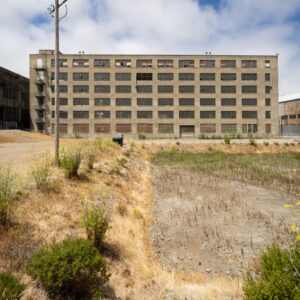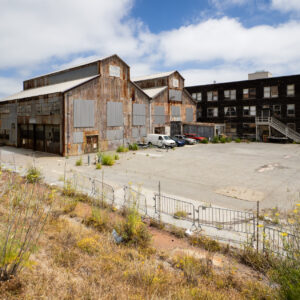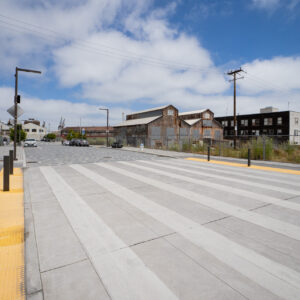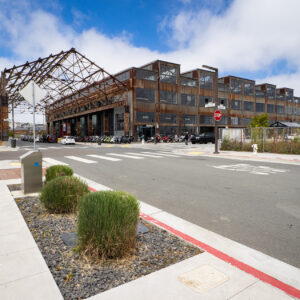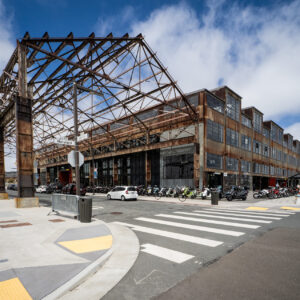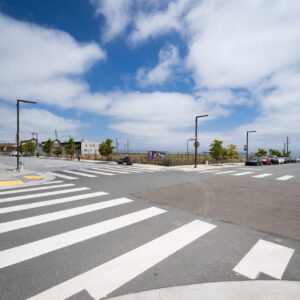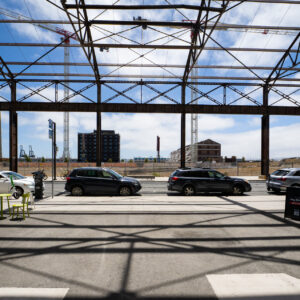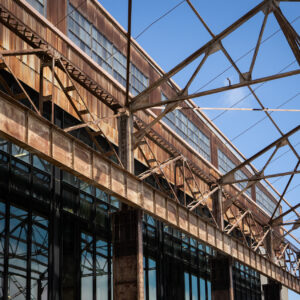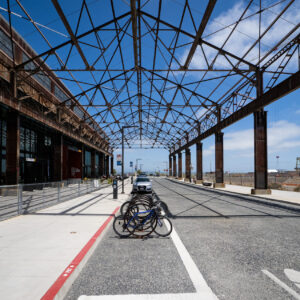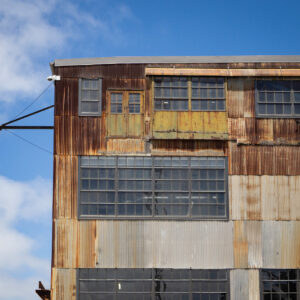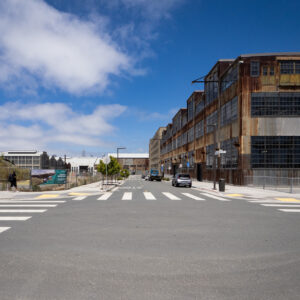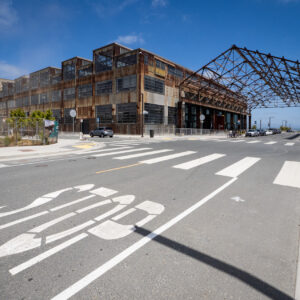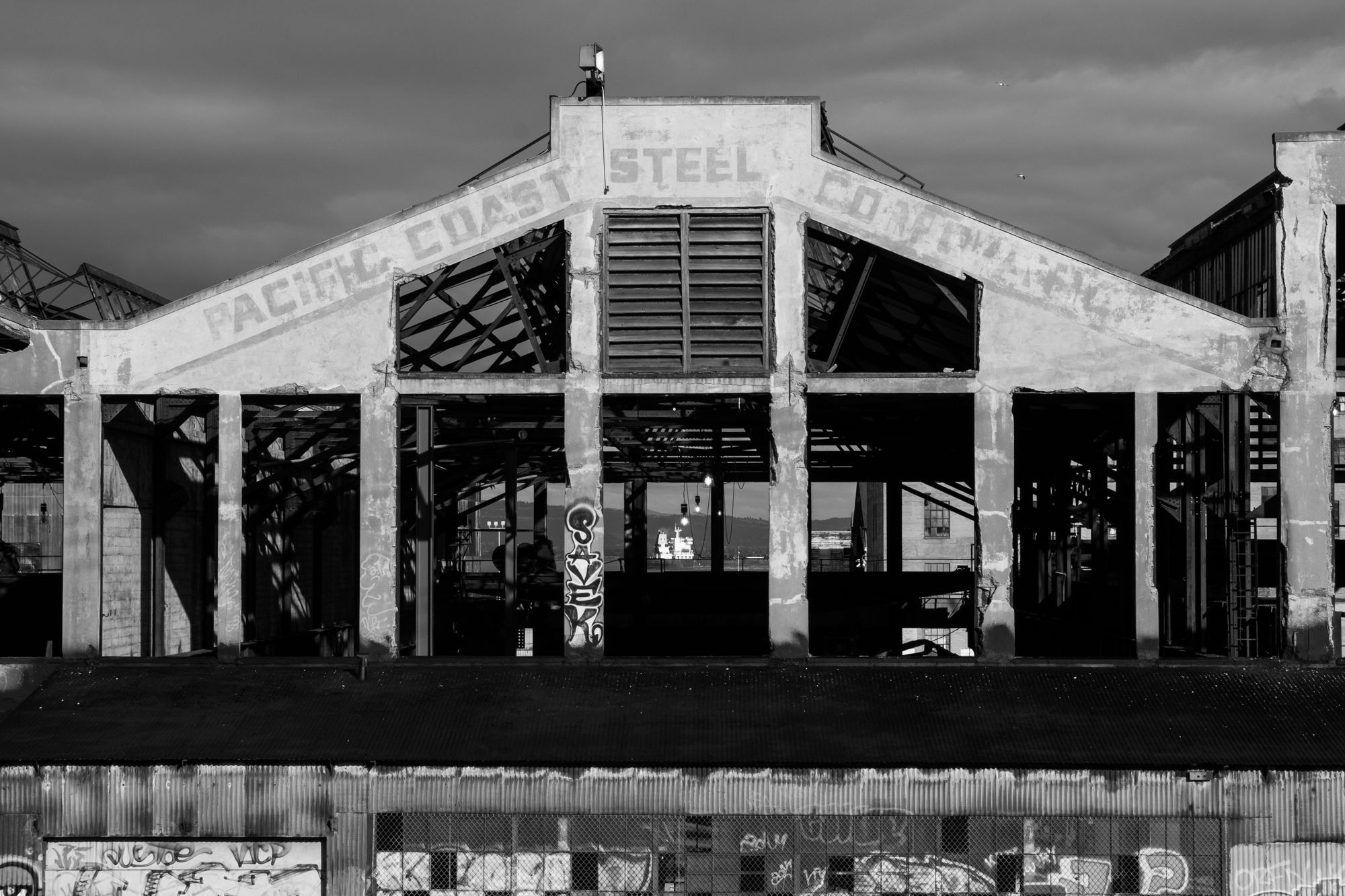
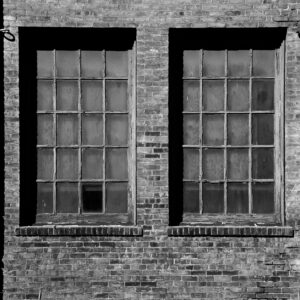
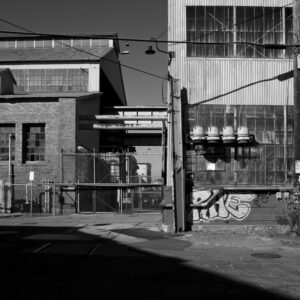
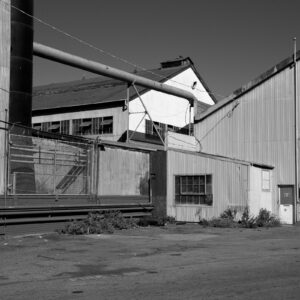
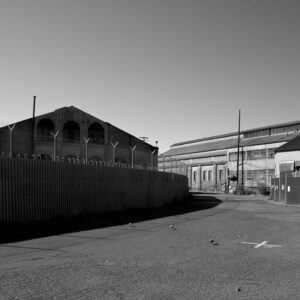
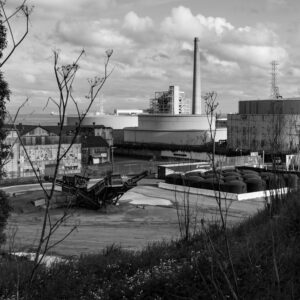
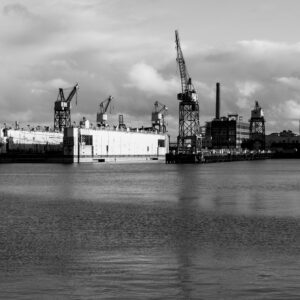
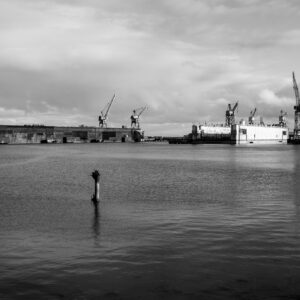
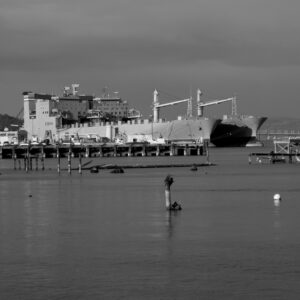
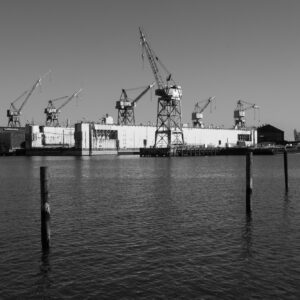
Pier 70, San Francisco, CA 2016
Pier 70 is one of San Francisco’s oldest continually operating industrial sites, its roots stretching back to the 1880s. The area first became prominent when Union Iron Works established shipbuilding operations along the waterfront, constructing some of the first steel ships on the West Coast. In 1905, Bethlehem Steel acquired the yards, expanding them into a sprawling complex that would become vital to the nation’s maritime industry.
During World War I and World War II, Pier 70 was at full capacity, employing thousands of workers around the clock. Warships, cargo vessels, and liberty ships were launched from its slips, supporting both the Pacific Fleet and the broader American war effort. The industrial boom transformed the neighborhood, drawing waves of workers from across the country and leaving a legacy of labor history and innovation.
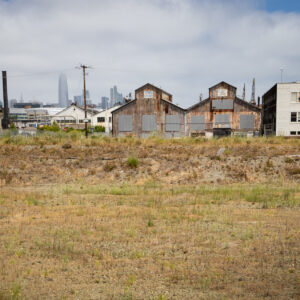
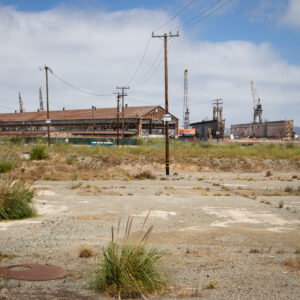
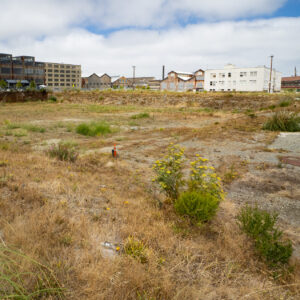
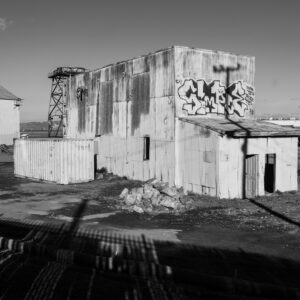
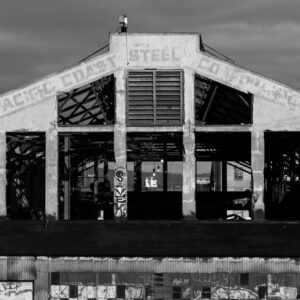
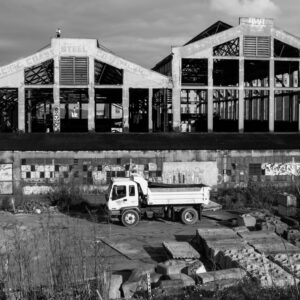
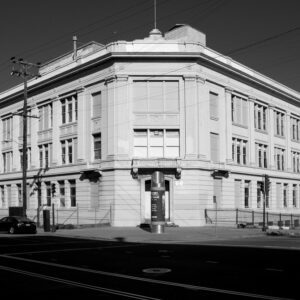
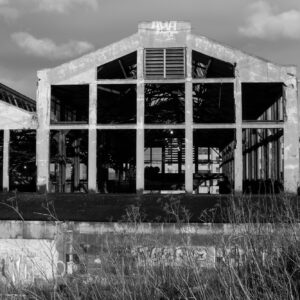
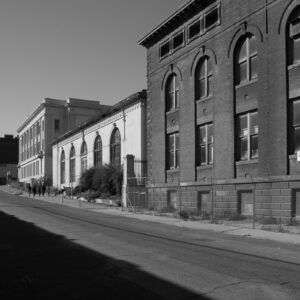
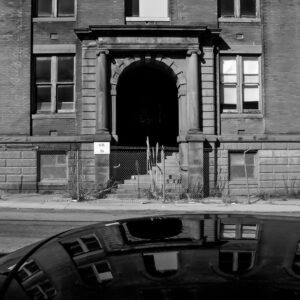
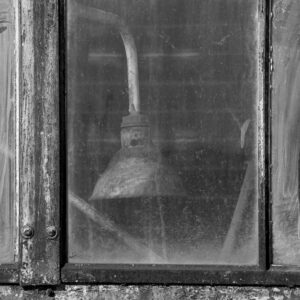
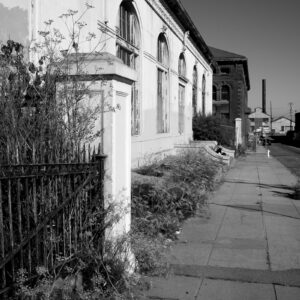
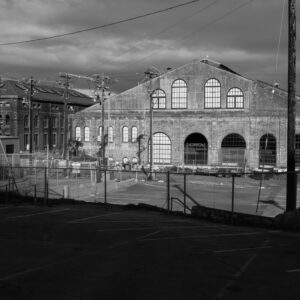
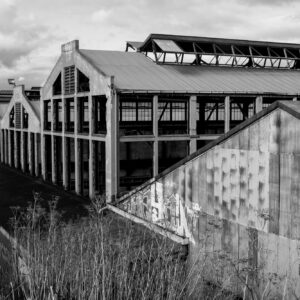
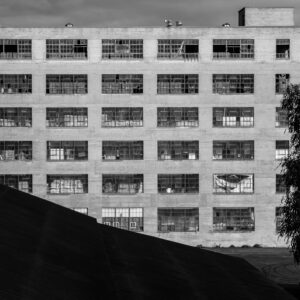
After the wars, demand for shipbuilding declined. By the 1980s, shipyard operations had mostly ceased, and the once-busy yards fell silent. Many of the site’s historic buildings—including the Administration Building, Machine Shops, and massive assembly halls—stood vacant, weathering decades of neglect. Some structures were repurposed by small businesses, but much of the property came to symbolize post-industrial decay.
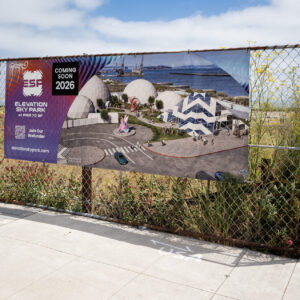
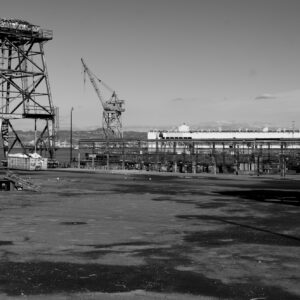
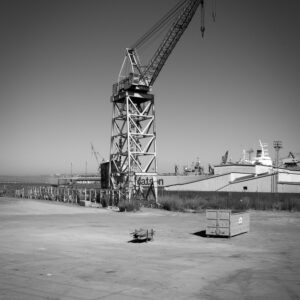
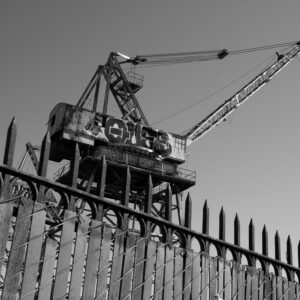
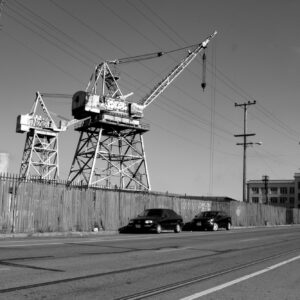
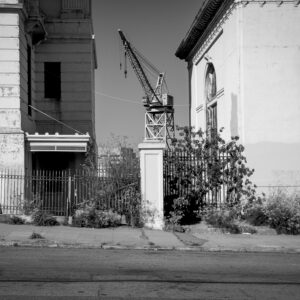
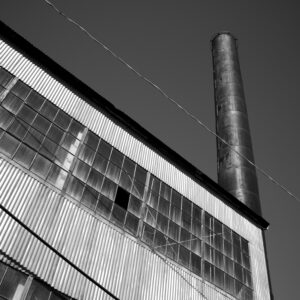
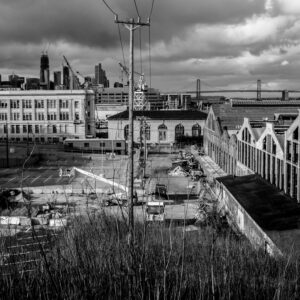
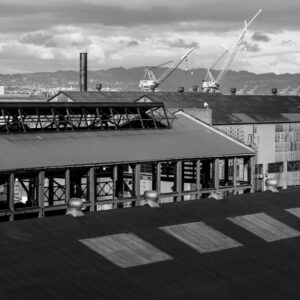
In recent years, Pier 70 has entered a new chapter. Redevelopment efforts have focused on restoring the site’s historic architecture while introducing new uses, including offices, parks, and public spaces. The transformation preserves key elements, such as the iconic cranes and smokestack, while once more opening the waterfront to the city. Pier 70’s layered history—of industry, war, decline, and renewal—remains etched into its brickwork and steel.
Pier 70 – July 2026