A Walk in the Park
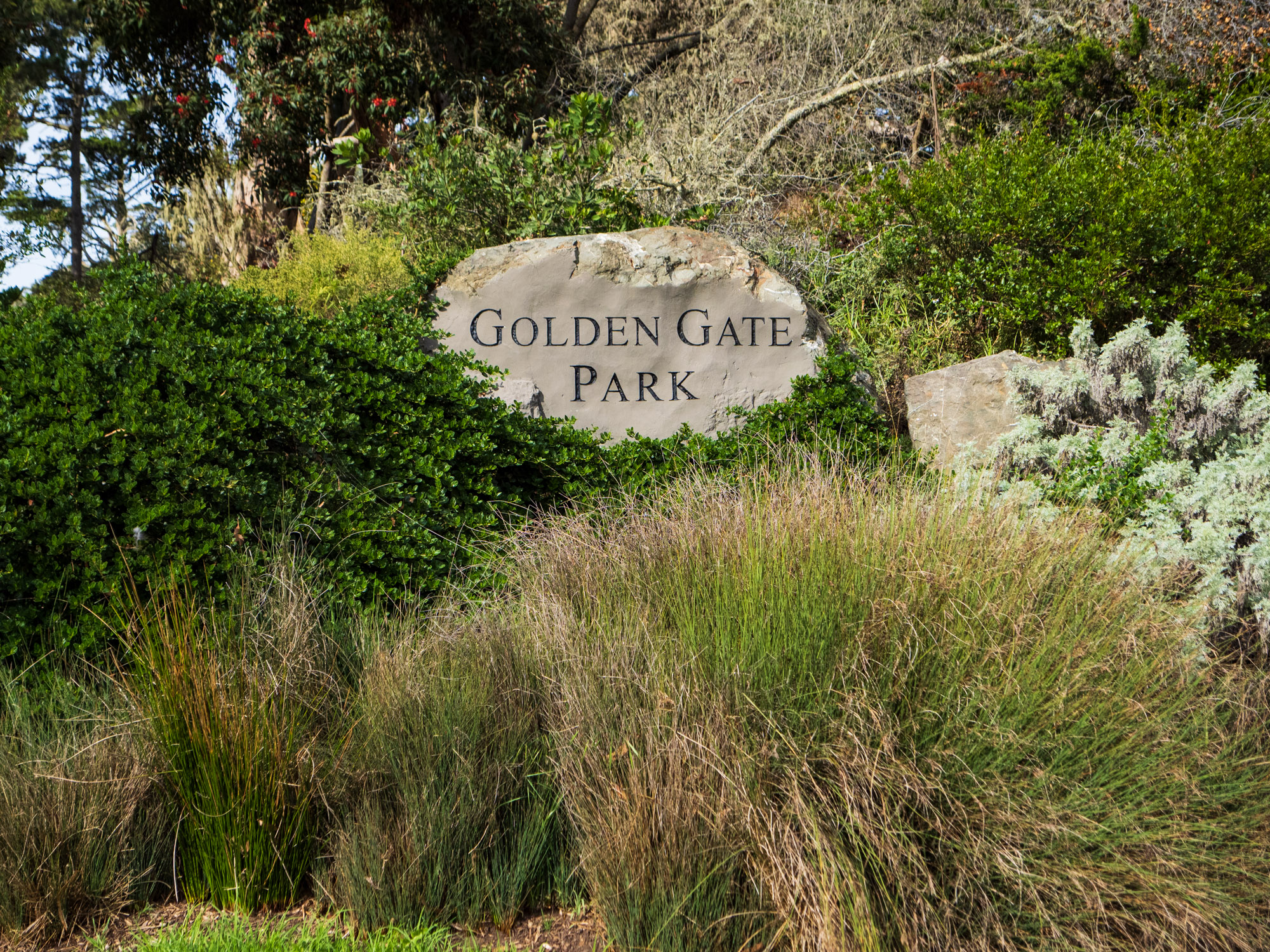
Golden Gate Park · November 2026
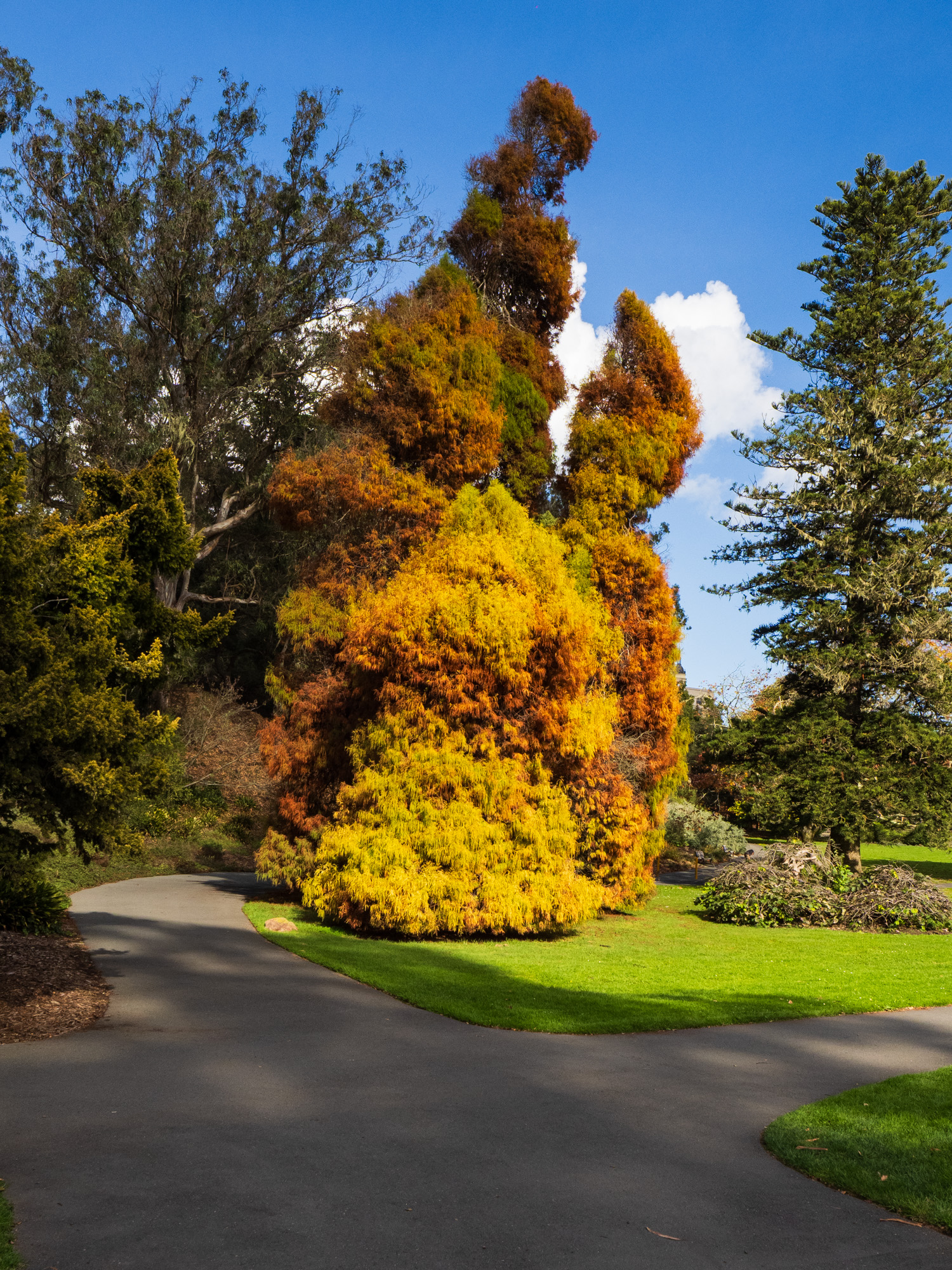
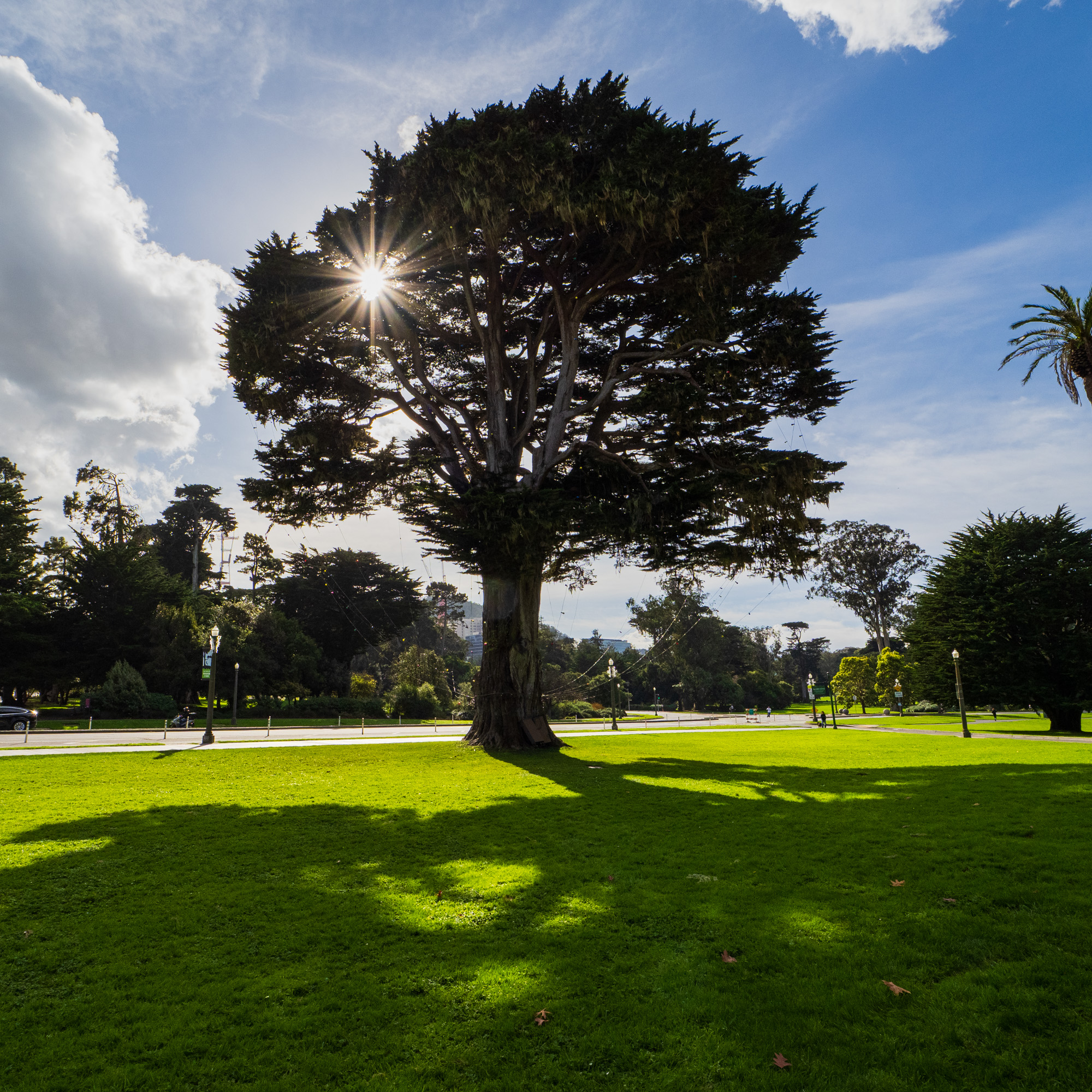
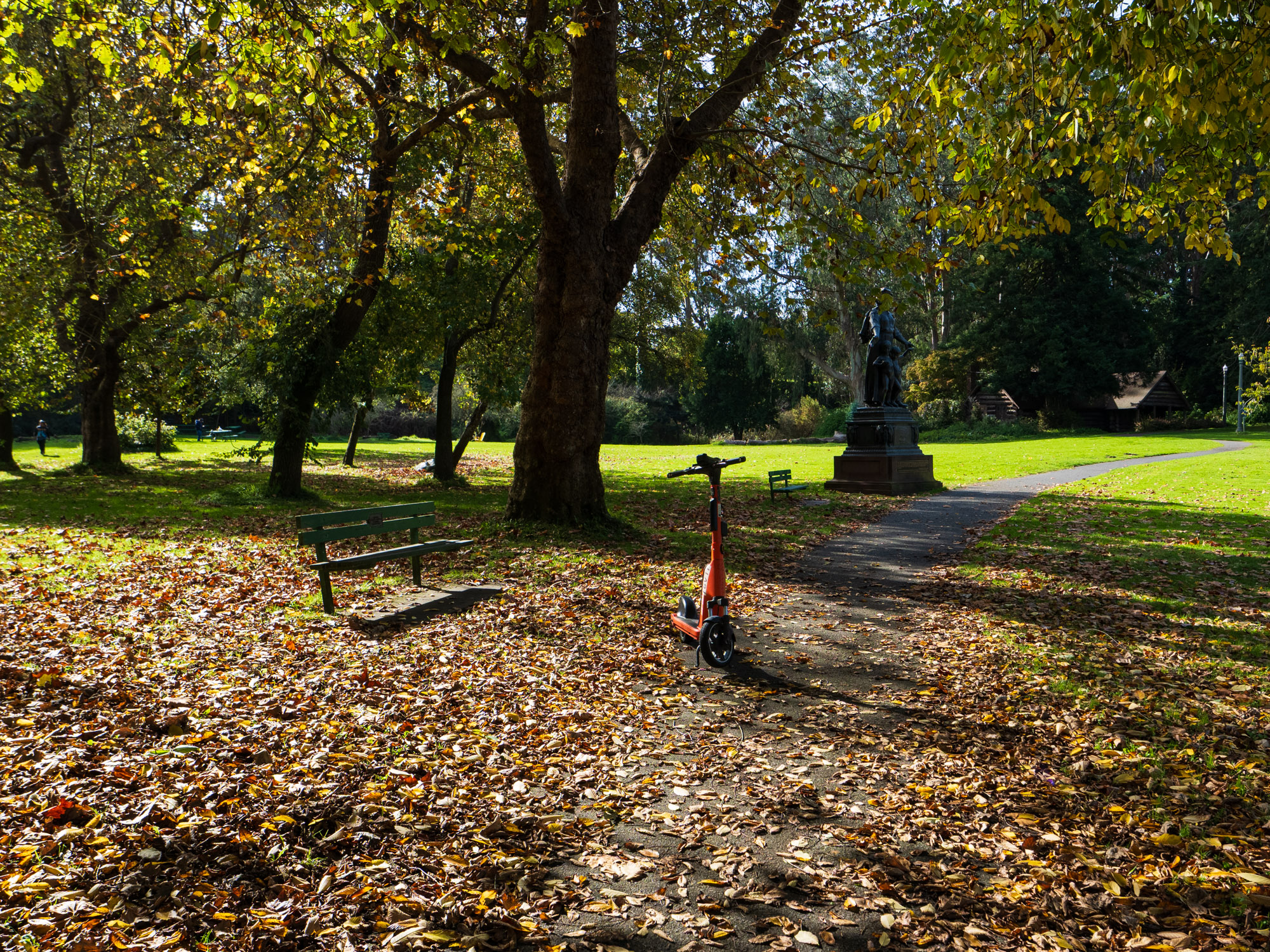
After weeks of heavy rain in the Bay Area, a sunny break drew me back to Golden Gate Park. I followed JFK Promenade past autumn trees, open lawns, and artwork, with stops at the Conservatory of Flowers and the water’s edge. The walk brought together the park’s familiar landmarks and some of its newest arrivals.
Golden Gate Park began in 1870 on windswept sand dunes. Surveyor and designer William Hammond Hall laid out the original landscape, turning the Outside Lands into a public park. Walking beneath the mature trees today, it is difficult to picture the exposed ground where that work began.
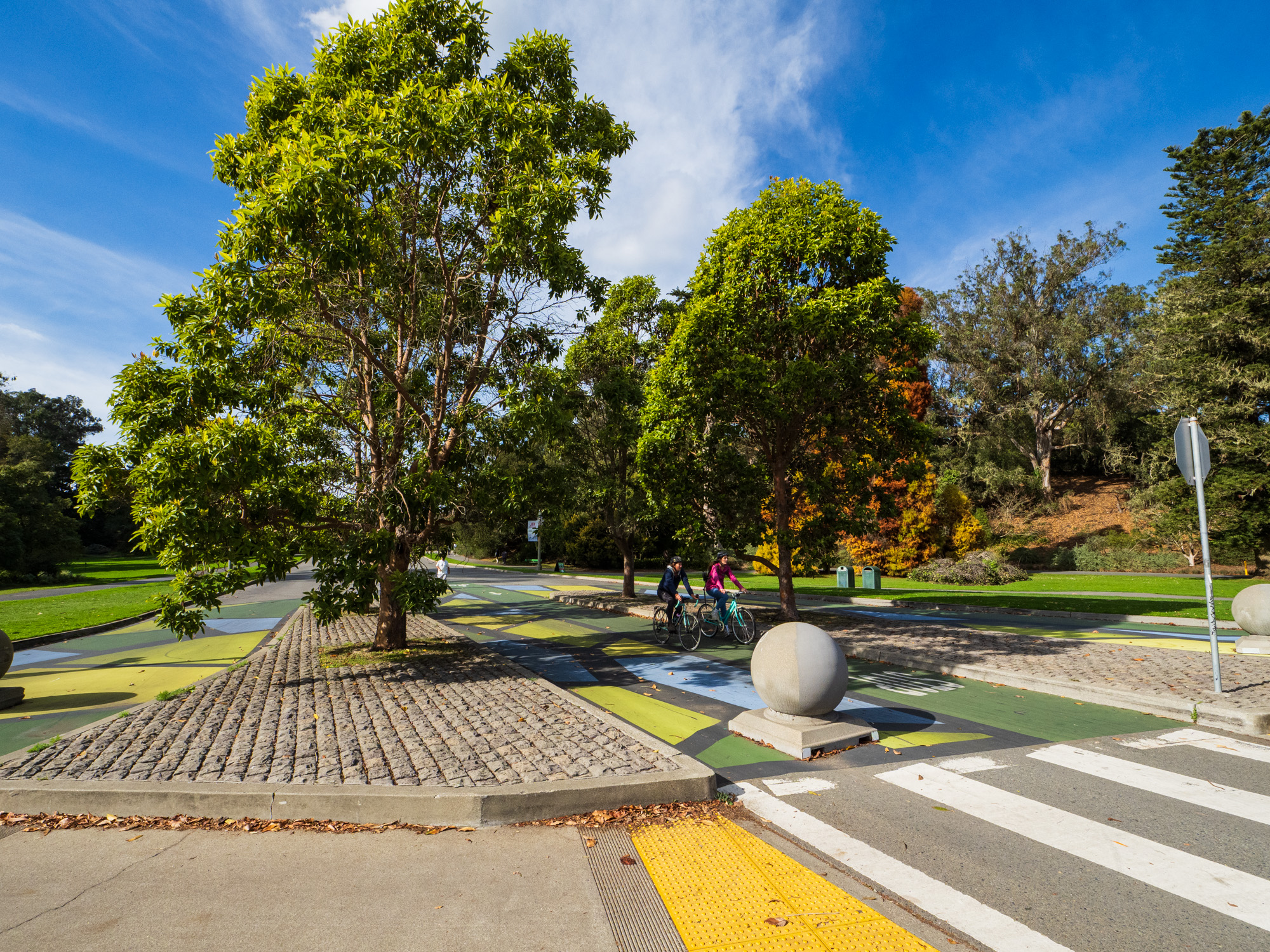
JFK Promenade and the Big Art Loop
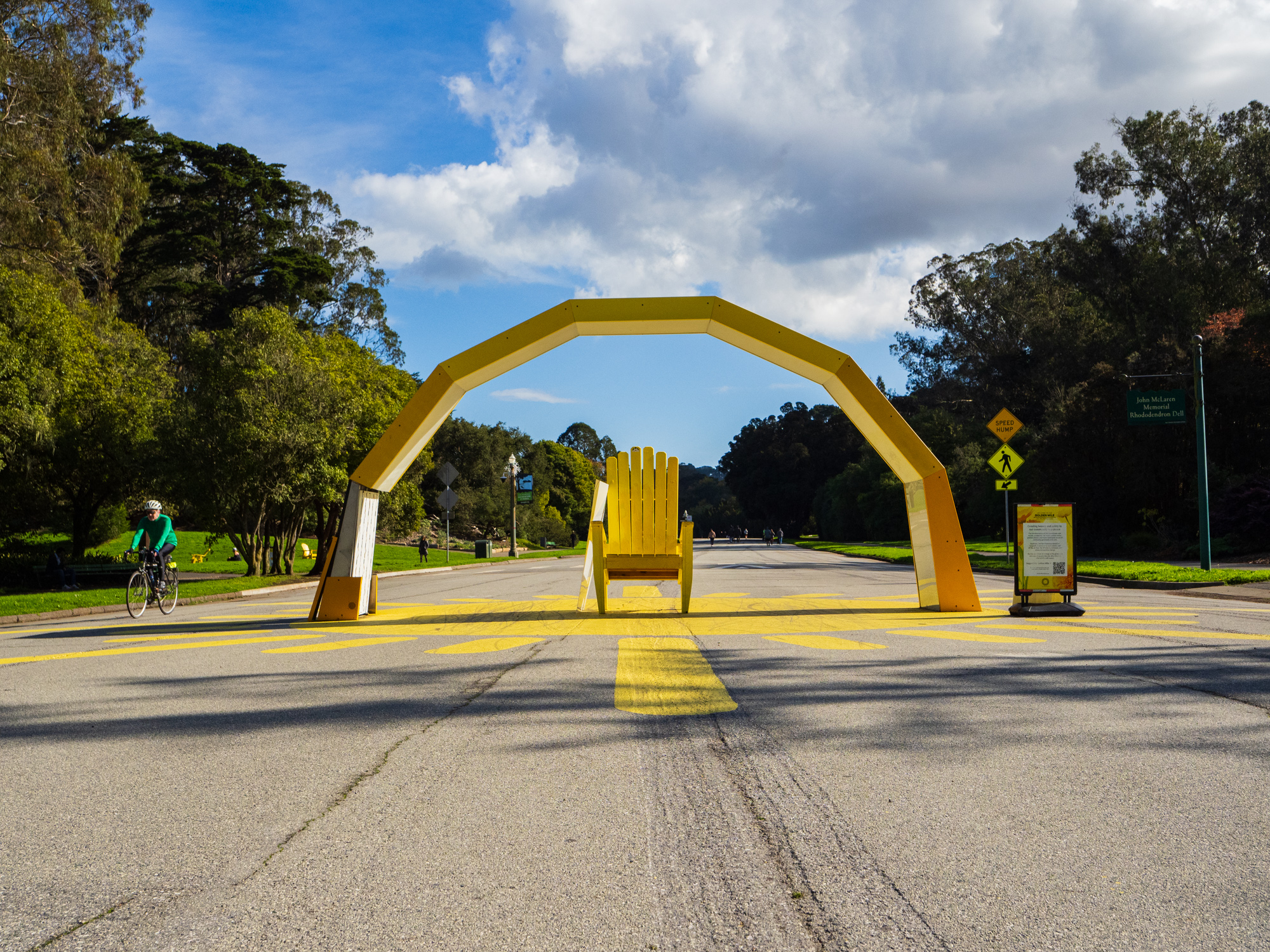
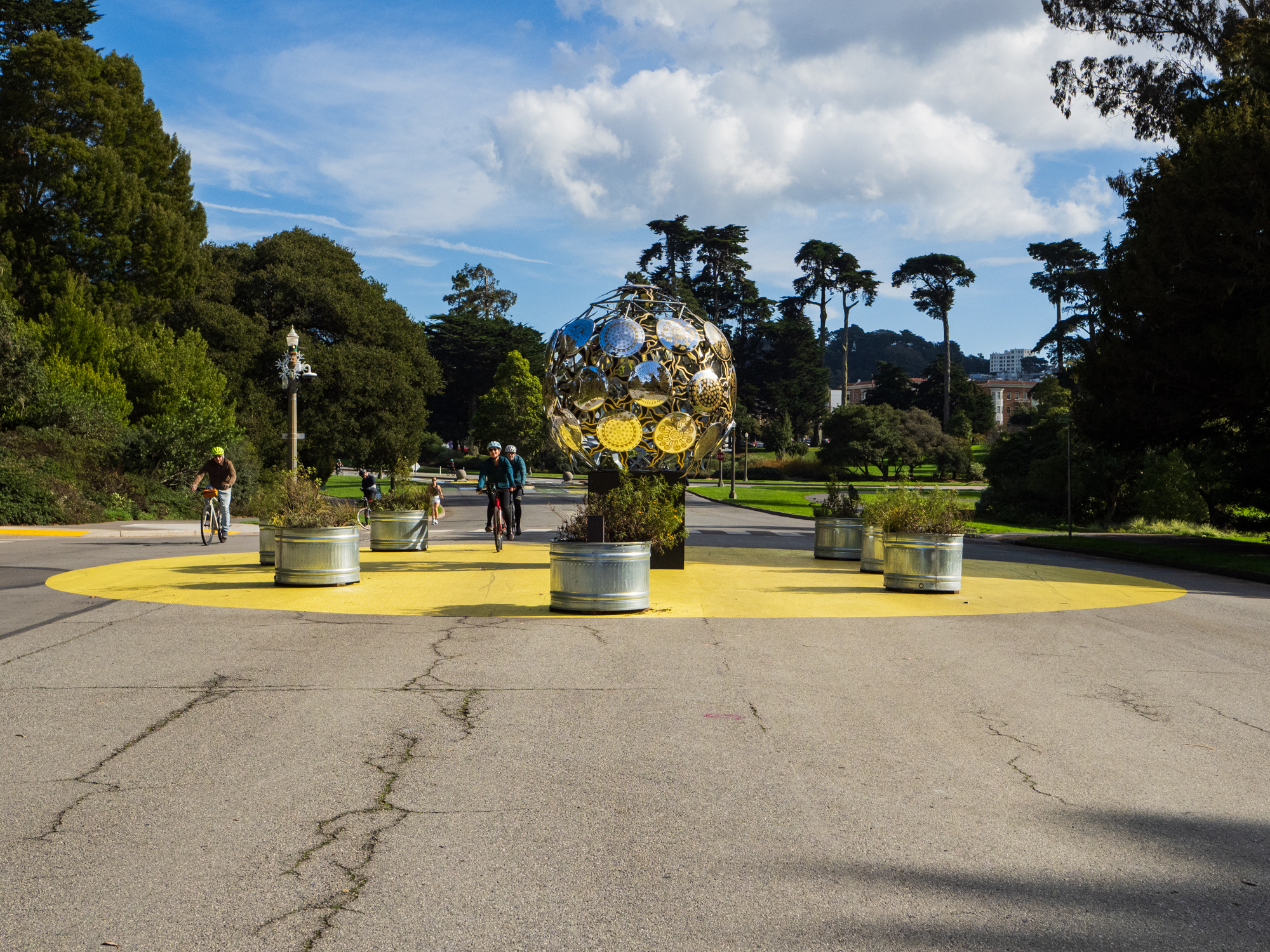
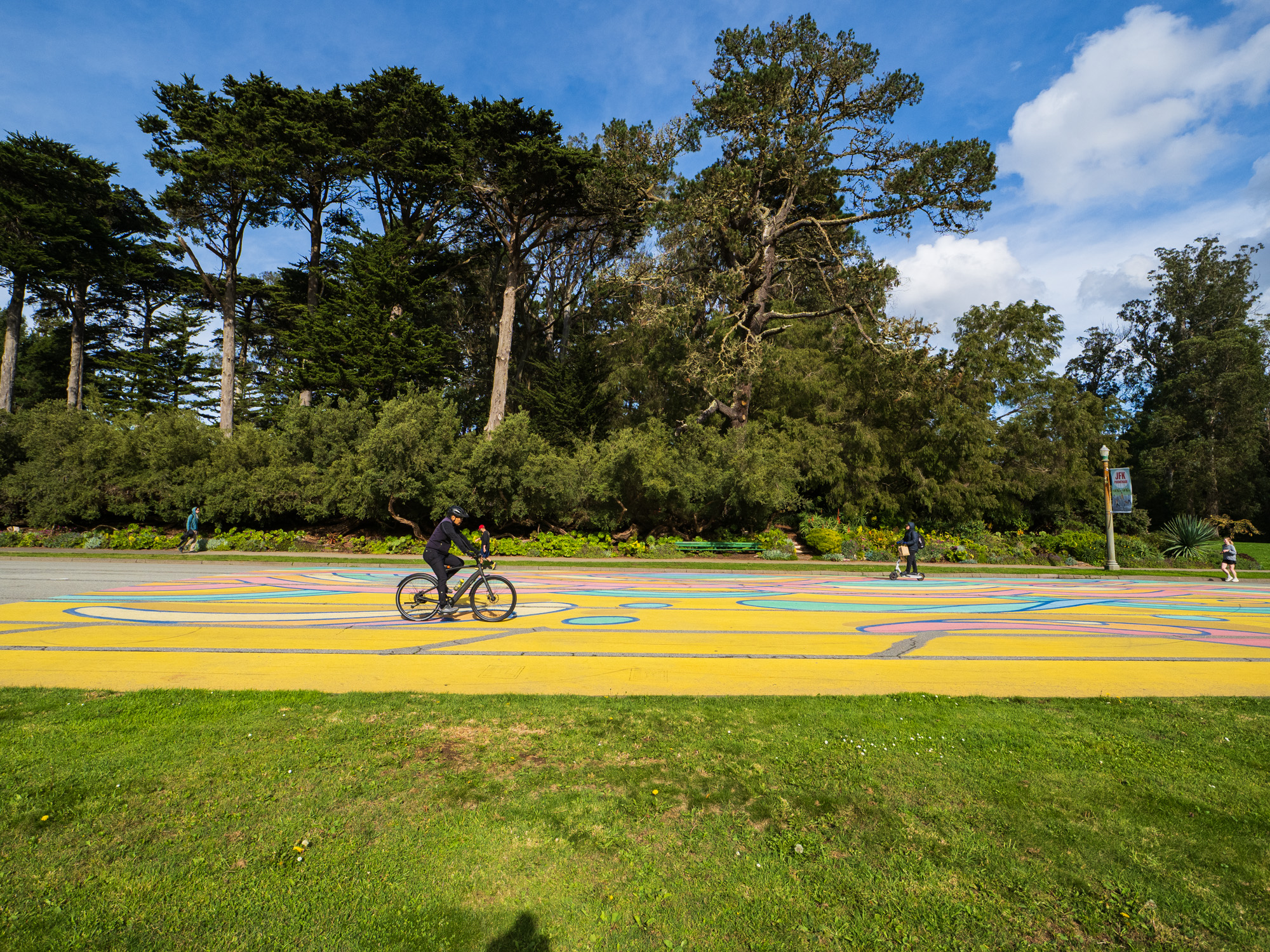
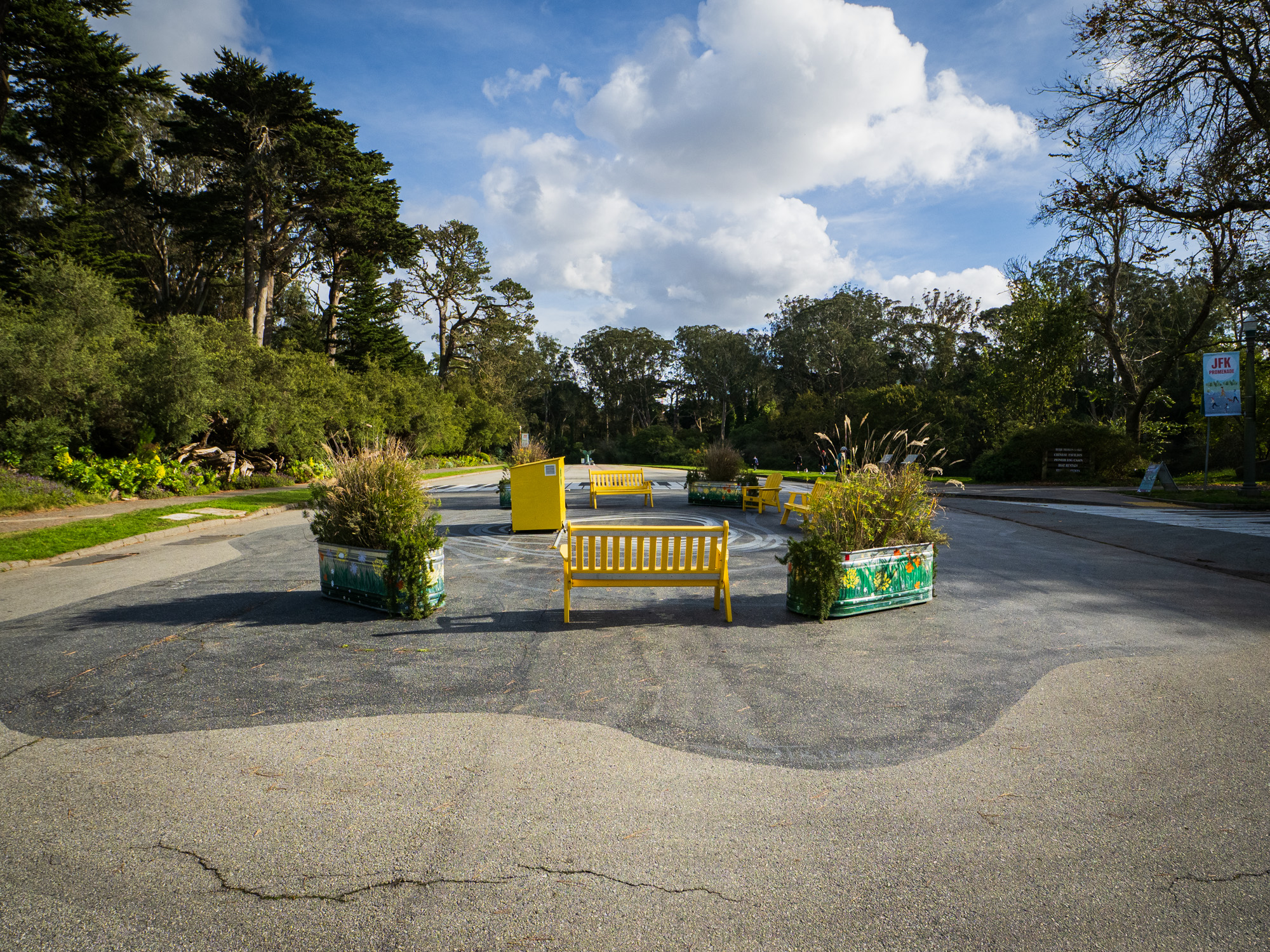
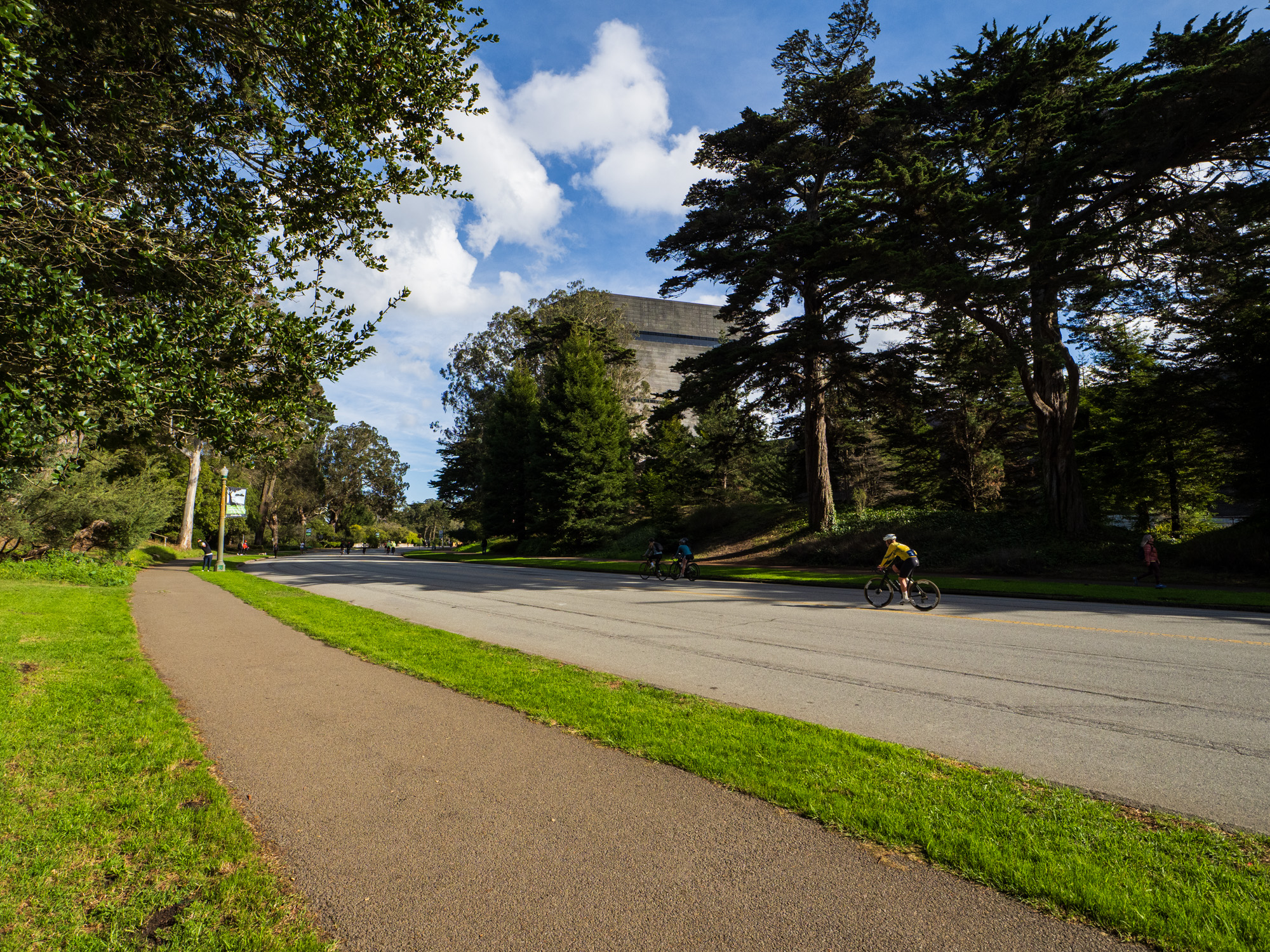
JFK Drive closed to through traffic in April 2020 during the pandemic. The Board of Supervisors approved a permanent car-free promenade in April 2022, and voters reaffirmed that decision that November. The road has become a place to walk, cycle, pause, and spend time among the trees.
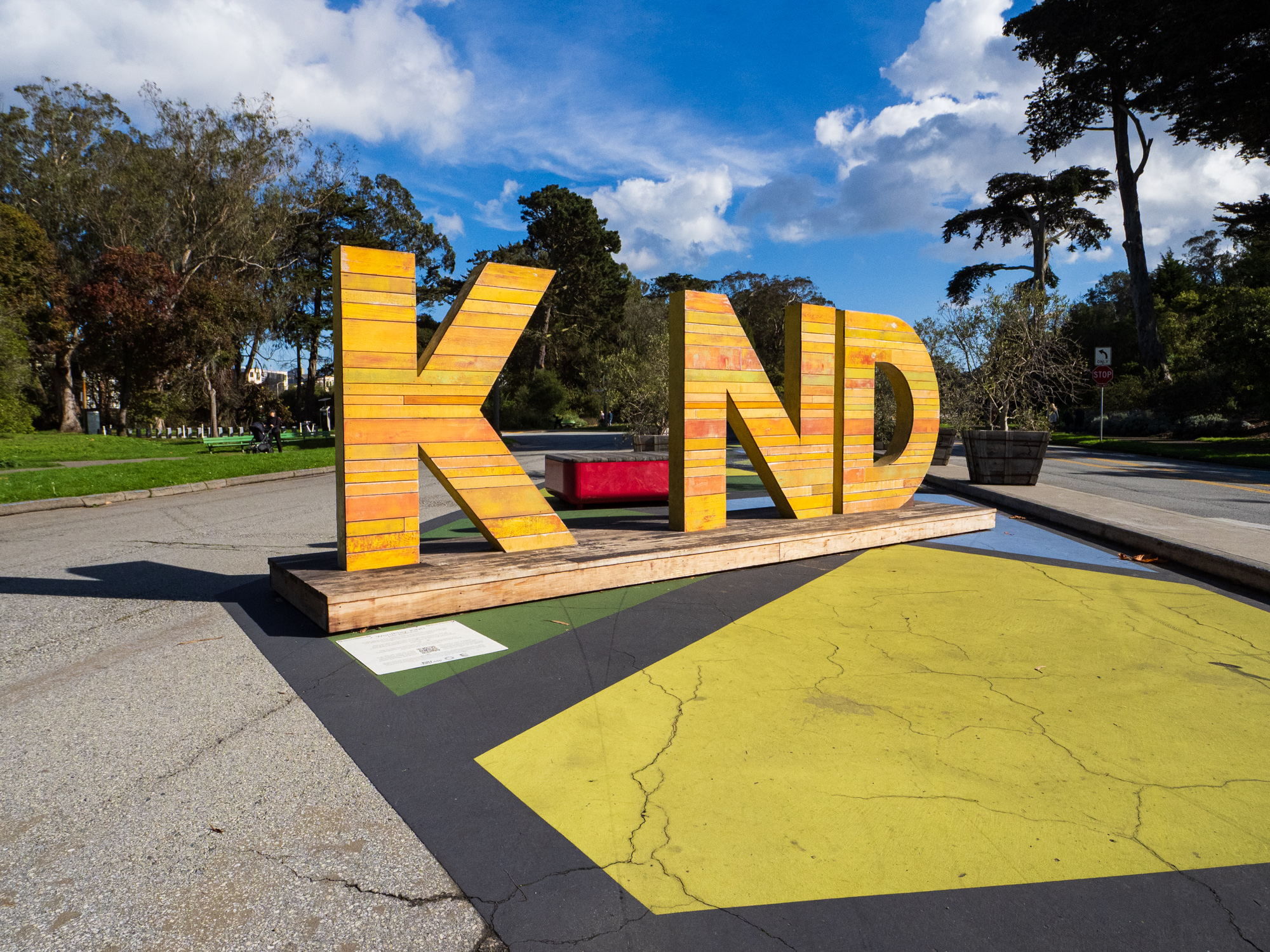
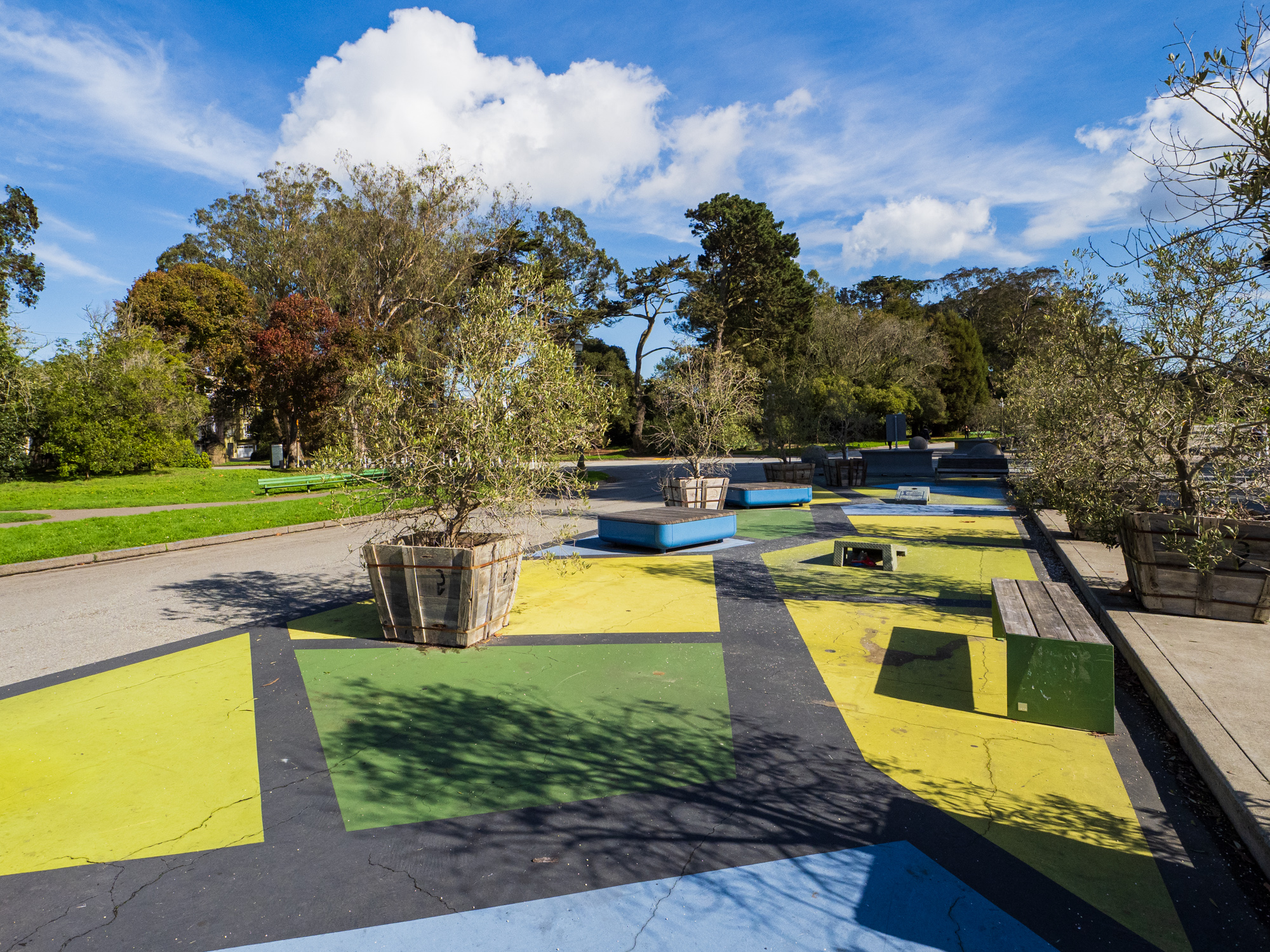
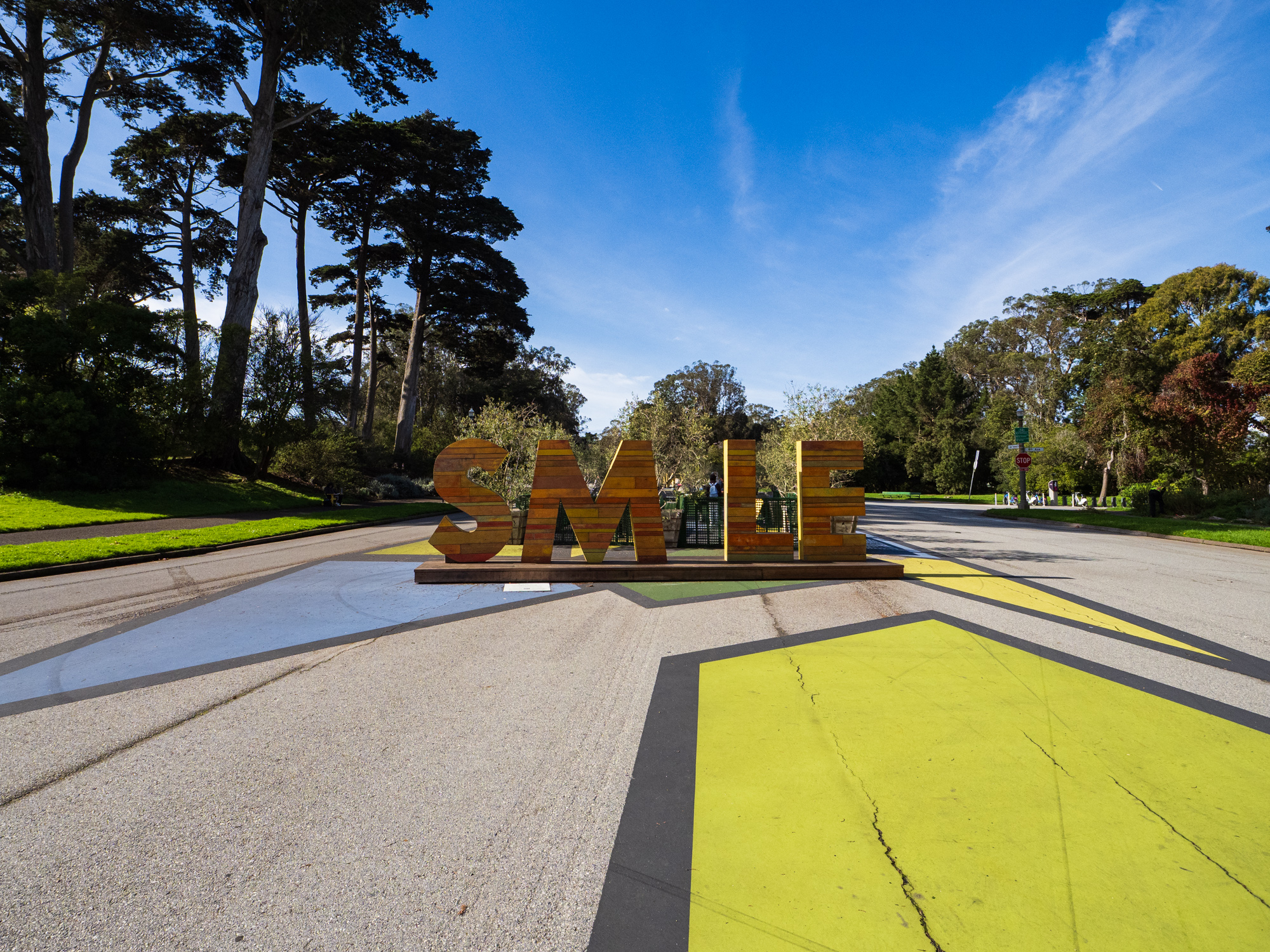
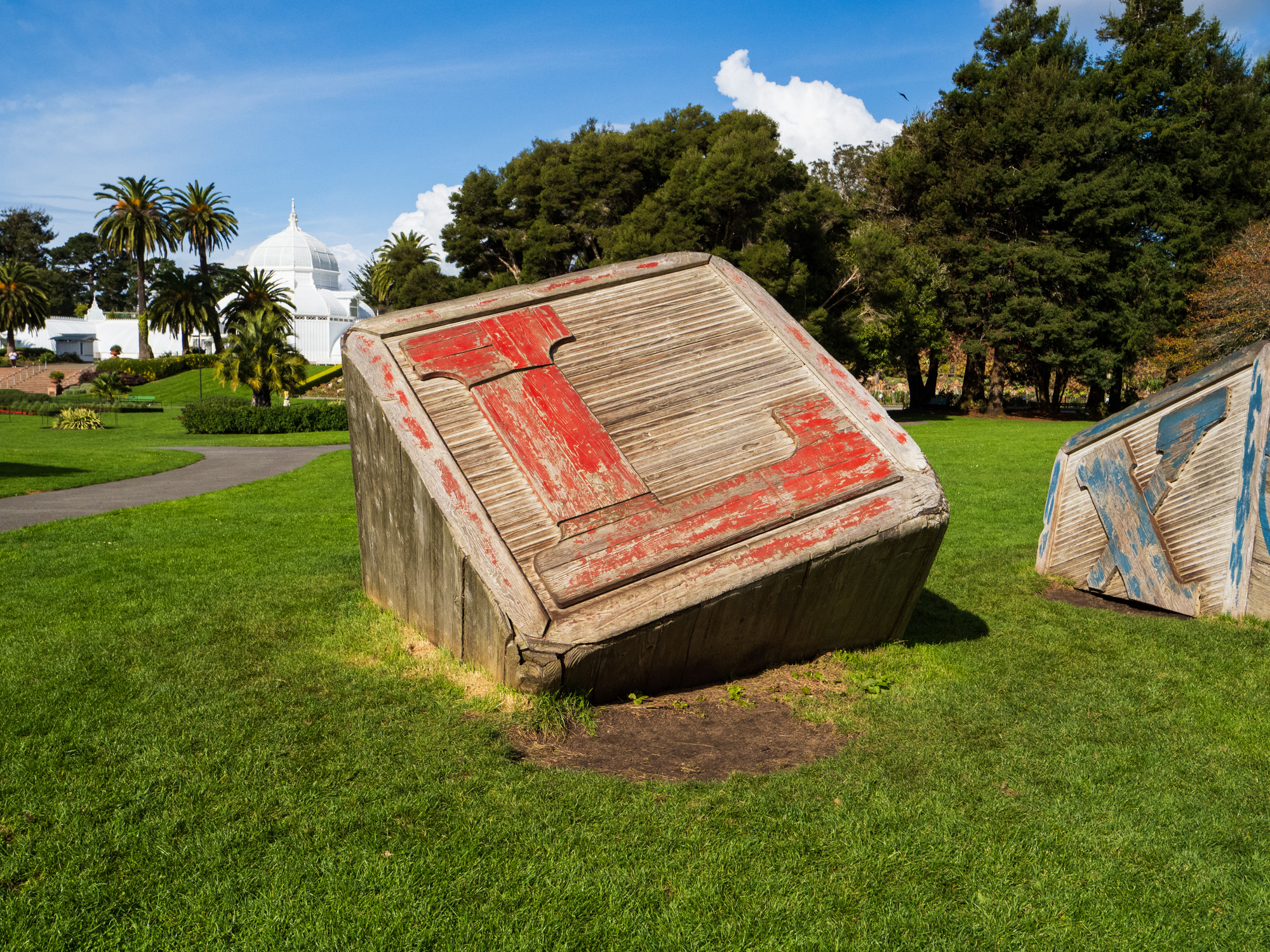
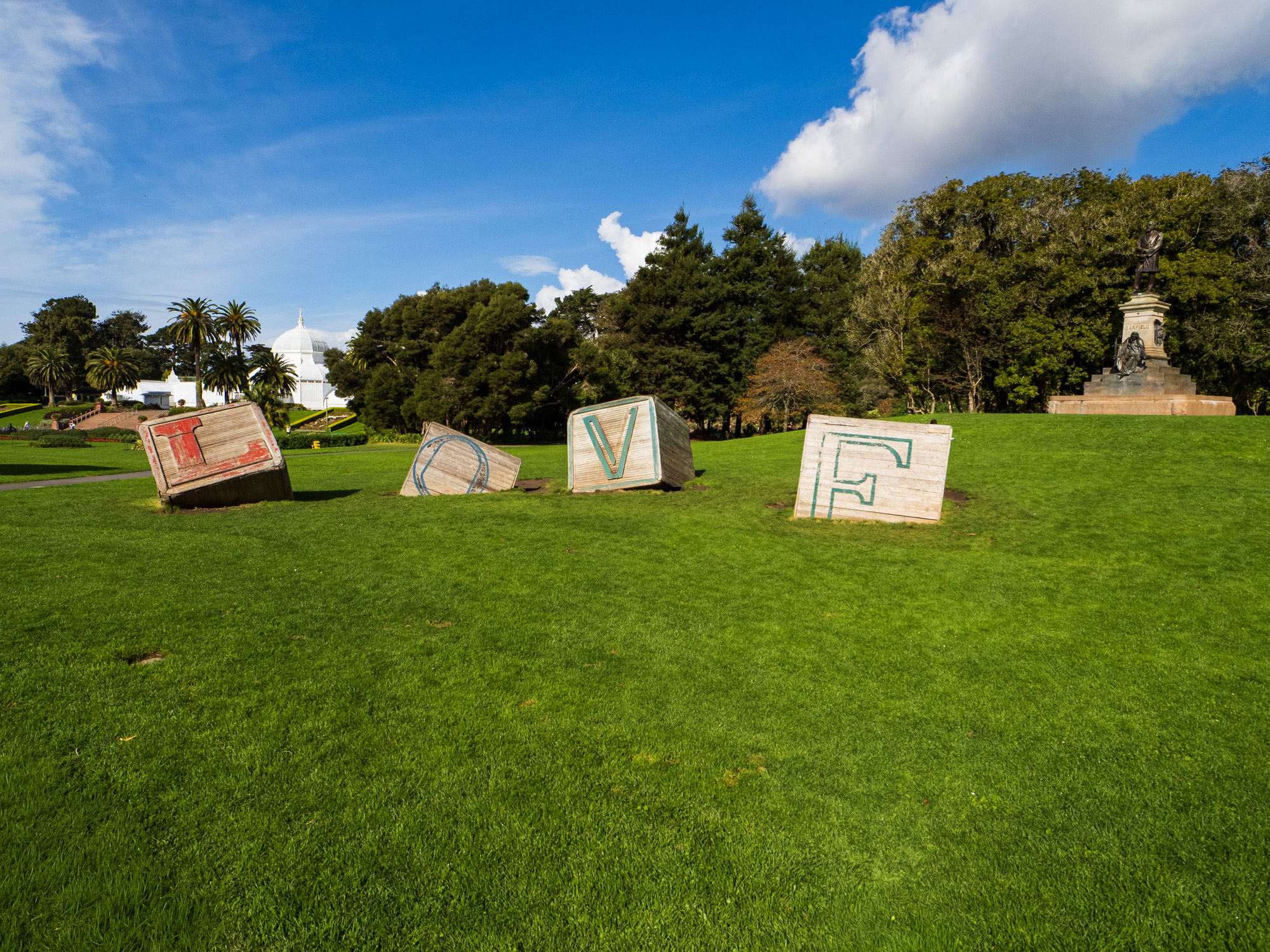
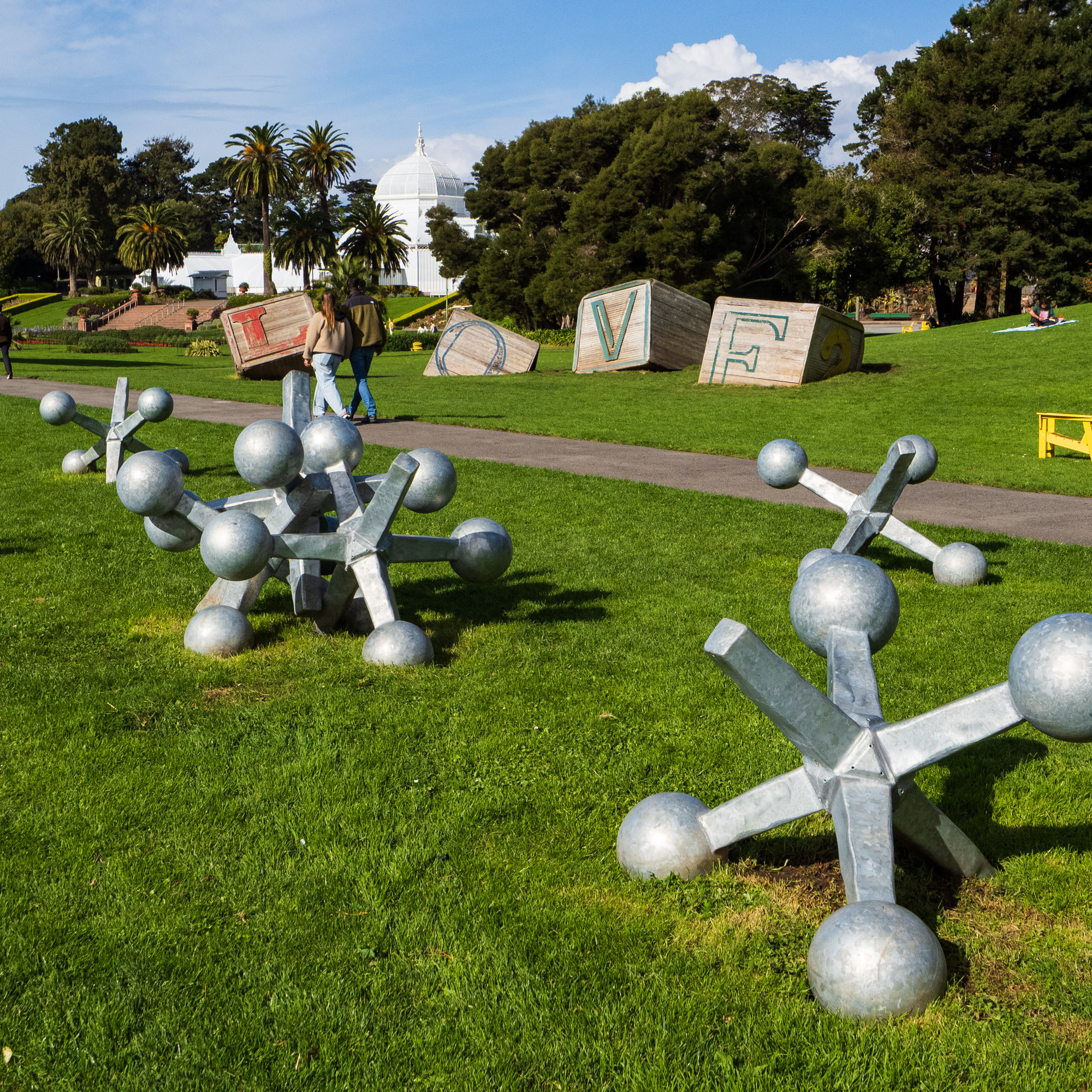
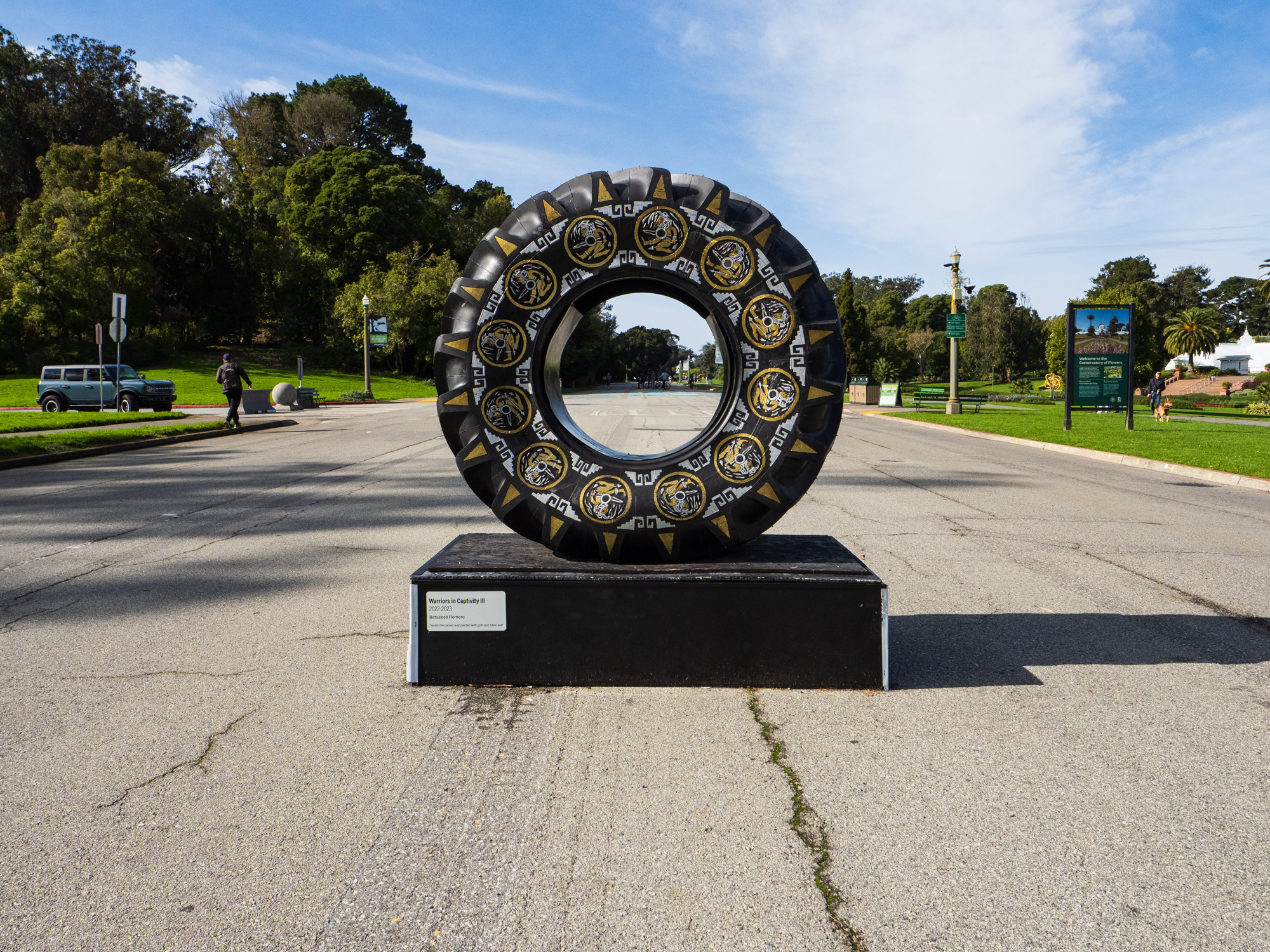
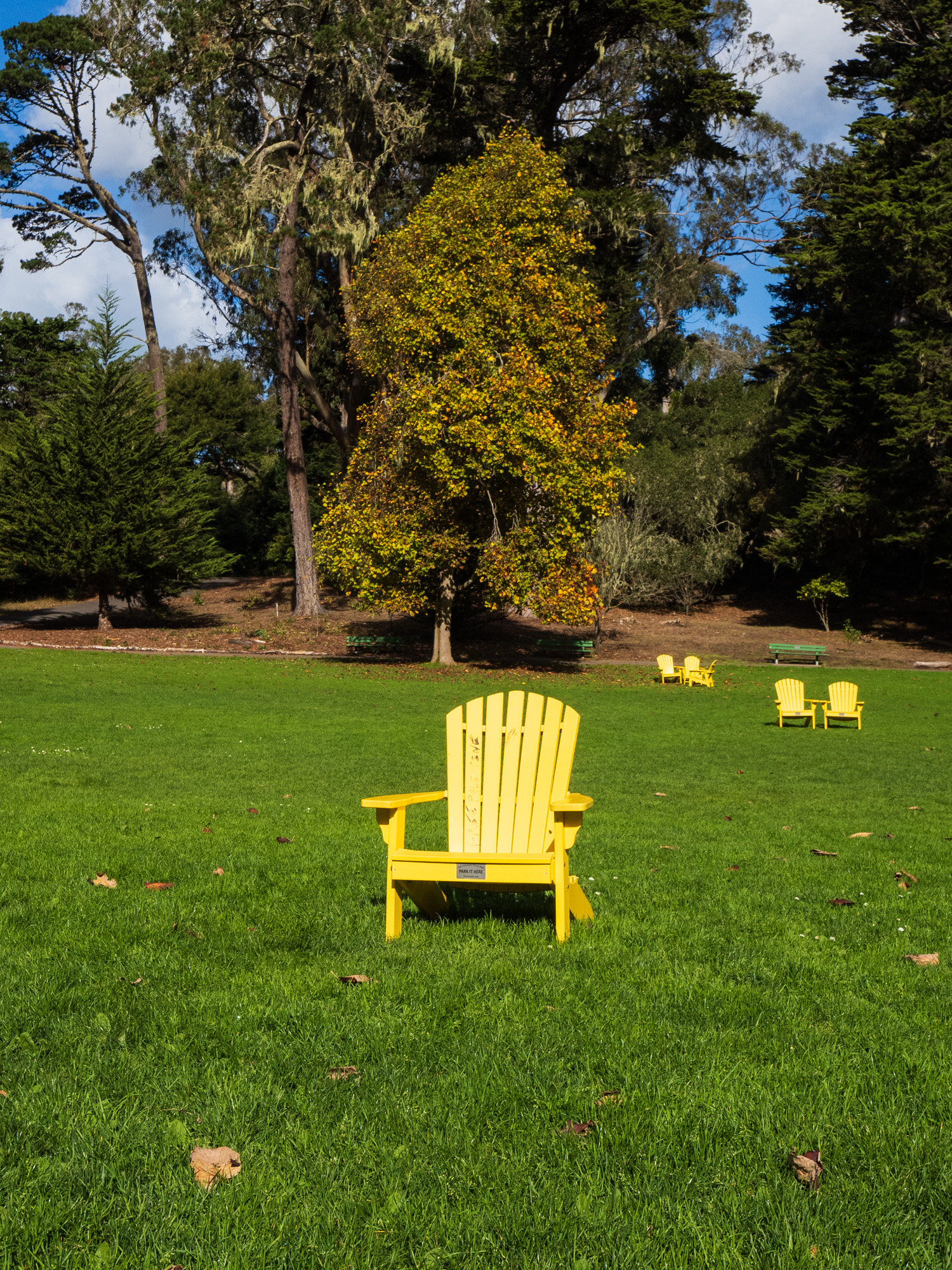
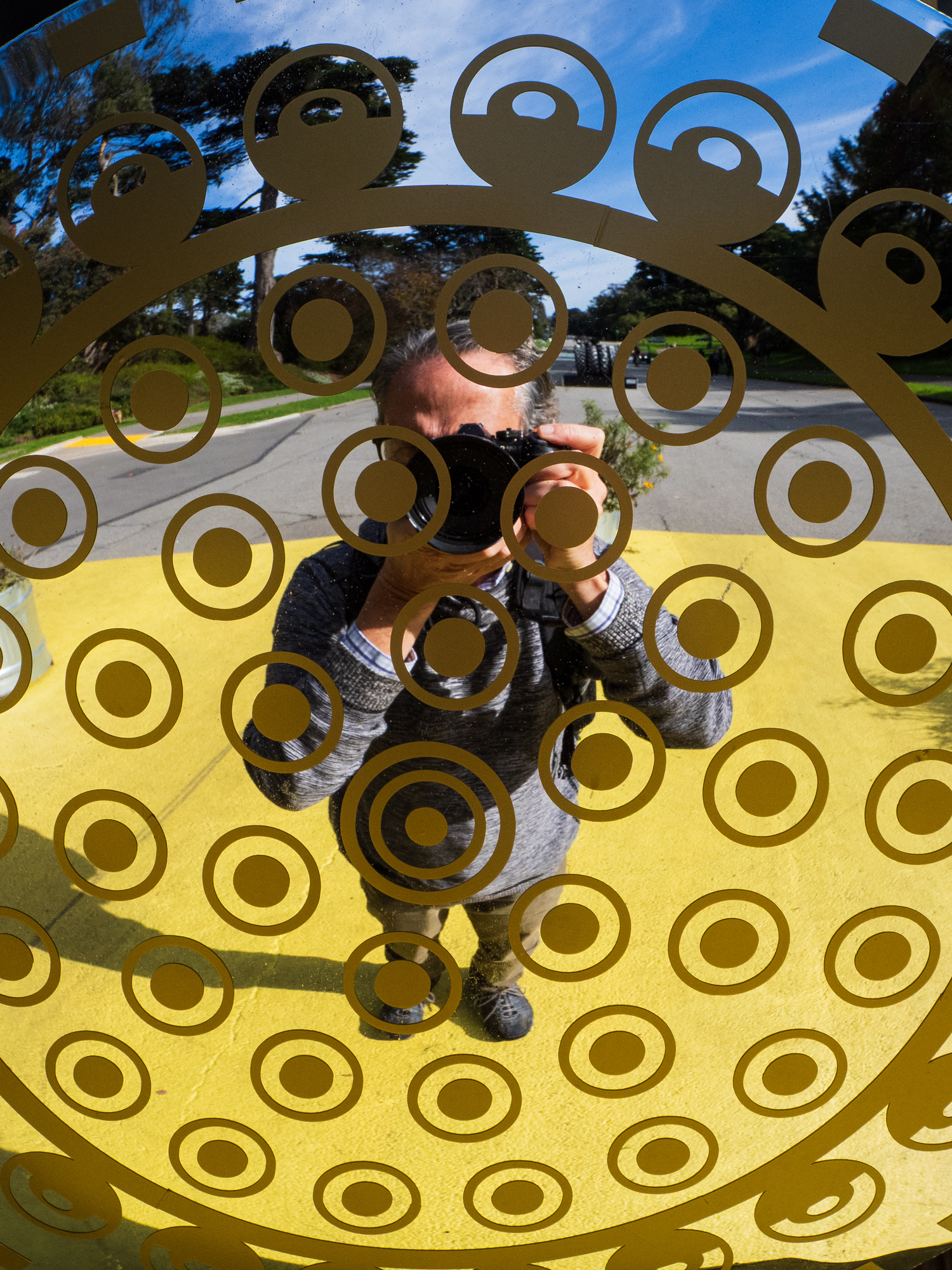
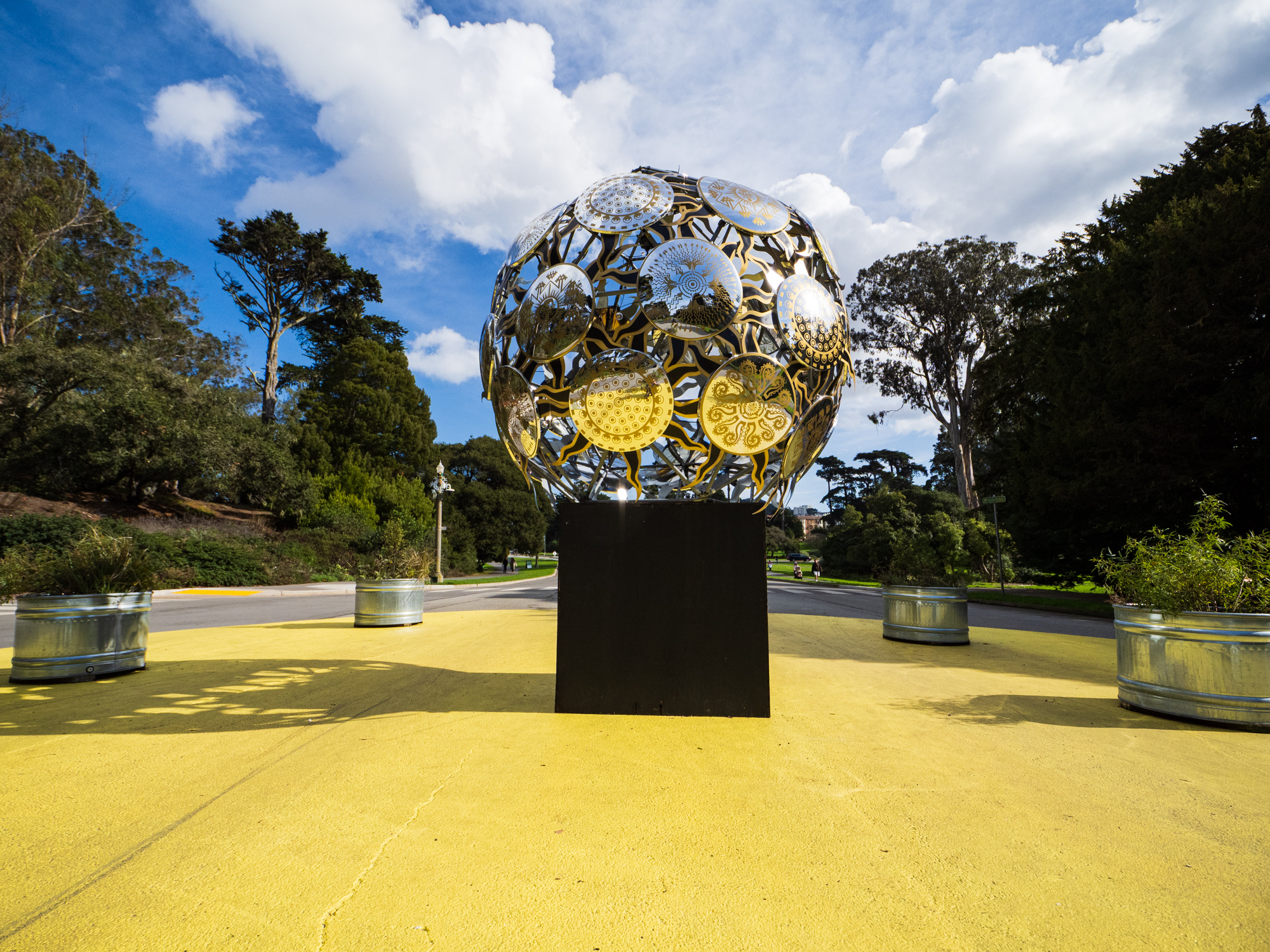
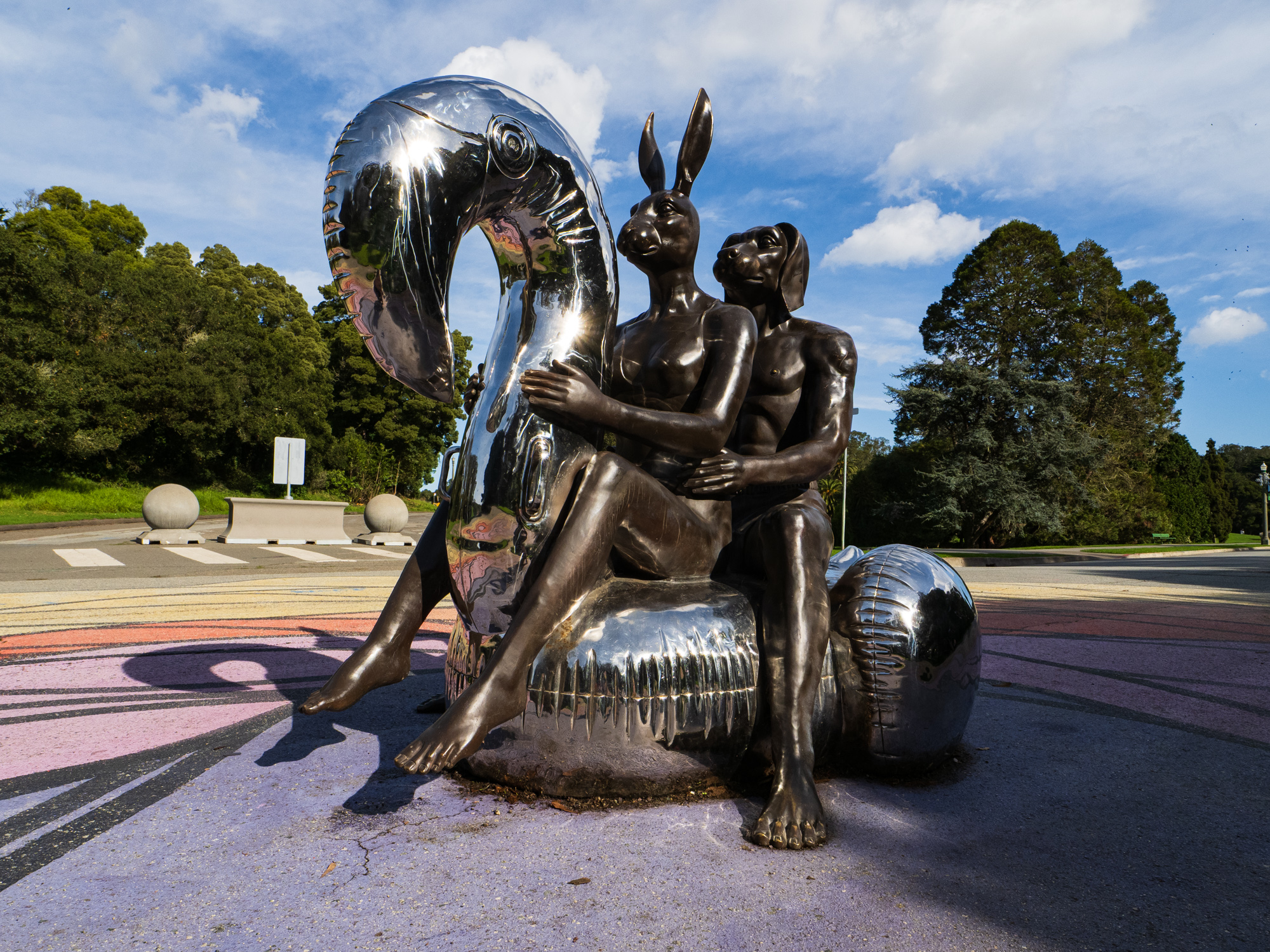
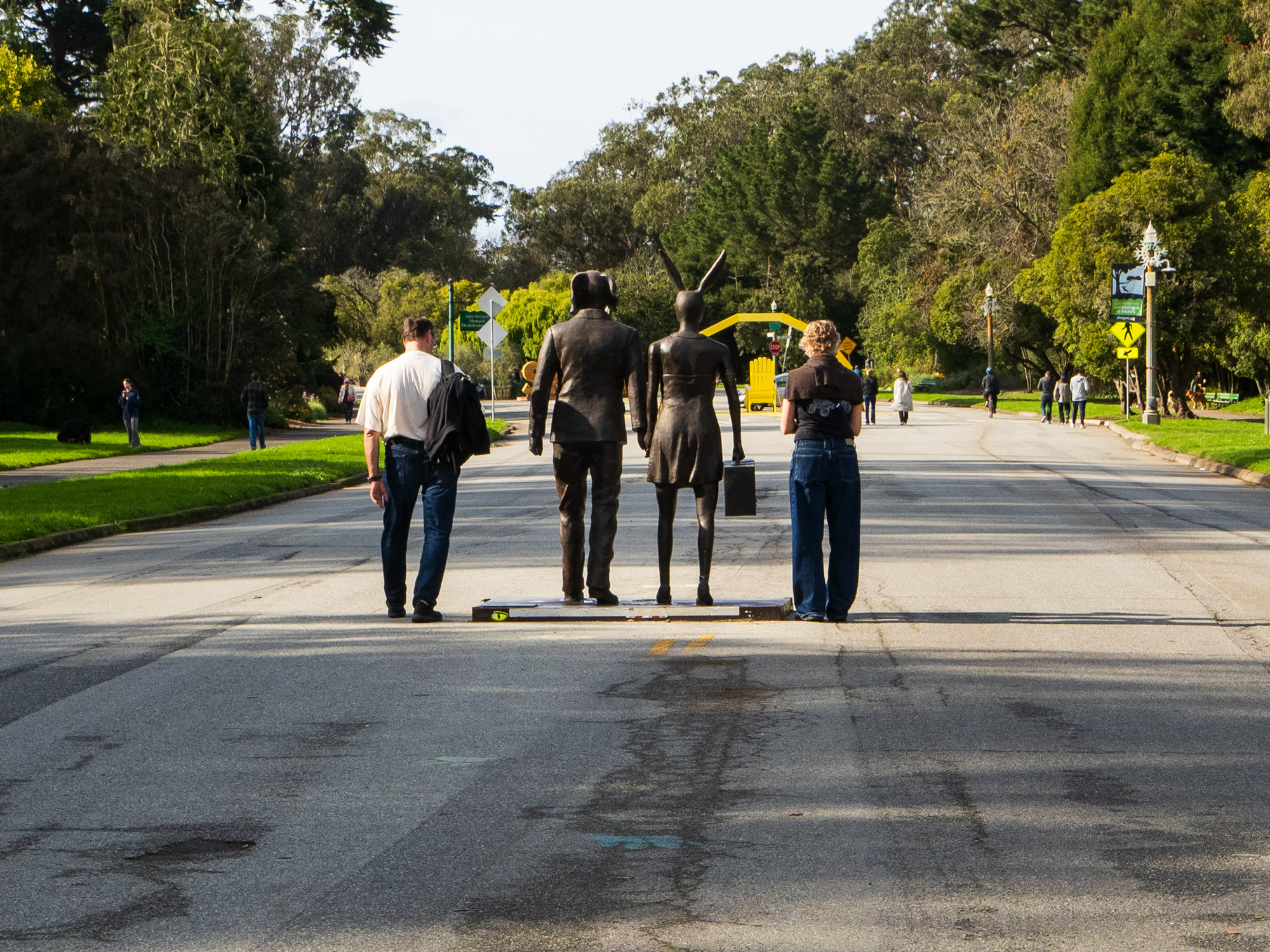
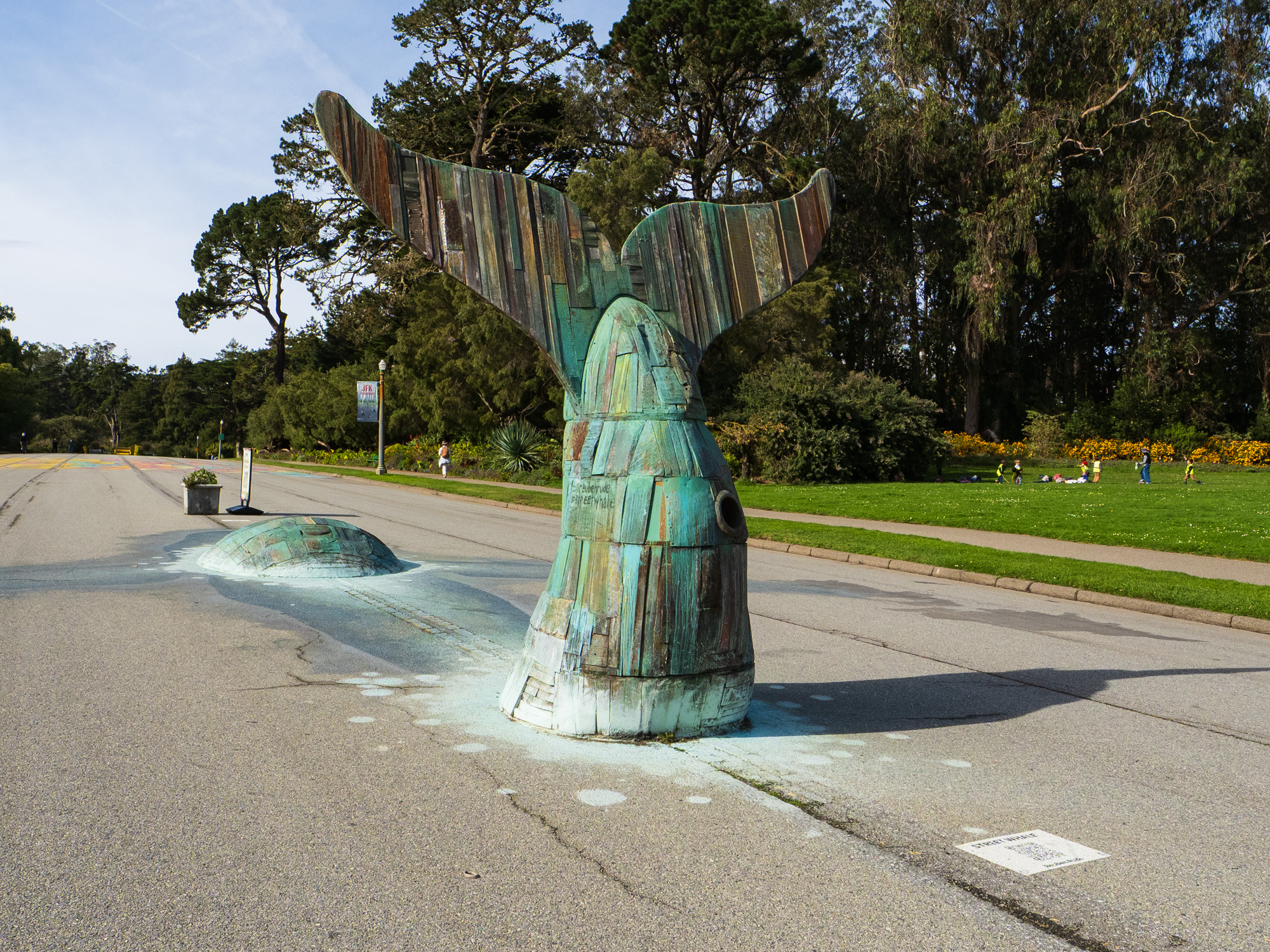
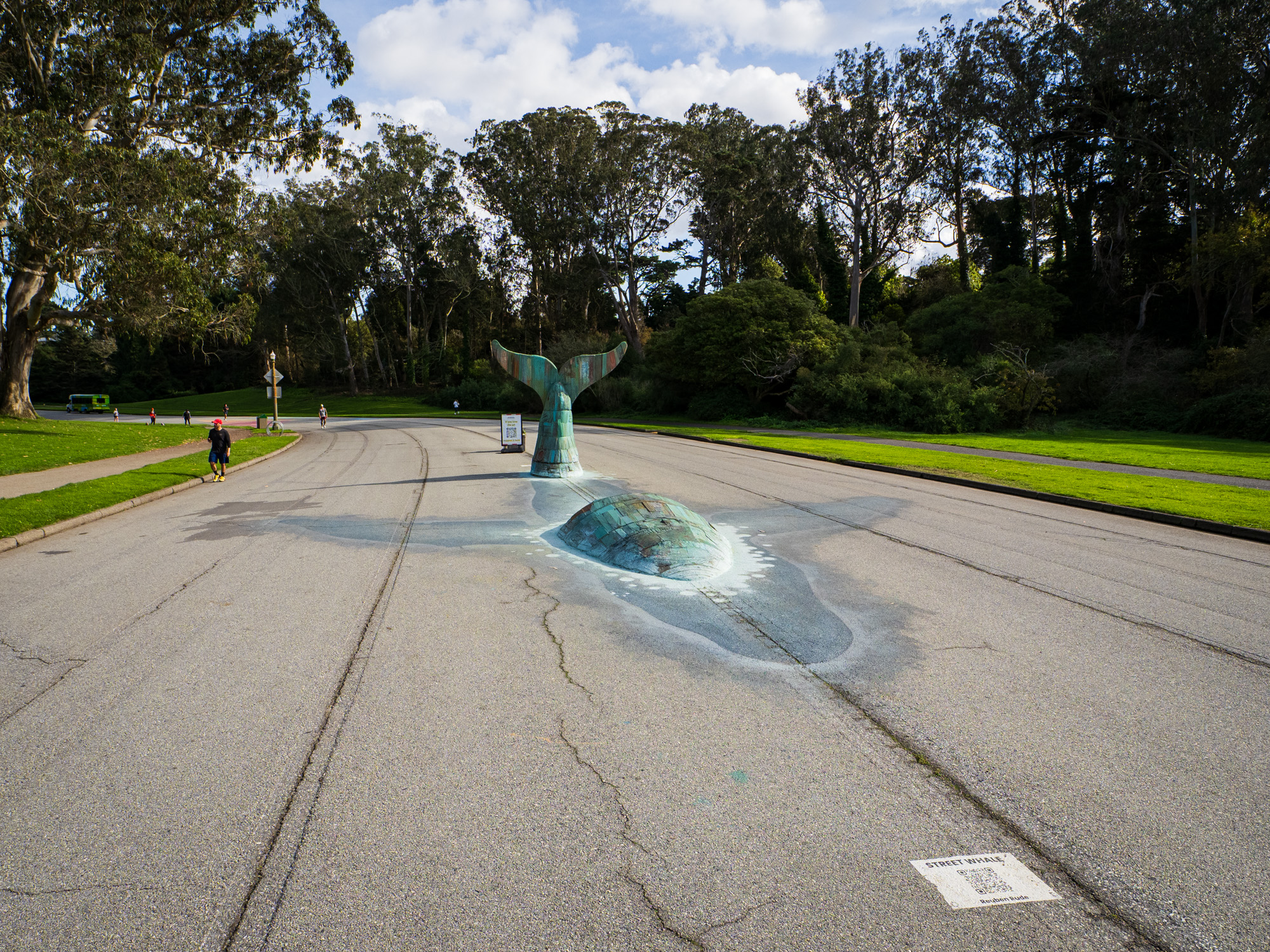
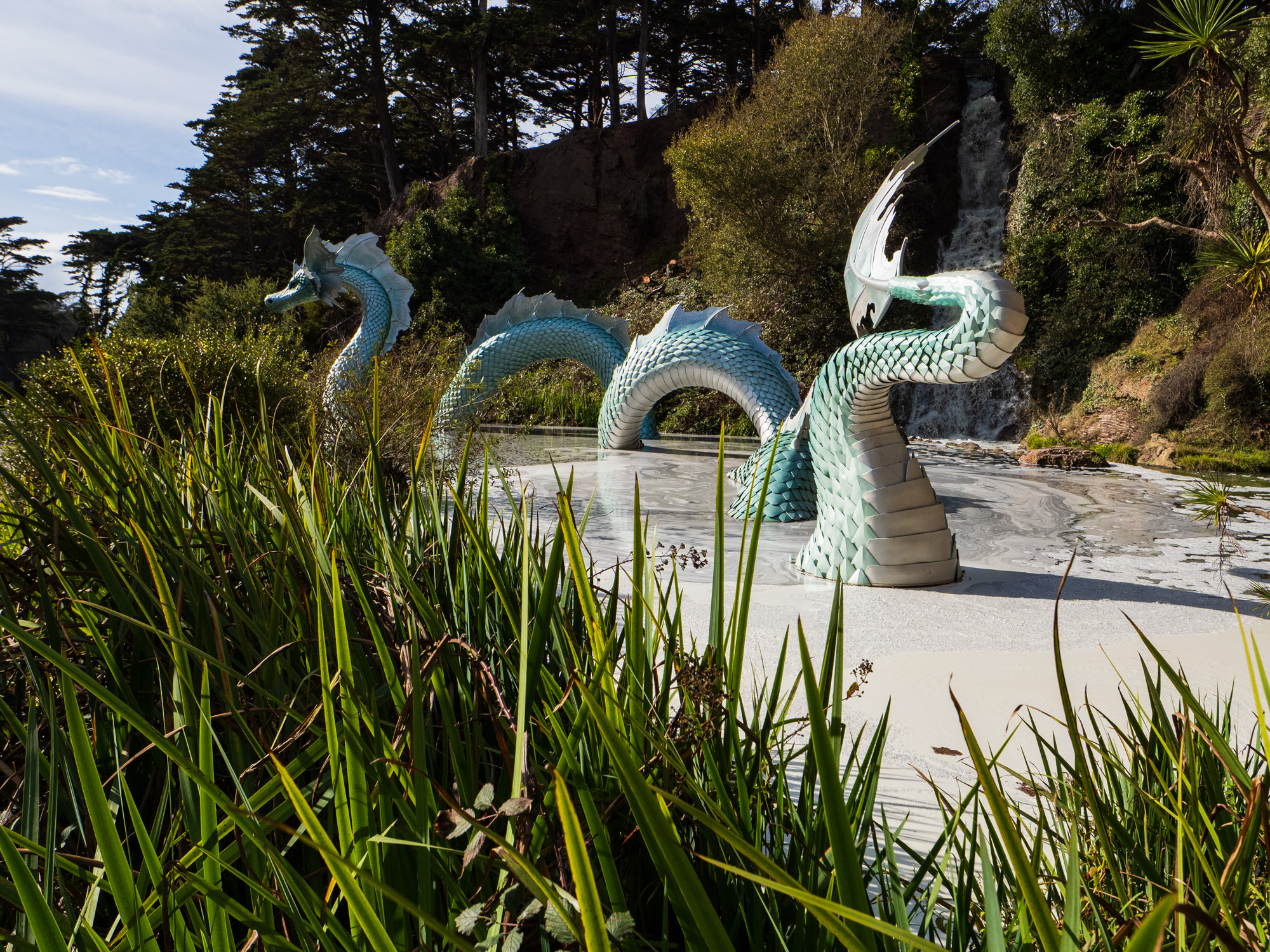
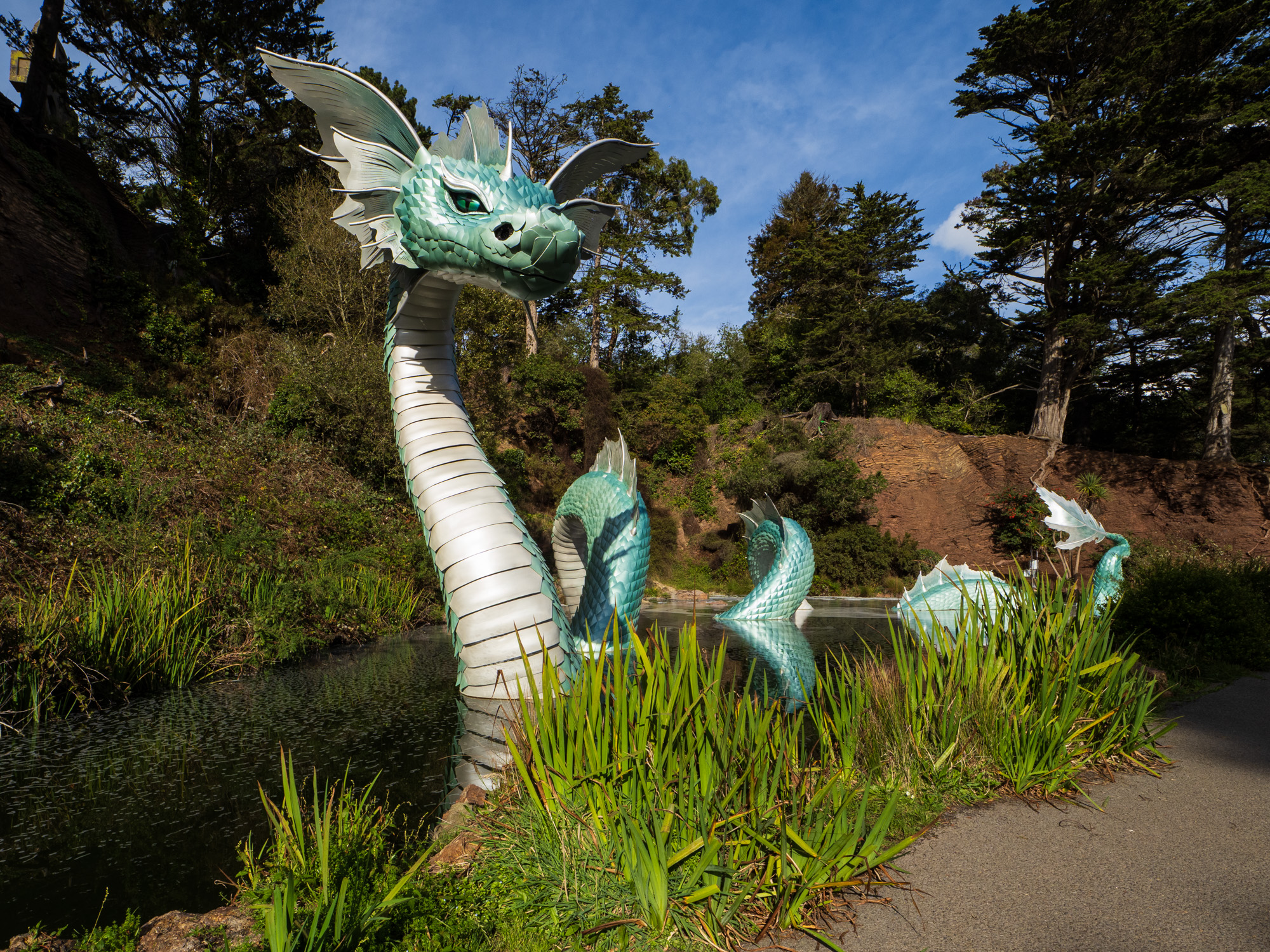
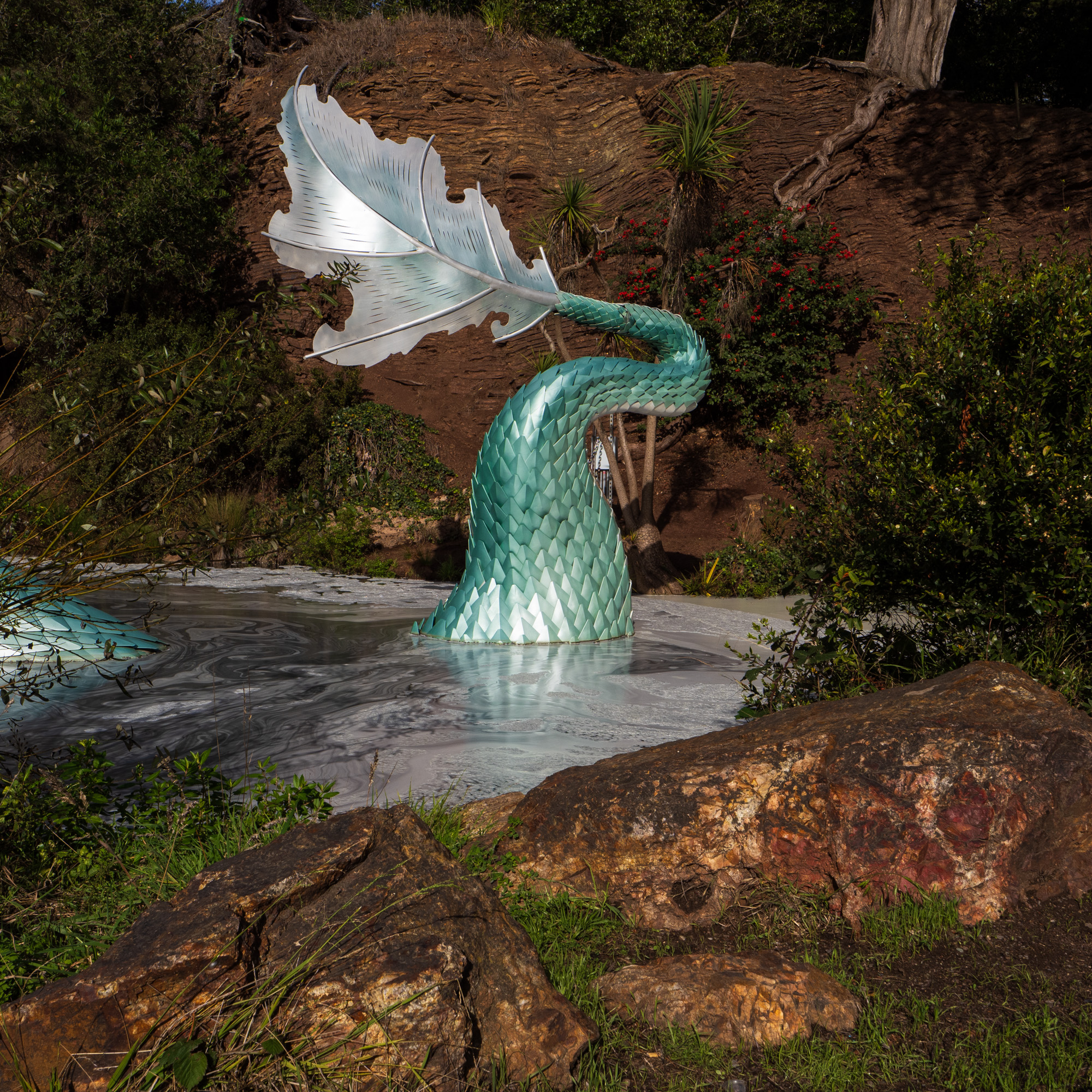
The Big Art Loop brings temporary, large-scale sculptures to public spaces along a 34-mile route through San Francisco, including Golden Gate Park. Its installations change over time, giving familiar stretches of the park something new to discover. Along this walk, oversized jacks, reflective forms, figures, and a winding sea serpent shared the landscape with the promenade’s painted pavement and bright yellow seating.
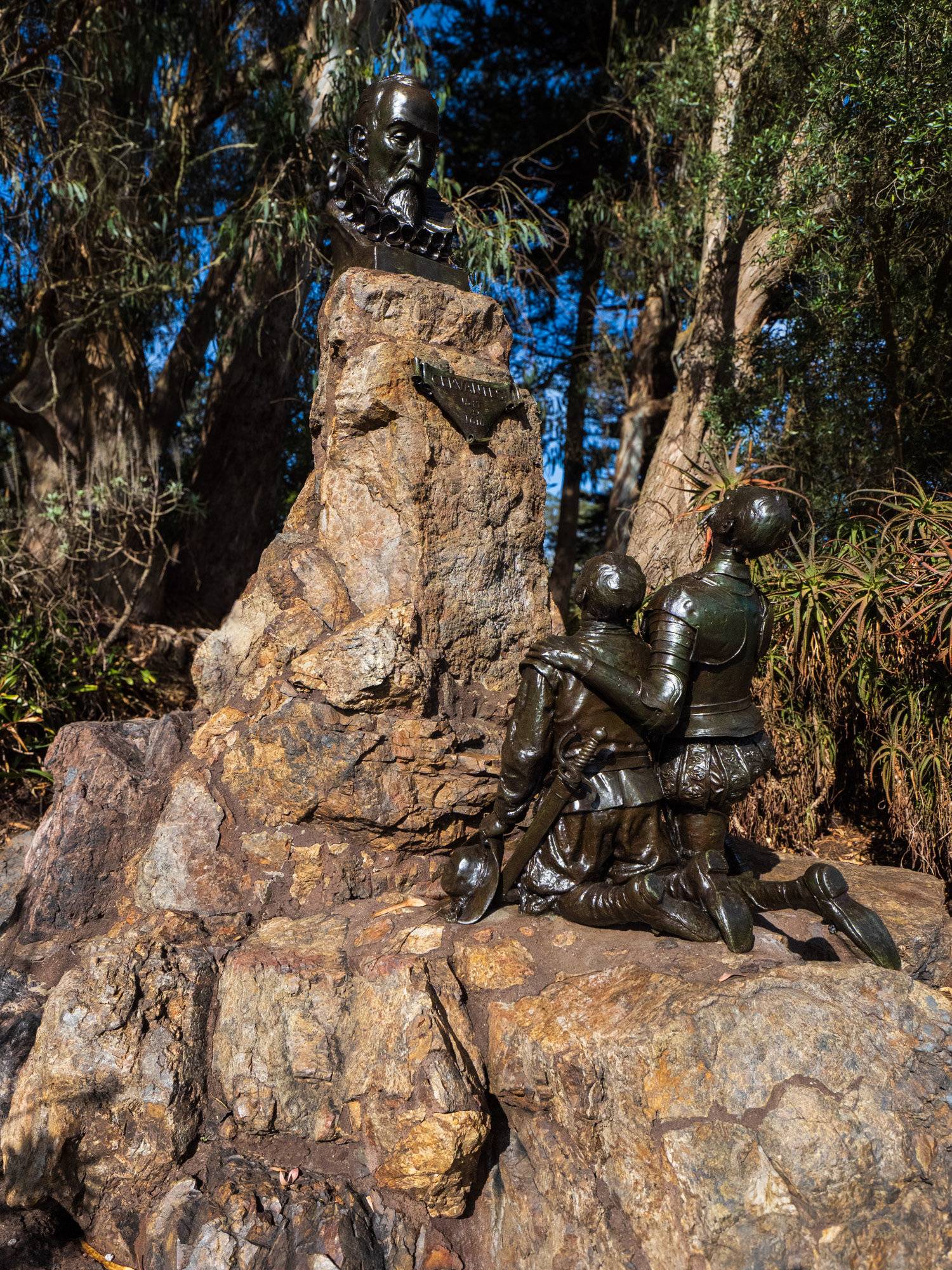
These photographs bring together the Big Art Loop artworks and the other public art encountered along JFK Promenade. Moving between the pieces, I kept returning to the way sunlight, clouds, and surrounding trees changed their surfaces and silhouettes.
The Conservatory of Flowers
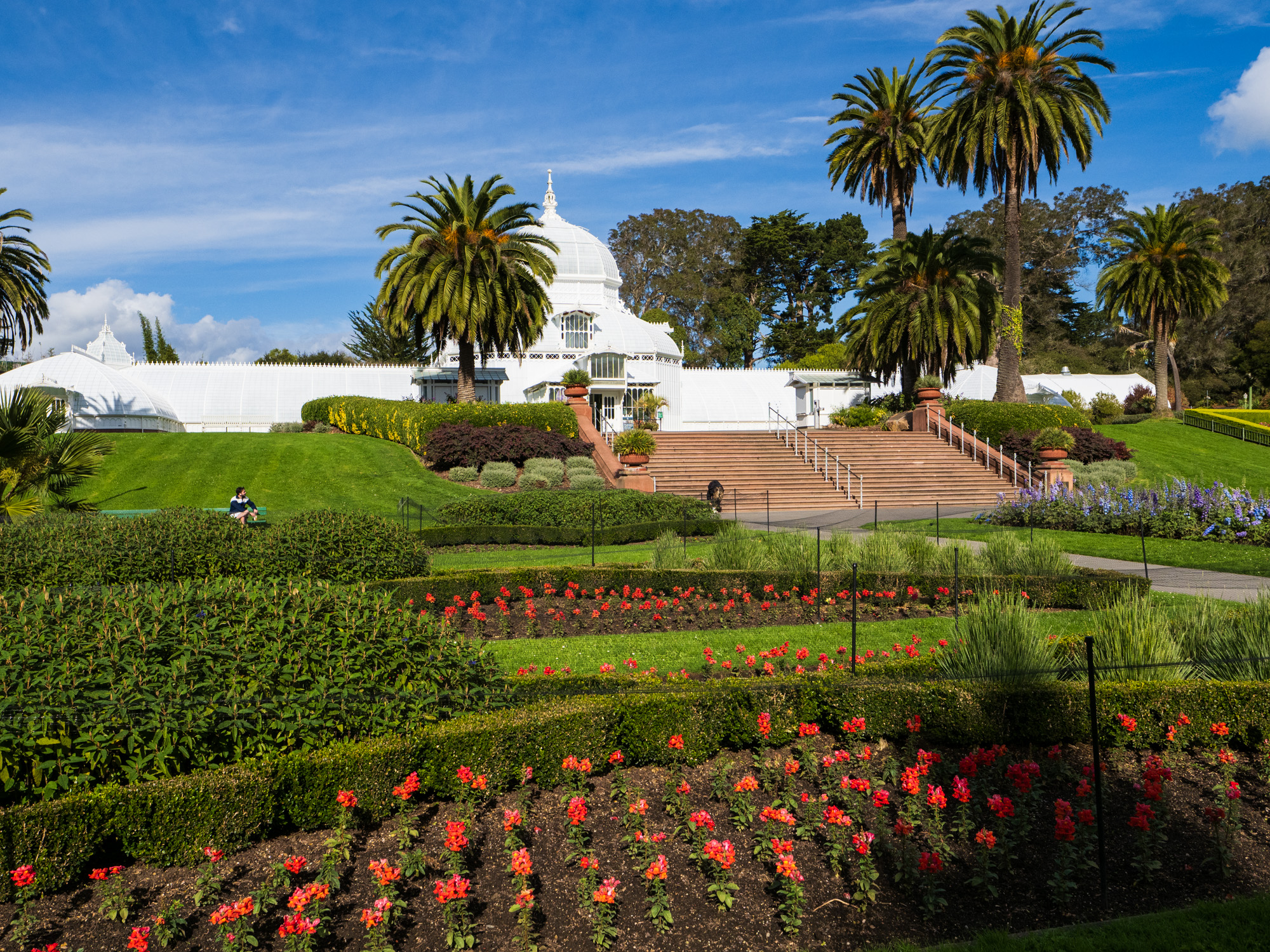
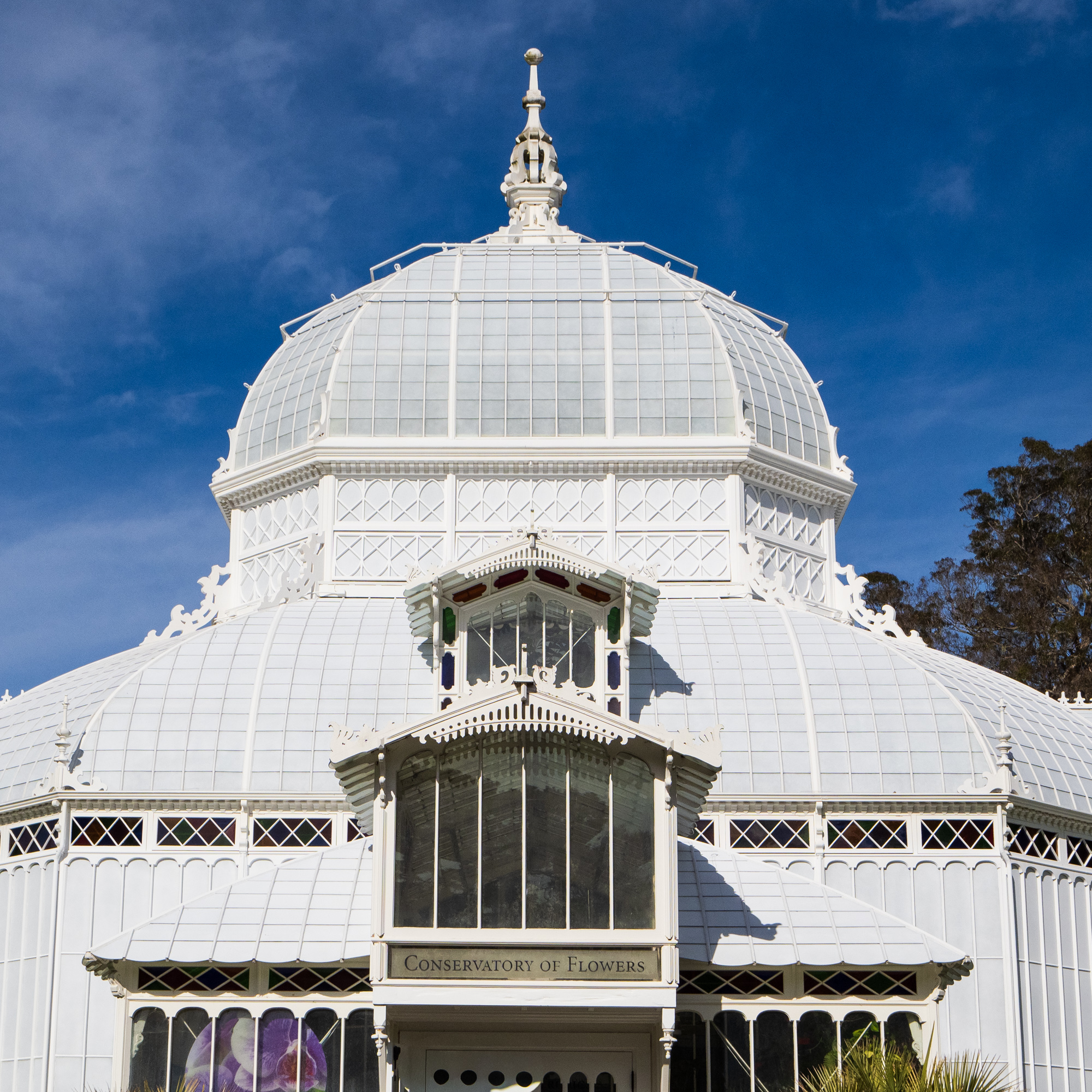
The Conservatory’s white wood-and-glass structure rises above the flowerbeds along the route. Opened in 1879, it began with conservatories ordered by James Lick for his Santa Clara estate. After his death, San Francisco benefactors purchased and donated the structures for the park. Their design is generally believed to have been inspired by London’s Kew Gardens, although the precise origins remain uncertain.
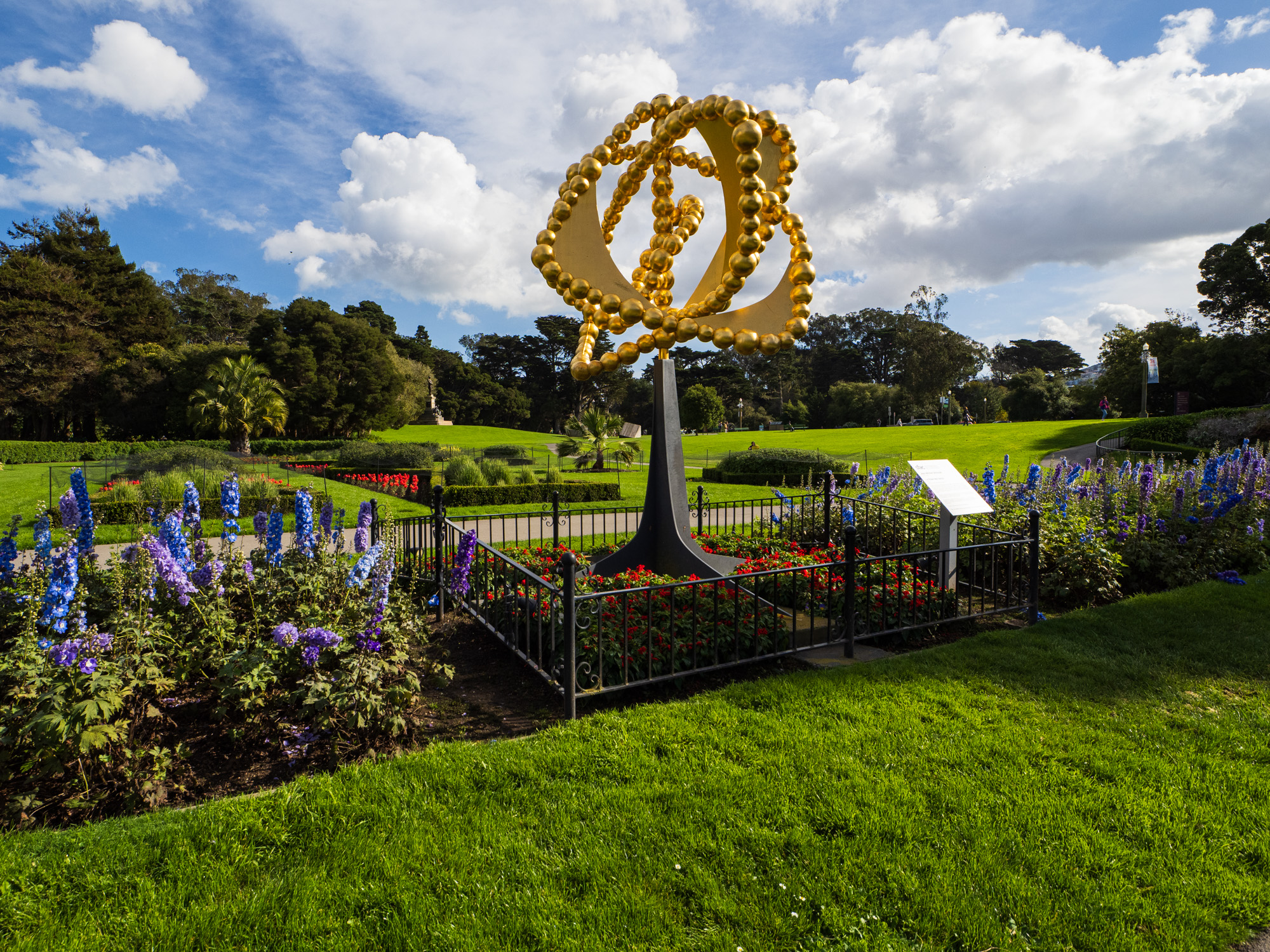
In front stands La Rose des Vents by French artist Jean-Michel Othoniel. Its gold-leafed forms catch the light above the garden, a kinetic sculpture inspired by a compass rose. It is a separate work in the city’s public art collection.
Along the Way
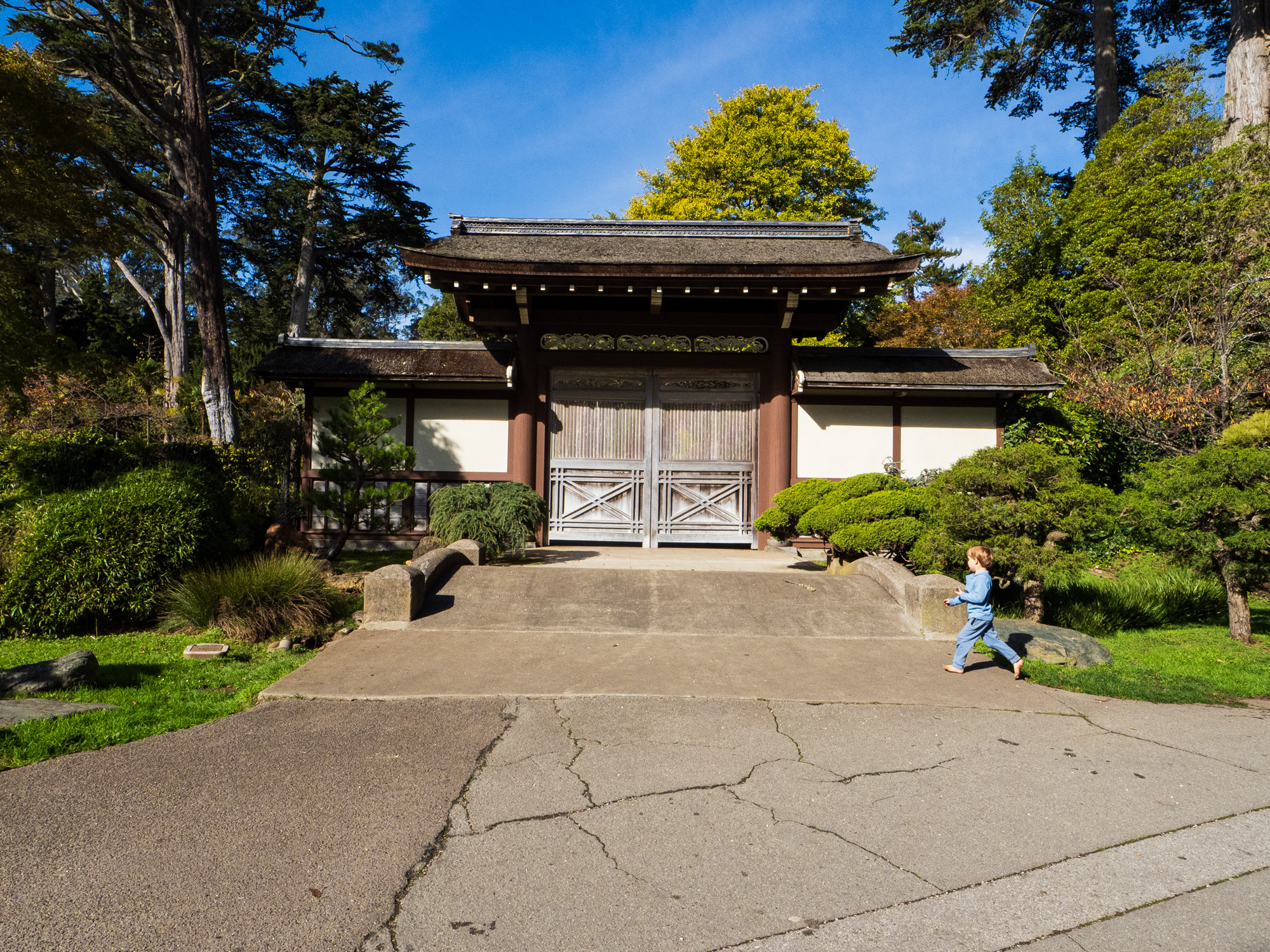
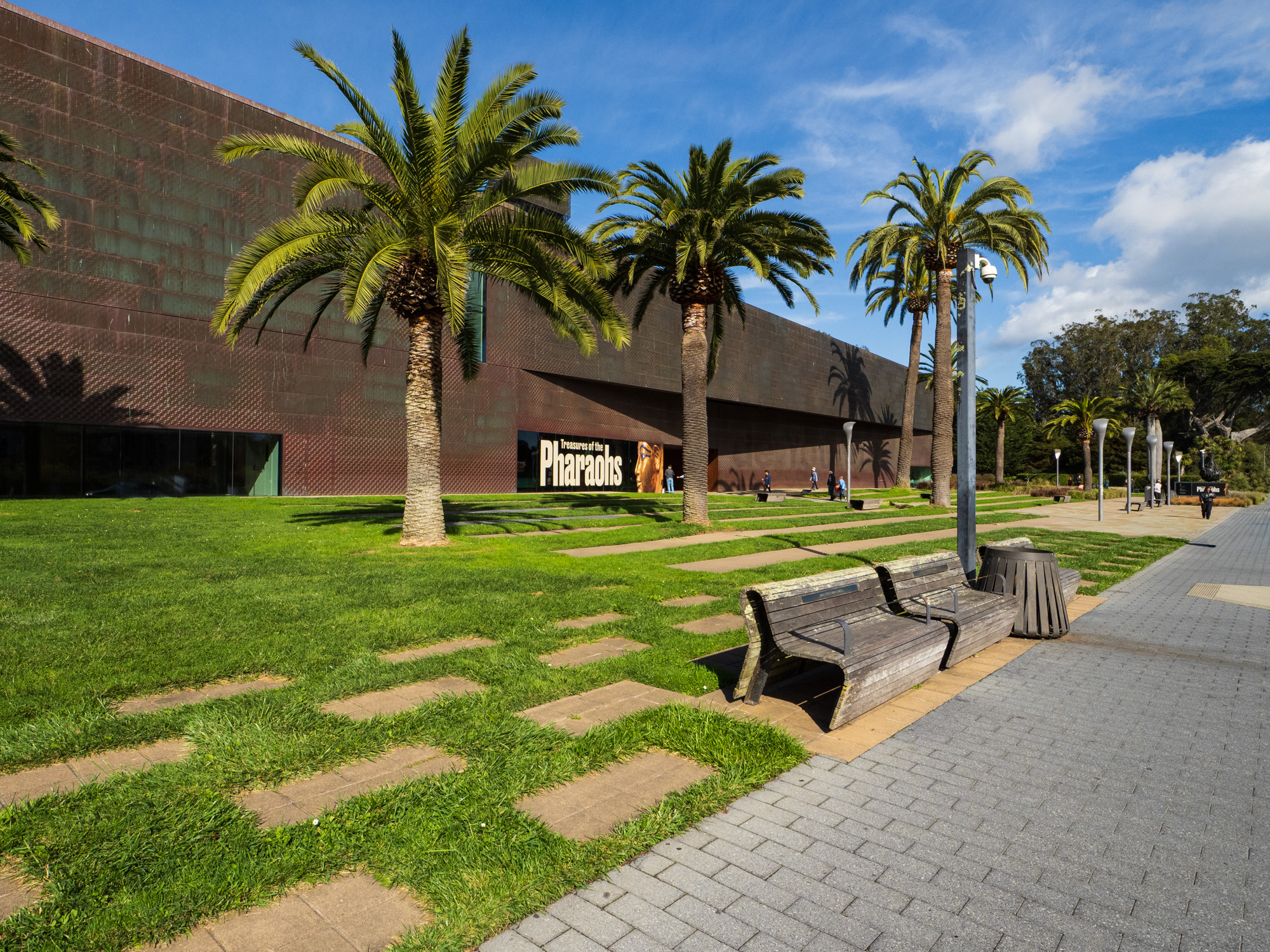
The Japanese Tea Garden’s gate and the de Young Museum brought very different architectural styles into the walk, from traditional woodwork to the museum’s contemporary exterior.
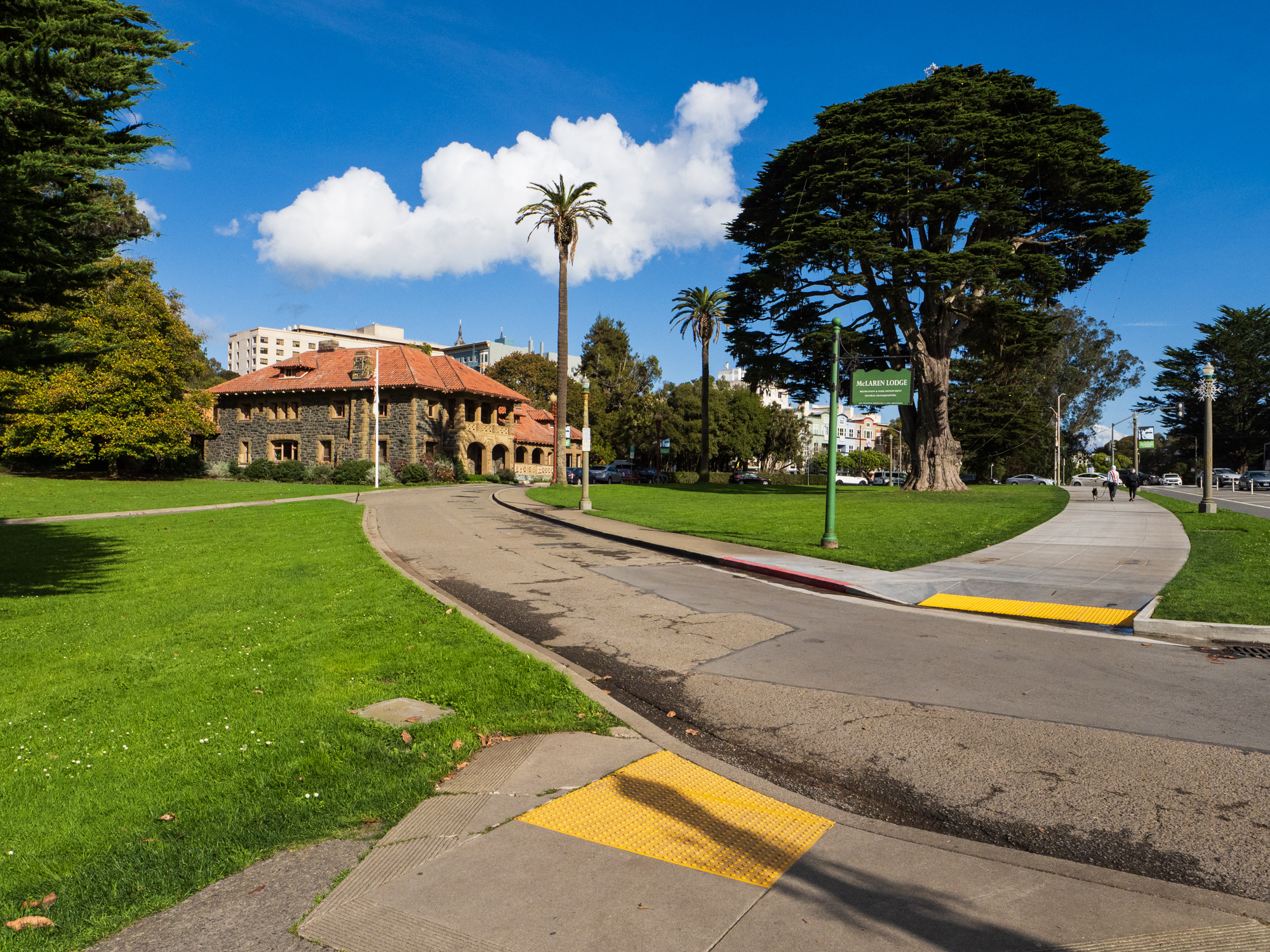
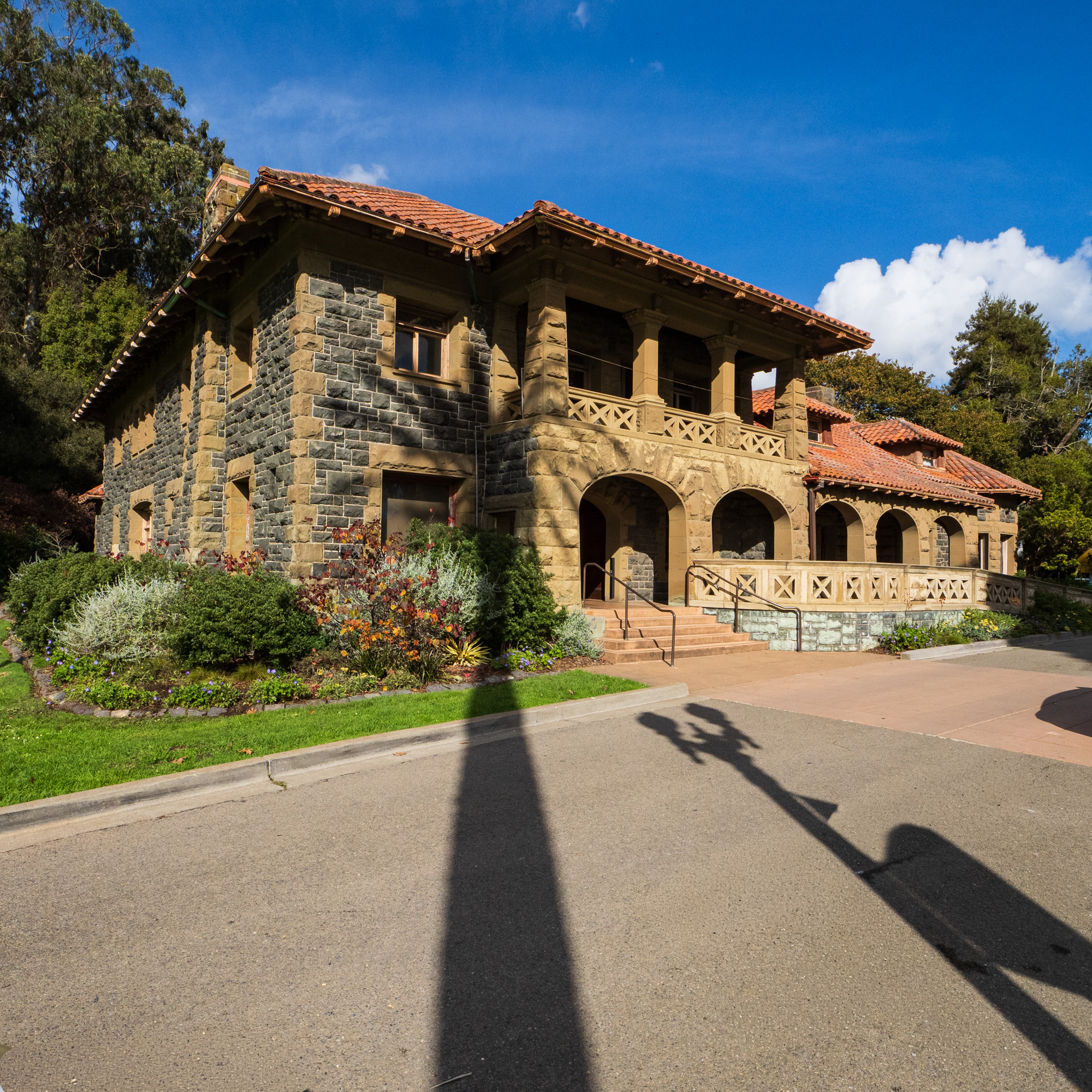
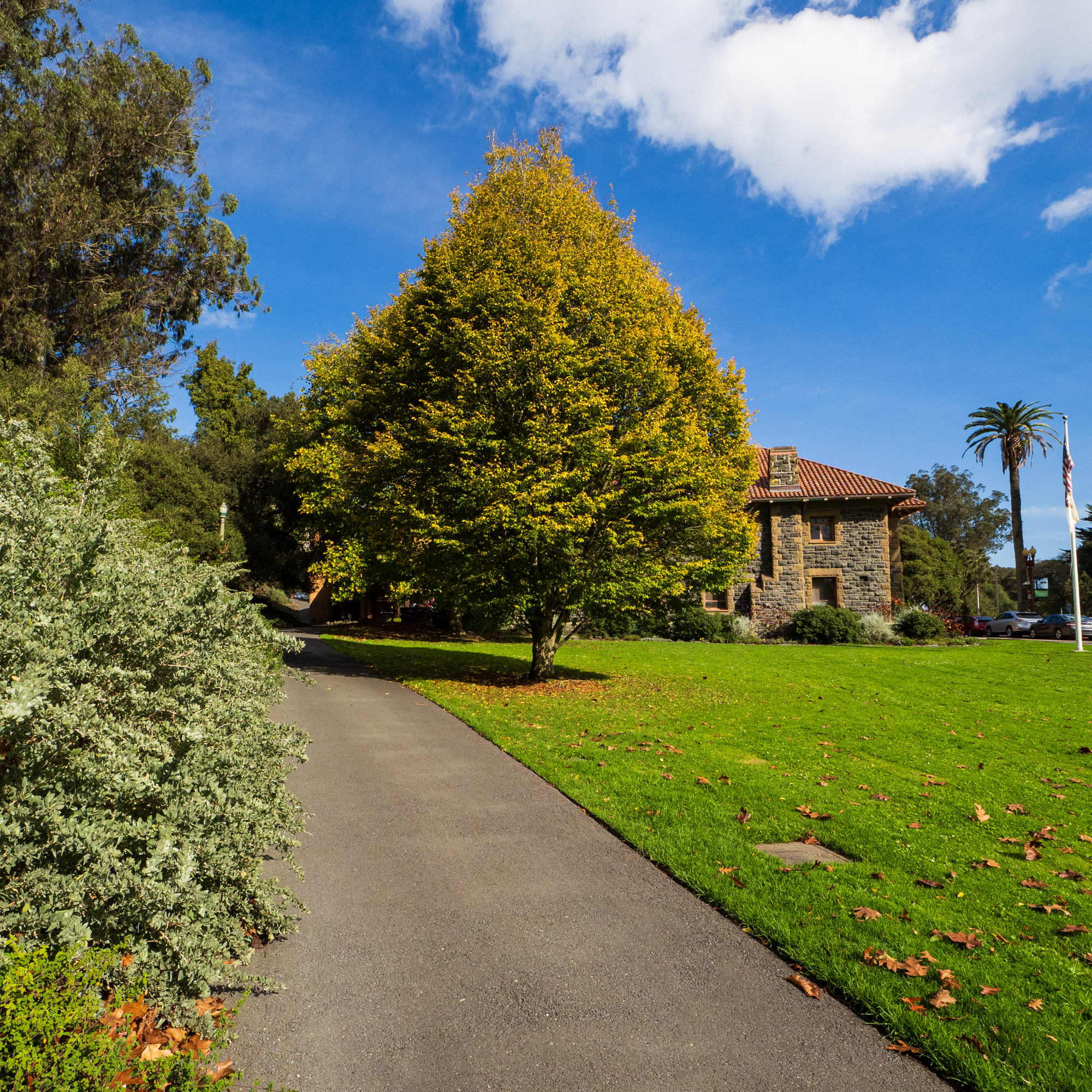
Near the park’s eastern entrance, McLaren Lodge’s heavy stone walls and arched openings give it a substantial presence among the trees. Designed by architect Edward R. Swain and completed in 1896, it served as both park offices and the home of superintendent John McLaren, who lived here until his death in 1943. Its basalt masonry and sandstone detailing connect the building to the park’s nineteenth-century beginnings.
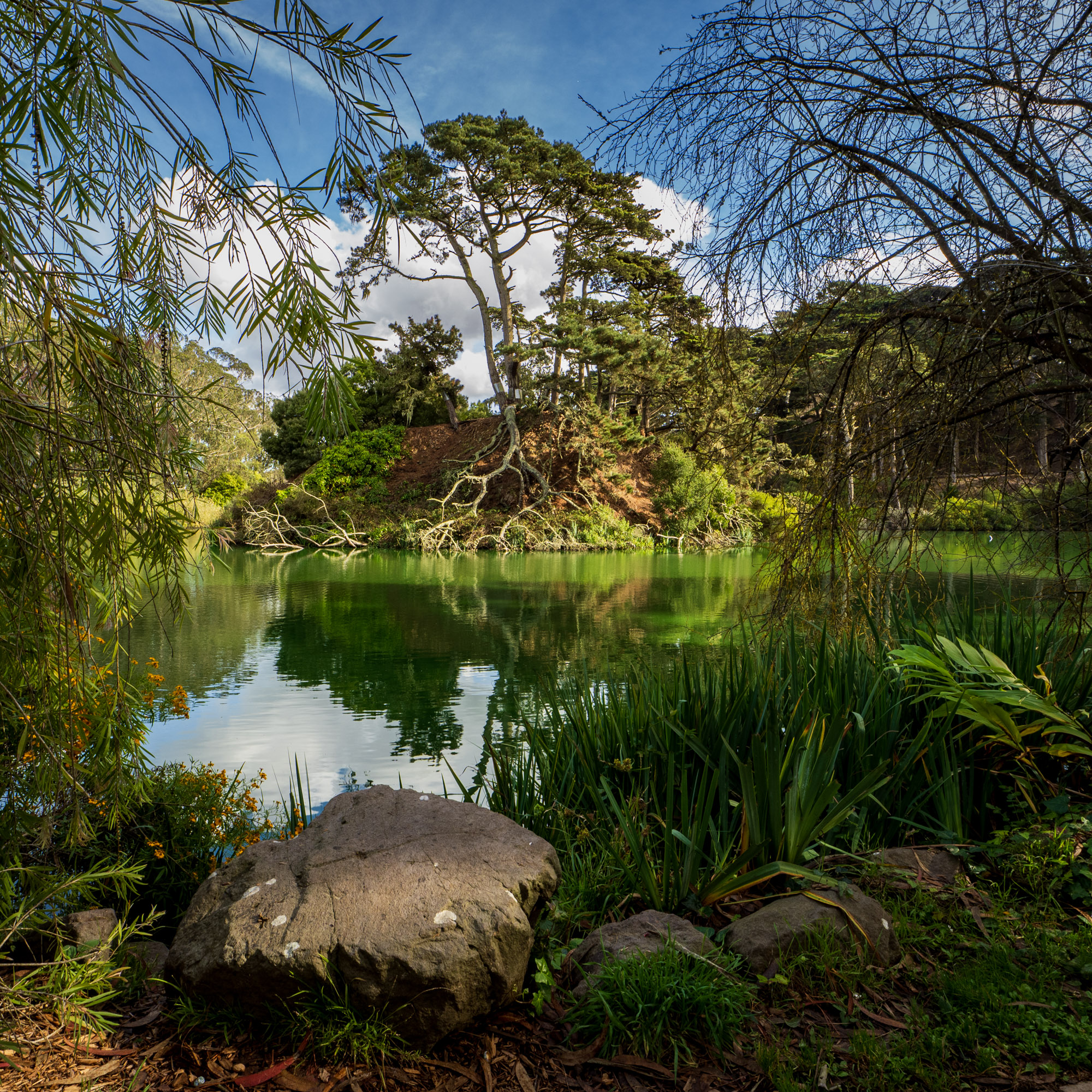
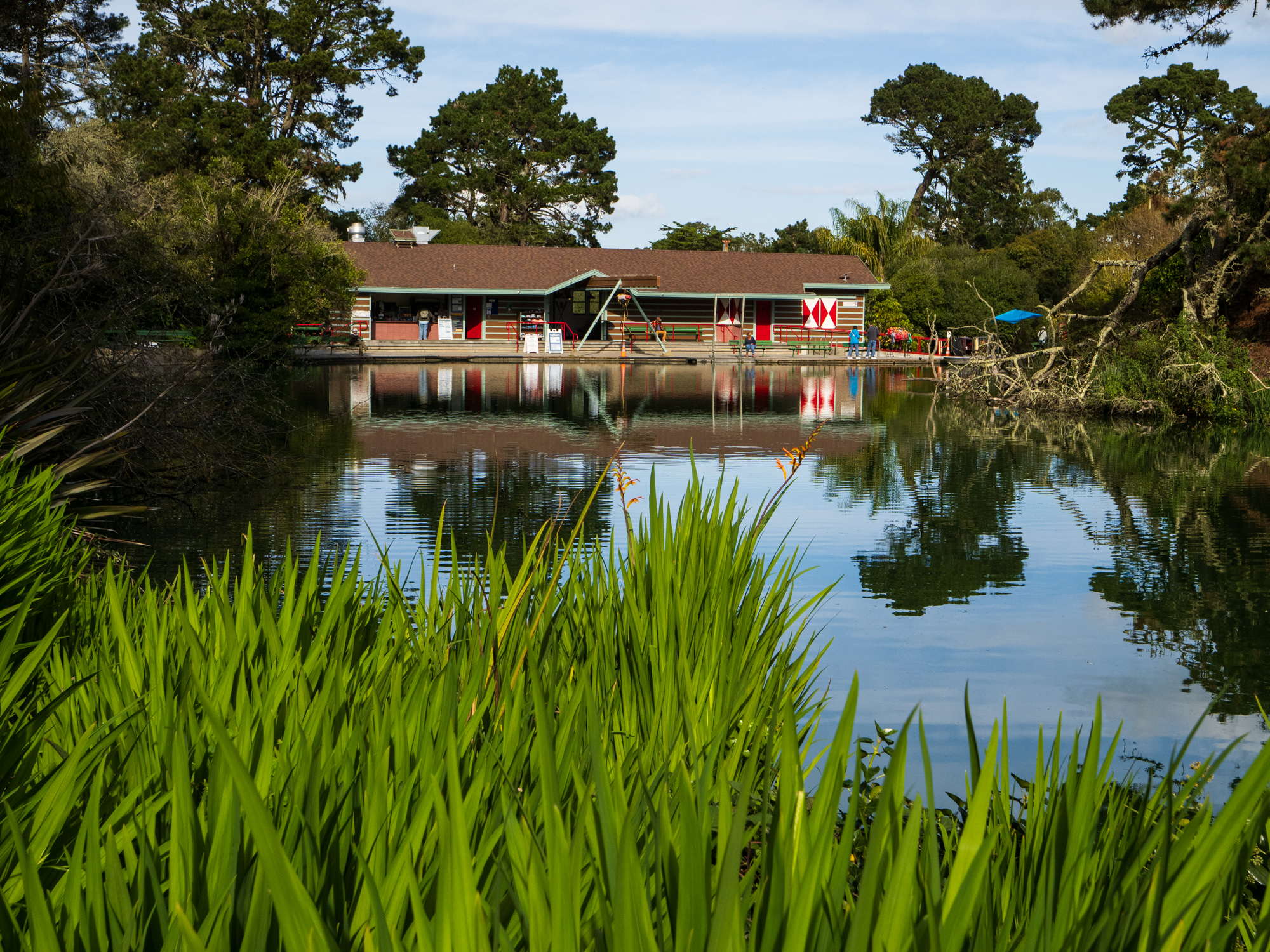
At Blue Heron Lake, formerly Stow Lake, the boathouse sits low along the north shore, its waterfront facade reflected in the water. The present building dates from the 1940s and replaced the original boathouse built in 1893, the year the lake opened. Rowboats and pedal boats continue a tradition of leisure boating that has been part of this landscape for more than a century.
Sources
San Francisco Recreation and Parks: park history
San Francisco Recreation and Parks: JFK Promenade
Big Art Loop: about the project and temporary installations
Gardens of Golden Gate Park: Conservatory history
San Francisco Arts Commission: La Rose des Vents
San Francisco Planning: McLaren Lodge landmark report
San Francisco Recreation and Parks: McLaren Lodge
San Francisco Recreation and Parks: Blue Heron Lake and boathouse
Photographs © David C. Hill